Judge fines farmer €5k for unregistered herd
Judge James McNulty said farmer Anthony Dineen’s breaches of the disease of animals act potentially had “catastrophic” consequences not only for neighbouring farms but the national herd.
He fined Dineen, aged 46, a total of €5,000 and imposed a three-month jail sentence, suspended for two years.
The farmer lodged a bank draft for the fines as part of the condition of the prison sentence being suspended.
The judge said a monetary penalty, in a charge of failing to have animals properly identified and recorded, would be inappropriate given the seriousness of the nature of the offence against the whole community, not just the farm sector.
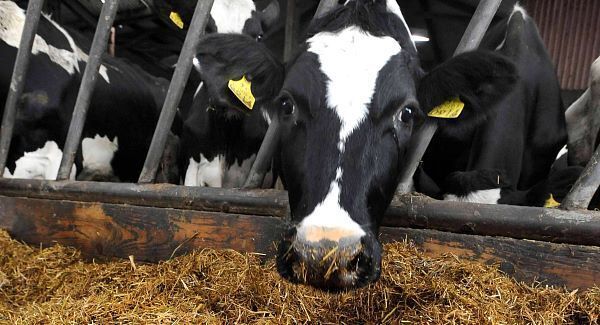
The animals were found untagged by Department of Agriculture inspectors after being alerted by a veterinary inspector conducting a regular TB test on Dineen’s farm near Dunmanway.
Pleas on six sample charges out of a total of 114 were accepted at Bandon District Court by Judge McNulty.
State solicitor for West Cork Malachy Boohig said the case, dating back to 2003, was one of the biggest files he had dealt with during his 26 years’ assignment in the region.
He said matters in the case were “stayed” due to High Court proceedings, taken by Dineen, which only recently led to an amicable compromise.
Brian Flaherty, a senior veterinary surgeon with the department, said that Dineen was unco-operative and, “contrary, for want of a better word”.
He said a veterinary surgeon, carrying out a TB test in Sept 2003, saw a group of about 60 animals untagged. “She had reasonable cause to suspect he [Dineen] had not identified his cattle in compliance with the legislation and had not presented all the animals for inspection,” said Mr Flaherty.
In a follow-up inspection by a department team on Jan 21, 2004, veterinary surgeons arrived at the farm at Inchafune where Dineen’s now late father also had a herd book.
He said, in certain cases, the dam of the animals did not match the identification tags on some animals.
During the inspection, Mr Flaherty said a group of approximately one-year-old animals were found in a shed. The cattle did not have ID tags in their ears, he said, adding that farmers have a legal obligation to present all animals for TB testing.
He said a search warrant was obtained and executed for a visit to the farm on Feb 10, 2004 to find further evidence to back up the department’s case.
Answering Mr Boohig, the superintending inspector, Mr Flaherty said, in a nutshell, Dineen’s registration records “were all over the place”.
Furthermore, inspectors discovered animals had been moved to Dineen’s holding between September and January during a time of movement restrictions on the farm, and also animals had been moved without undergoing blood tests.
Solicitor Macaire Adams said Dineen was unco-operative with the department team as it arrived the day after a co-worker on the farm had died.
Mr Flaherty, however, advised the court the levels of co-operation did not improve during further farm visits.
Ms Adams said Dineen had taken over a small holding on the family farm at 21 before finally taking over his father’s herd.
She said that some of the difficulties with the registration were in place before Dineen took control.
She said Dineen’s problem in not tagging some calves stemmed from the fact that their dams had not been properly registered. “It was a problem that was self-perpetuating,” she said.
“He should have contacted the department but he tried to fix it himself.
Ms Adams said it was “sheer panic, being out of his depth” that Dineen did not co-operate with the authorities.
But the judge said: “I’m sure he is aware of his responsibilities to his friends and neighbours who are farmers and the nation at large. Department officers have to ensure standards are maintained and precautions taken.”
Ms Adams sought leniency for Dineen but Judge McNulty said: “Not possible.”
He said the risks and consequences could have been catastrophic.
Dineen was not being punished for being uncooperative, said the judge, adding that the farmer could not claim that having 48 untagged animals was an oversight or an omission.
The sample charges, for breaches of TB regulations under the diseases of animals act, included registering a calf with false particulars, having animals with no ear tags attached, failing to present animals for testing, moving animals into a restricted holding and movement of animals which had not passed a blood test.