Up to €3.3m to be spent on referendum info packs
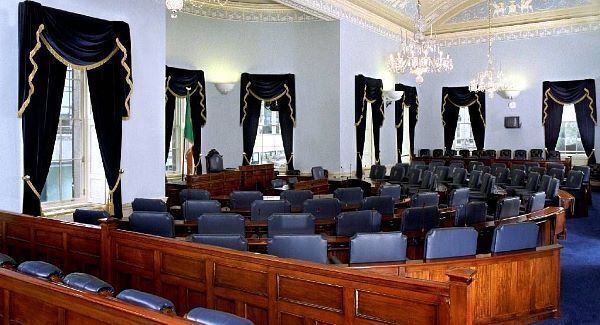
The Referendum Commission is budgeted to spend up to €3.3m of taxpayers’ money sending information packages about the proposed shut-down of the Seanad to some 2m homes ahead of the Oct 4 national poll.
The Government has come under fire in the past for using public funds to push its own agenda in referendum campaigns.
Commission chairwoman, Ms Justice Elizabeth Dunne, welcomed the fact that the impartial watchdog body would have the major role in informing voters.
“The existence of other material can be confusing, so there is no doubt that as a commission we are happy to be the parties who are presenting an independent guide. That’s our role, that’s our function,” she said at the commission’s launch for the referendum.
Ministers refused to apologise for the wrongful use of over €1m in public money in the information campaign for the children’s referendum last November.
The Supreme Court ruled the Government “had acted wrongfully in expending or arranging to expend public monies on the website, booklet, and advertisement in relation to the referendum… in a manner that was not fair, equal or impartial”.
It found elements of the website and booklet were not in line with the McKenna judgment, under which taxpayers’ money cannot be used to advocate one side.
Ms Dunne expressed concern that the issue of Seanad abolition had dominated the debate so far to the exclusion of the twin poll on creating a new Court of Appeal.
The information pack contains the key facts about what would happen if the Seanad is abolished. One of the most contentious changes would mean that it would take slightly fewer Oireachtas members to remove a judge or senior public figure such as the Comptroller and Auditor General from office.
At present, a simple majority in both houses is needed, meaning 83 in the Dáil and 31 in the Seanad — a total of 114.
If the upper house is abolished, a two thirds Dáil majority would be needed, meaning 111 votes would be needed, dropping to 106 after the Dáil is slightly reduced at the next general election.
Some 40 changes to the Constitution would be needed if the referendum is passed, but most would involve the removal of the chamber’s name from passages.
Ms Dunne said the commission had taken the unusual step of using focus groups to prepare its information campaign.

CONNECT WITH US TODAY



Be the first to know the latest news and updates