Mother leads campaign to prevent further cases of filicide
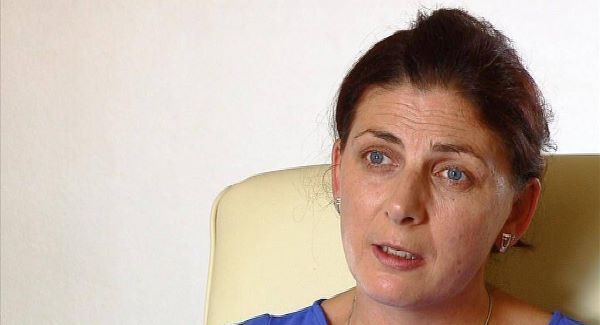
Una Butler from Ballycotton, Co Cork, whose husband, John, killed himself and their daughters Zoe, 6, and Ella, 2, in Nov 2010, wants to save other families from such a horrific experience.
She says the belief her two little girls are with her in spirit keeps her going.
“Zoe and Ella are with me all the time. Their energies are around me all the time and I am living my life for them,” she said yesterday.
Ms Butler, who has called for research into the link between mental health problems and filicide, has found that since 2000 there have been 27 cases of filicide in Ireland, with 38 children killed by one of their parents.
Ms Butler is campaigning to ensure the welfare of children is part of the Mental Health Act. She also wants partners to be involved in the treatment of an individual with mental health difficulties. Ms Butler said people like her would know more about the mental health of their partner. “It’s part of what keeps me going. I am trying to prevent further cases from happening.”
Her husband, a construction worker originally from Cobh, Co Cork, had lost his job and was being treated for depression.
The HSE has said a review of the care afforded to the late Mr Butler was almost completed and said it would be in contact with Ms Butler to discuss the findings.
Ms Butler told RTÉ’s Miriam O’Callaghan she always hoped her husband would revert to the man she once knew — a good person with a good heart.
However, she cannot forgive him for what he did and he would not expect her to. “It was his mental illness, but it was still John who did it; so that’s the reason I can’t forgive him. He would not expect me to, the John I knew.”
Ms Butler recalled seeing a tear run down a garda’s face when she came home to find her husband had killed their children before killing himself.
She found her husband had strangled Zoe and then suffocated Ella but the children were not harmed in any other way. A pathologist had said the children had died instantly.
She said her children were buried in Cloyne and her husband was buried in Cobh. She thought her husband would have preferred to be buried separately.
“If they were altogether it would have made things a lot harder for me visiting the grave,” she said.
Chief executive of Shine, John Saunders, said the voluntary organisation that supports people affected by mental ill health had been calling for years for partners and family members to be actively involved in the whole mental health treatment process.
Mr Saunders said Shine wanted the HSE to focus, not just on the individual, but on the immediate carer who had an awful lot to offer. He said the Vision for Change, the national policy on mental health clearly stated that families should be involved. “In many parts of the country that is happening but it is not happening consistently across all mental care services,” he said.