Points hike for dangerous driving
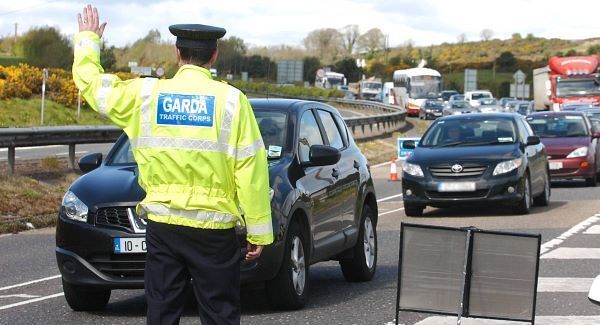
Penalty points for the most dangerous motoring offences — speeding, mobile phone use, and non-wearing of seat belts — are set to increase under legislation being introduced by the Government.

Points hike for dangerous driving

A new Road Traffic Bill, announced yesterday by Transport Minister Leo Varadkar, will also oblige all motorists who have just passed their driving test to display an ‘N’ plate on their vehicle for a period of two years to distinguish them as a novice driver.

Such motorists will also face disqualification if they accumulate six penalty points within a three-year period.


The legislation will give gardaí the powers to carry out roadside impairment testing for drug driving which can be used in evidence in court, while it will also permit the taking of blood samples from unconscious drivers involved in a collision.

Serious offences including speeding, mobile phone use and the non-wearing of seat belts will attract three points on payment of a fine, and five points upon conviction in court under the new legislation. Previously, such offences attracted two and four points respectively.

The non-display of a NCT certificate, which currently results in a court appearance, will make a motorist liable for two penalty points upon the payment of a fine.

Mr Varadkar said the introduction of the new graduated driver licence system, including the requirement of new licence holders to display ‘N’ plates, was effectively putting such inexperienced motorists “on probation”.

Learner drivers will also be required to produce a log book indicating that they have undertaken a minimum number of accompanied driving hours in addition to the need to have taken 12 formal lessons with an approved instructor.

One of the more controversial parts of the new legislation is the section which will allow a blood sample to be taken from a motorist who is incapacitated in a collision.

However, it stipulates that permission must be obtained from the treating doctor before the specimen can be taken, and the results of the analysis will only be revealed when the motorist has given permission.

Mr Varadkar expressed concern that the number of fatalities in the first six months of the year has exceeded that of the corresponding period in the previous two years. A total of 91 people were killed on Irish roads to date this year — two more than during the same period in 2012.

Addressing a road safety conference in Dublin, he said it was his aim that Ireland would become the safest country in Europe in relation to road fatalities.

The conference organised by the European Transport Safety Council, heard that Ireland is currently ranked 5th in reducing road deaths since 2001.

Mr Varadkar expressed confidence at current Garda enforcement levels, despite recent figures which showed the size of the Garda Traffic Corps had fallen from a peak of more than 1,100 in 2008 to just 846 gardaí at present — a fall of 23%.

Meanwhile, gardaí have warned motorists to take particular care when driving on Fridays. Research shows it is the most dangerous day of the week on Irish roads.

Nearly a quarter of all fatalities so far in 2013 occurred on a Friday.

More in this section

Lunchtime News

Newsletter

Get a lunch briefing straight to your inbox at noon daily. Also be the first to know with our occasional Breaking News emails.

Cookie Policy Privacy Policy Brand Safety FAQ Help Contact Us Terms and Conditions

© Examiner Echo Group Limited