Judges warm to Fergus’s frozen frog thesis
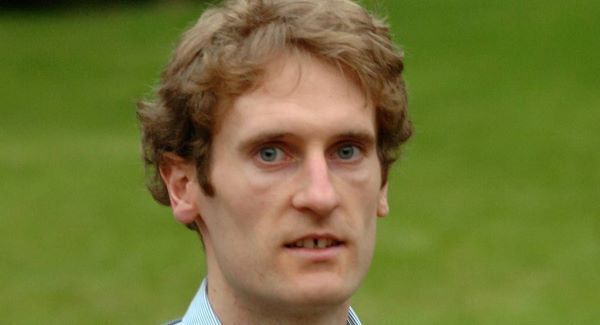
Fergus McAuliffe won the top prize at the Famelab science communication competition in Cheltenham. The event brought together top science communicators from 23 countries, and he was Ireland’s first representative in the competition run by the British Council and US space agency Nasa.
With just three minutes to explain a topic without slides, Fergus, from Farran, Co Cork, first explained the context in which Canadian wood frogs evolved to let their organs survive freezing winters. He then described the freeze-thaw process in which glucose combines with water to keep cells in the frogs’ bodies alive, while water that escapes from the cells freezes around them.
The judges were also impressed with his response to questions, particularly on a how better understanding of the process could have implications for keeping human organs donated for transplant viable for longer.
“I’m delighted with how the competition worked out,” he sad. “The standard was so high in the semi-final and even higher in the final, the judges’ decision must have been very difficult.”
He beat fellow postgraduate researchers at University College Cork to win its annual Science for All competition in March, leading him to the national competition a month later.
His doctoral research at UCC’s school of biological, earth, and environmental sciences looks at using plants to deal with waste water from Irish homes using willow trees. The head of the school, John O’Halloran, said he is an outstanding role model for those involved in science communication.
CONNECT WITH US TODAY



Be the first to know the latest news and updates