Alice Taylor warns minister ‘hands off rural funds’
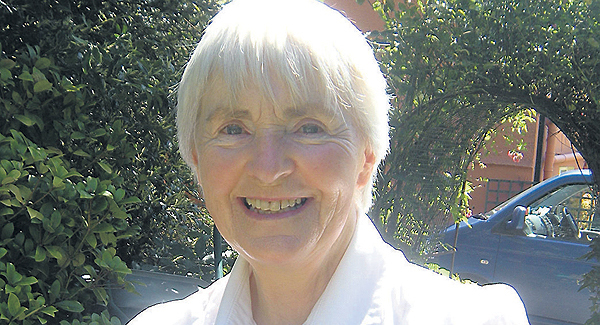
In a letter to the Irish Examiner Ms Taylor, who wrote the popular memoir To School Through The Fields, said funds to the West Cork Development Partnership had been “drastically cut back” and Mr Hogan’s department was “aiming to completely take over” the management of funding streams available from Europe.
She said funding from Europe had until now been locally managed and had succeeded in boosting the food industry in the area and in helping with the development of the Rossmore Theatre in West Cork.
“Phil Hogan wants to get his hands on this money that up to now has gone directly to where it brought light and hope into rural communities,” Ms Taylor said, claiming that in future funding could be redirected into “already clogged-up, congested, inefficient government departments”.
The next tranche of European Leader Programme funding is not due until 2015. Both it and money provided under the Rural Development Programme are given to the Department of Agriculture and then to the Department of the Environment as the managing authority. However, it is administered at local level by groups such as the West Cork Development Partnership. Its rural development manager, Ivan McCutcheon, said changes to the management of that funding in future, as outlined in the Government’s Putting People First report of last October, would mean placing responsibility with local authorities and local groups finding it more difficult to access funding.
“We are campaigning against it,” he said, adding a report by the Irish Local Development Network published last week showed there were alternatives to the Government’s plan.
He said the proposed changes would mean the provision of funding would not be based around local needs, while at present a transparent system of checks and balances were in place to ensure money was spent in the correct manner.
Alice Taylor said the plans would lead to projects getting bogged down in bureaucracy. “If these things are speeded through, it is to the detriment of rural Ireland generally,” she said.