LEAVING CERT: Ode to joy as Plath makes a return for candidates
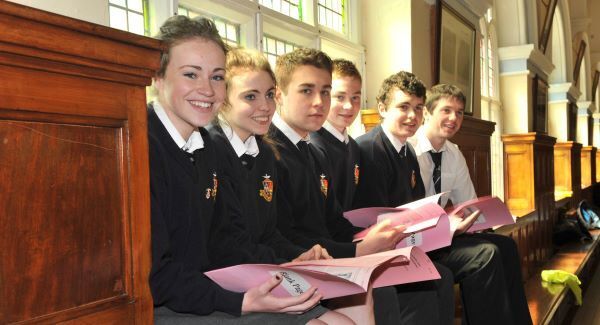
The appearance of poet Sylvia Plath on Leaving Certificate English Paper 2 will have brought joy to a huge proportion of the 35,000 higher-level students yesterday afternoon.

LEAVING CERT: Ode to joy as Plath makes a return for candidates

While not much consolation to those disappointed by her unexpected absence last year, Association of Secondary Teachers Ireland (Asti) subject representative Michael Doherty said what was better was that it was a nice question on her work. It asked about imagery and intense emotion, themes of her poetry that he felt most students should have covered well.

It was part of what he considered a very positive second exam for higher-level candidates, opening with a single text section in which most of those who focused on Macbeth should have had no complaints on a question about his character, or might have done even better with another about Shakespeare’s imagery in the play if they didn’t gloss over it. He felt the theme of values and attitudes examined on the comparative studies should have been well-prepared for by most, and even an alternative, asking to discuss social class, while more onerous, was an area many would have covered.

Mr Doherty was happy with the level of the unseen poem, Derek Walcott’s The Fist, and felt those who did not opt for Plath may also have liked questions on the poetry of Derek Mahon and Elizabeth Bishop.

Teachers’ Union of Ireland (TUI) representative Alan Thompson agreed with the positive sentiments around higher-level English Paper 2, saying it rewarded those who prepared well but would also have found out students who did not.

While the phrasing of the Macbeth question on character took a bit of working out, it was one students should have been able to answer well, and he said the one about imagery was much more direct.

He considered the comparative study questions on cultural context and theme, both well-tipped to be examined, broad enough to allow students show off their knowledge of and engagement with the works.

Mr Thompson said the selection of poets was much wider than last year and the questions were well judged.

He said the ordinary-level exam was well-structured and enabled candidates showcase their knowledge, with great consistency in the single text questions.

Mr Thompson said the comparative study section was fair, testing knowledge without catching students out, and that the poetry questions were imaginative.

The ordinary level Paper 2, according to Mr Doherty, should draw few complaints. He said the plot and key relationships questions on the single text were themes most should have covered well, and the comparative study questions were nicely broken into three parts.

While the absence of a short introduction to the unseen poem may have made it more difficult, he felt the questions on Bishop’s The Fish and the Shakespearean sonnet were well-pitched.

Asti’s Eamon Dennehy said yesterday’s higher-level engineering exam put things in familiar contexts for pupils and enthusiastic students should have done well. He said a question on the Stirling engine, which was this year’s special topic subject, was reasonable but testing. He felt a question on the effects of heating and cooling a screwdriver was a nice example of how theories were applied to practical situations, and there was a nice choice within a question on welding.

Mr Dennehy said the level of choice for ordinary-level candidates made their’s a fair exam and any student familiar with most topics on the course had a chance to do well.

TUI subject representative Dan Keane was pleased with both the higher- and ordinary-level exams, saying they featured no surprises. He felt that any student who had prepared well should have had no difficulty with either paper.

More in this section

Lunchtime News

Newsletter

Keep up with stories of the day with our lunchtime news wrap and important breaking news alerts.

Cookie Policy Privacy Policy Brand Safety FAQ Help Contact Us Terms and Conditions

© Examiner Echo Group Limited