Evidence battle to blame for trial delay of accused
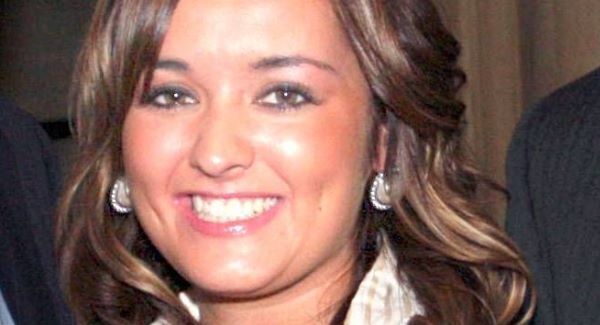
As Natasha, now 26, continues to struggle with even the most basic functions, a battle over DNA evidence taken from the baseball bat allegedly used to batter her head in is largely to blame for the trial being delayed.
One of the defendants, Heriberto Viramontes, who is charged with first degree attempted murder, fought to exclude DNA evidence from the bat being used in the trial, a review of the court documents reveals
And when that failed, the now 34-year-old peppered the court with requests for reports on DNA analysis and access to the state of Illinois database, moves described by prosecutors as “unduly burdensome”, by the defence his “constitutional right”. Those motions have still to be ruled on.
Viramontes and co-accused Marcy Cruz facing the same 25 charges ranging from attempted murder to credit card misuse, and have been in jail in lieu of $1m (€77,000) bail each since their arrest shortly after the Apr 2010 attack on Natasha and her friend, Stacy Jurich.
There have been dozen of court hearings, on motions, discovery and more recently on the DNA evidence, the review shows.
The next hearing is today at the Cook County Criminal Court building.
After the judge ruled the DNA bat evidence could can be used, Viramontes’s public defence legal team asked for more information on the DNA evidence that could delay the start of any trial until next year.
The DNA evidence from the bat is actually relatively weak — Viramontes could not be definitively conn-ected to the bat but could not be excluded.
Prosecutors argued, and the court agreed, that “in light of all of the additional evidence connecting the defendant to the armed robbery itself, evidence that the defendant cannot be excluded from the profiles observed from the bat is probative”.
However, Viramontes now wants a full report on the overall reliability of DNA evidence and access to the Illinois State Forensic Center’s database, to compare samples taken.
His defence argues he has a constitutional right to the information, to confront the evidence against him, according to the legal files.
But prosecutors hit back and said his request is “unduly burdensome” and not material or relevant. Essentially, they claim there are plenty of reports already available Viramontes can source to challenge the evidence in court.
Natasha, from Armagh and a graduate of Univer-sity College Dublin, was in Chicago as an exchange student when the attack happened.
She was in a coma for weeks, and continues to have serious medical problems. Friends in Chicago say she still cannot speak beyond mumbles, nor can she walk or take care of herself.
Family friend Joe McShane recently said: “She’s made slight improvements but they’re so small nobody would notice. The bottom line, the gal, her life is totally destroyed.”
She and her friend were attacked from behind and robbed.
Minutes after, a police officer spotted a van near the scene, moving at speed. He noted the license plate number.
Then, 15 minutes after the two women were beaten, one of the stolen credit cards was used at a nearby garage.
With the plate numbers, video surveillance and a fingerprint on a bag found at the garage, police were quickly able to track down the van and Marcy Cruz.
She allowed the police to search the van, and the baseball bat at the centre of the drawn-out evidence row was found in the back.
Meanwhile, the court documents reveal Marcy Cruz, now 28, has filed far fewer motions. They do show that there was a question mark over whether she was fit to stand trial because of her mental state.
It was concluded she is fit to understand the charges and the nature of the legal proceedings. The documents show she is on anti-depressants, mood stabilisers, and anti-psychotic drugs.

CONNECT WITH US TODAY



Be the first to know the latest news and updates