Ministers hoping for radical EU fisheries overhaul
For years, up to half of fish caught were dumped back into the sea because they were too small or of a species they were not allowed to catch.
Fisheries Minister Simon Coveney, who chaired the meeting, said during a break in negotiations that every country wanted the ban on discards but in such a way that it worked.
“It needs to be workable in a way that allows the industry to adapt to a fundamental new reality. There are many fisheries discarding 40% to 50% of what is being caught, and we are talking of moving to a new way of fishing,” he said.
The ideas on the table were to land everything fishermen caught, with some limited exceptions. There was much discussion on what those exceptions should be, he said.
There was also discussion about the timing of an obligation to land whatever was caught and whether it would be phased in or happen overnight.
“Timing may apply differently to different fisheries and different areas.”
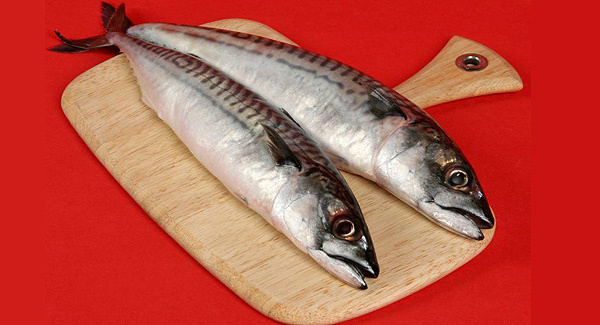
Pelagic fish, such as mackerel, were a relatively clean and easy catch to deal with as discards were mainly juvenile fish. “There would be no need to delay a discard ban in this with very few exceptions as you can deal with this technically,” he said, referring to different net mesh sizes for instance.
However, mixed fisheries are more complex, and there could be seven or eight species of similarly size adult fish that could not be separated technically, and there could be a quota for some and not for others.
They were considering a variety of ways of dealing with this, such as transferring quota between species to accommodate mixed fisheries and a transfer of quota between years.
“We have got down to the technical discussions now,” said Mr Coveney.
As Ireland holds the EU presidency, he and his experts were meeting countries on a one-to-one basis to discuss their myriad issues and the potential solutions.
“All of this is about sustainable fish to maximise sustainable yield within a given period of time so we can deal with the discards,” said Mr Coveney.
Following previous talks under the Danish presidency last year, there was an expectation that a ban on pelagic discards could be introduced next year, while for white fish such as cod and haddock it would be in 2015. Some want the concept of maximum sustainable yield to be applied by 2015 where possible and 2020 at the latest.
The minister was hoping to have reached agreement on these issues overnight. This would then form the council’s or member states’ position and the next step would be to discuss it with the European Parliament.


CONNECT WITH US TODAY



Be the first to know the latest news and updates