EU trio throw up obstacles in debt cut quest
They insist only debt incurred in the future should be eligible for long-term, cheap loans from the EU’s new rescue fund, the ESM.
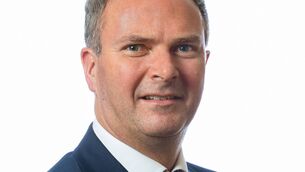
Nations should continue to be responsible for banking problems from their past, according to the German, Dutch, and Finnish finance ministers.
The Government has been lobbying EU leaders to cut a deal that would see the country selling the banks to the ESM and using the money to cut the national debt, which is hurtling towards 120% of GDP.
Tánaiste Eamon Gilmore warned earlier this week of the danger of the EU backsliding on decisions made in June to make the Irish debt more manageable.
EU leaders in June said the link between banks and sovereigns — where rescuing banks endangers the national economy — should be broken. However, the statement from the ministers says this arrangement could only apply in the future.
Up to now all borrowings from the EU funds must go through the state’s books, adding to the national debt even if the money is used to bail out private banks.
EU leaders agreed to change this rule for the ESM but not until the ECB took over responsibility for supervising banks from the national supervisors. It was hoped to launch this system in the new year, but some countries, including the three that met yesterday in Helsinki, want to slow this.
This is bad news for Ireland and Spain. The results of independent stress tests on Spanish banks are due tomorrow, and the government is still hoping to avoid a full bailout.
However, EU sources said the proposals would be very attractive politically and make agreement on the new role of the ESM very easy for countries balking at helping fund what they see as profligate governments.
Economist Guntram Wolff, co-author of a paper on banking union, said those responsible for creating the problem should be responsible for solving it, including investors. In Ireland’s case he accepted that “there was limited scope to impose losses” on bondholders and as a result they could argue this to get funding from the ESM. “But your bank restructuring is done and the costs sit on the government books so the scope to renegotiate for Ireland is limited. The only reason is to have Ireland as a success story but I do not think that is likely”, he said, adding that they had advised ministers that legacy debt needed to be dealt with.
The Government was reluctant to comment on the German, Dutch, and Finnish position, saying technical talks remained ongoing on how to improve the sustainability of the Irish financial system in line with the June summit mandate.

CONNECT WITH US TODAY



Be the first to know the latest news and updates