FF plans to cut debts of €2.2m in fundraising blitz
A detailed account of the party’s finances is contained in a new magazine for members, the first edition of which has just been published.
It represents something of a break with tradition, as political parties, including Fianna Fáil, have traditionally been coy about their finances.
“Fianna Fáil is heavily in debt,” the magazine, entitled Cuisle, states. “The party is currently operating a deficit of approximately €2.2m.”
But the magazine points out that the deficit is “not a new occurrence“, with the party “carrying a large debt since the early 1980s”.
“Today’s debt position is more manageable to where the party found itself not so long ago. The party hit its highest level of debt in 1992 when, adjusted for inflation, the party owed €5.9m.”
That situation led in 1993 to Bertie Ahern, then party treasurer, appointing businessman Des Richardson as a full-time fundraiser to help clear the debt. Some of the donations received during this period later featured in the Mahon Tribunal.
Mr Richardson’s fundraising efforts were helped by the fact that Fianna Fáil was still the dominant party in Ireland at the time and could attract large sums from business interests.
That is no longer the case, given the party’s collapse in this year’s general election and the fact that current leader Micheál Martin has taken a stance against corporate donations.
The magazine says Fianna Fáil will instead concentrate its fundraising efforts on the party’s annual “super draw” — which raises about half a million euro — and national collection, which produces a smaller sum.
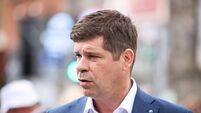
“The party will be almost entirely financed by the national draw and the national collection,” says Fianna Fáil director of finance, David Burke.
“We are moving away from corporate donations entirely. Our focus is on smaller donations from individuals.
“If the draw figures are maintained then it is expected by this time next year the party’s debt will be reduced to circa €1m.
“However we do need to clear the debt and we need to have money in the bank for future elections. We want to build up a fighting fund by the time of the next (local) elections in 2014,” he adds. “If we raised €500,000 in the super draw and €300,000 in the national collection every year, given that we run in five-year cycles, that would equate to €4m over five years. That would allow us to clear our debt and put a campaign fund in place.”
Separate to fundraising, Fianna Fáil, like the other major parties, receives state funding every year, but this money cannot be used for election campaigns and instead goes towards parliamentary work and research.
CONNECT WITH US TODAY



Be the first to know the latest news and updates