Health costs drag on economy, says IMF

THE International Monetary Fund (IMF) has warned Ireland’s health service costs are dragging the economy down and could cause greater debt problems in the coming years.

Health costs drag on economy, says IMF

In a wide-ranging call for cutbacks to slash the country’s mounting financial problems, the economic body insisted the sector is failing to reign in costs.

The IMF said health spending cuts are needed as Ireland may have to make overall reductions of more than €1 billion this year.

And the situation has not been made any easier by the group’s decision to revise downwards the country’s growth forecasts for this year to just 0.5% from 0.9% just four months ago ahead of an upcoming review of the economy’s performance by those behind the bailout.

The figures emerged as Tánaiste Eamon Gilmore said cuts in Government spending and reforms of the public service can be expected within months.

As speculation grew this could mean the Government has to turn to public sector workers for more savings, the Labour leader said he was “determined to ensure” that reforms in the Croke Park deal take place.

Reforms provided for in the agreement should be implemented as soon as possible — by summer if possible.

The process of reviewing expenditure would go on through the summer, but if reforms could be identified and savings made in the short term, then that will be done, he said.

“The Government decided yesterday on a process which involves comprehensive reform of public expenditure.

“That process will continue through the summer, identifying where savings can be made, where expenditure can be reduced and where the budget can be adjusted,” he said.

Each department is looking at its own expenditure programmes to see where reforms can be made, he said.

“If there are reforms that can be proceeded with the intention is that we would do those sooner rather than later.”

Shay Cody of the IMPACT trade union said the Croke Park agreement had already resulted in savings of “hundreds of millions of euro” and the country can’t “cut its way” out of its economic problems.

He said there is a pact with the Government that the unions will co-operate with “and in return they will leave pay as it sits because we’ve taken two pay cuts, very significant ones, and that permanent jobs are secure in the public service”.

Taoiseach Enda Kenny, told the Dáil the country is “constrained” by the EU and IMF bailout deal. “The hand of cards that we’ve been left with is not as good as we would wish, but you have got to play them in the best order in which you decide.”

Sinn Féin leader Gerry Adams said: “You can’t always blame Fianna Fáil for what Fine Gael and Labour are doing”, adding that: “You are now repeating every mistake that they made.”

Mr Gilmore did not think it was inevitable that the Department of Finance would follow the action of the IMF and reduce its forecast.

He believed that throughout the country there was a very real recognition of the economic difficulties.

“More than that, I also think there is a willingness on behalf of people to play their part in bringing about a financial recovery”, he added.

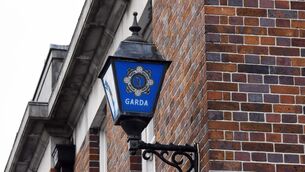
The warning from the Garda Representative Association that cutting the force would result in an increase crime was, he said, understandable in terms of representative bodies making a case for their own members and that it would form part of the discussion and process.

Socialist party MEP Paul Murphy said the IMF’s reduced growth prospects illustrated the destructive impact of the deflationary policies, including cutting spending and increasing tax pursued since the financial collapse in 2008.

More in this section

Lunchtime News

Newsletter

Keep up with stories of the day with our lunchtime news wrap and important breaking news alerts.

Cookie Policy Privacy Policy Brand Safety FAQ Help Contact Us Terms and Conditions

© Examiner Echo Group Limited