Vacuum fails to suck in young voters
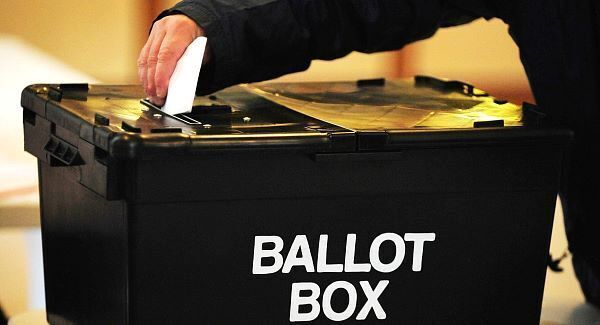
We surveyed fifth and sixth year students at our school to find out.
We asked various questions based on politics and voting. The ages of the surveyed participants were between 16 and 18. The students were generally not well-informed, distrustful of politicians, and angry at the political system.
Almost half the students surveyed (47%) were not eligible to vote. Some 66% of those surveyed said they would vote if they had the chance. However, of those eligible to vote (two 18-year-olds didn’t realise they were eligible) nearly 60% hadn’t registered.
This staggering statistic made us realise that interest in politics seemed to be very low. This was confirmed when we asked those that were eligible, yet who waved the right to get registered, why they had not done so.
The two most common reasons were a lack of interest, and a feeling that their vote wouldn’t make a difference. In order to change these negative opinions, we believe politicians need to take more notice and direct more attention towards youthful and eligible voters for them to realise that every vote matters.
In order to find out how much knowledge the surveyed students have of politics and political issues we gave the names of four high-profile politicians: Brian Cowen, Mary Harney, Mary Hannafin and Micheál Martin and asked them to identify their roles in the most recent government.
The majority knew who Brian Cowen was, yet knowledge of the rest was seriously limited. One student wrote at the end: “I haven’t a clue about any of it.”
While some of this could be blamed on the politicians themselves, or not doing enough to connect to young people, some of the blame must go to the young people. They cannot constantly complain about politicians if they don’t inform themselves about who those politicians are and what they do.
One of the most noticeable findings from our survey was the anger over how the country is run. Politicians were generally viewed negatively. Almost 80% of those survey disagreed with the statement that “politicians are doing their job well.”
The final question on our survey gave students the chance to share any general comments and opinions regarding politics. As expected, the majority of the comments were negative.
One student said: “There’s a bunch of idiots running this country.” Another: “We’re going to hell in a hand cart!”
As part of our survey, we asked the three main political parties for an interview. Labour’s Ciaran Lynch, Fine Gael’s Deirdre Clune and Dan Boyle of the Green Party agreed.
Although they agreed on a few issues, their opinions on youth voting varied.
The first thing we wanted to know was why such a low number of young people vote. Deirdre Clune felt it was because young people “don’t pay taxes” and are therefore “not as invested” in politics.
Ms Clune pointed to social welfare as a reason for high turnout in older voters. “When you’re dependent on the state for welfare, for income, you’re very concerned about your vote.”
Labour’s Ciaran Lynch said it was because young people “don’t feel as connected with politics as people with a house, children and healthcare issues”.
Mr Lynch said there is higher turnout of older voters because they “have a history of voting.” They “vote over and over again” throughout their lives, so it becomes a habit for them.
When asked about the main issues facing young people today, Mr Lynch highlighted emigration. He said young people finishing college this summer “don’t have the same opportunities as they would have had three or four years ago.”
Ciaran Lynch agreed that young voters “don’t feel as connected” with politics as much as the elderly, who “have a history of voting.”
Ms Clune said more young people would vote if they had an issue that they were connected with. She urged young people to “get involved and thinking” especially with the “issues that concern them”.
She also urged people to engage with the issues and not just vote for “celebrity candidates”.
We also asked each of the politicians about the perception of corruption in politics. Dan Boyle was critical of the role played by the media in giving information to the public.
He said their coverage of the economy has been “too negative” and that the media “has not acted very responsibly”. When asked about this, Mr Boyle said the media has a “role to play” in politics. As to the media’s reporting of corruption in Irish politics, Mr Boyle said the media has “not been very responsible.”
Mr Lynch said the political system is in need of “major and radical reform”. He said politics was not, in general, corrupt but said allegations of corruption were centred around “one particular party”.
The Labour TD said this election is the “most important in a generation”. He urged young voters to vote because their futures were depended on the outcome.
Ms Clune said she has “never come across corruption” in her 15 of years of politics. She argued that most politicians are “hard working”, but she conceded that a “small minority was corrupt as in any profession.”
Both Mr Lynch and Mr Boyle were in favour of lowering the voting age — Mr Lynch to 16 for local elections, Mr Boyle to 16 for local elections and 17 for all other elections and referendums.

CONNECT WITH US TODAY



Be the first to know the latest news and updates