Parties propose reform but seeing will be believing
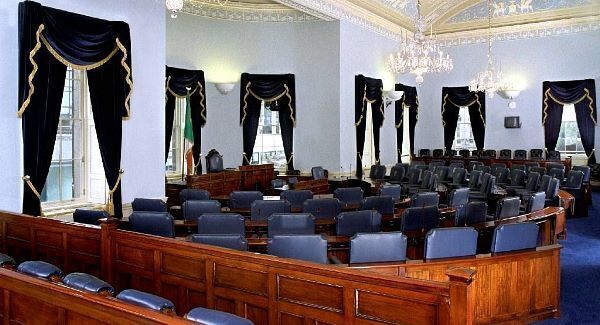
Hence, the three main parties all launched substantive documents on the issue yesterday. There are plenty of sensible proposals, and a few eye-catching ones, contained within. But the key test, as always, will be whether the parties deliver on their promises after the election. If they do, the Seanad, for starters, looks like a goner.
As things stand, Fine Gael and Labour are most likely to form the next government. Both favour the abolition of the Seanad, believing it no longer serves any useful purpose. Because the Seanad is provided for in the Constitution, a referendum would be required to abolish it. Given the current mood, it’s unlikely the public would vote to retain it.
Fianna Fáil are more circumspect on the Seanad’s future. They say they would support its abolition, but only as part of a wider package of reforms that the party is proposing.
But it’s incredibly unlikely that the other parties would agree to Fianna Fáil’s package of reforms. While some of them are basic common sense — such as increasing the accountability of ministers to the Dáil — some are more controversial.
In particular, Fianna Fáil leader Micheál Martin’s proposal that sitting ministers would be freed of the bulk of humdrum Dáil work by having substitutes elected in their place has not gone down well.
“When members of the Oireachtas are appointed to cabinet they would be replaced by an alternate while serving as a minister. The alternate would be on a list published at the time of the election, in a similar way to European Parliamentary elections,” his party’s manifesto proposed.
“This system would allow them to devote significantly more time to their ministerial duties and increase the number of Dáil members participating in all parliamentary duties.”
This is thinking outside the box, but probably too radical for the public and politicians themselves to stomach.
For starters, given that there are 15 cabinet members, it would mean 15 substitutes, hence 15 more salaries that taxpayers would have to fork out for.
Secondly, the ministers themselves would live in a constant state of paranoia about their own re-election prospects if their substitutes are performing too well.
Fianna Fáil also wants to change the way TDs are elected to the Dáil. Fine Gael seems minded to do something similar. At present, there are 166 seats across the 43 constituencies. The public elects all but one of the 166, as the outgoing Ceann Comhairle is automatically returned.
Fianna Fáil is proposing, and Fine Gael is calling for consideration of, a system whereby some TDs are directly elected and some come from a list drawn up by the parties (the level of support a party obtains in an election could determine how many of its list are appointed). The advantage of the list is that it could include, for example, financial or legal experts who could bring a lot to parliament but might not necessarily be good enough at “parish pump politics” to get elected in their own right. The disadvantage, as Labour says, is that you take the choice away from the electorate.
“Our electoral system is far from perfect, but we should not make the mistake of replacing it with something that is even worse,” Labour argues.
But while the parties seem far apart on some issues, they have a lot in common in other areas. All the parties realise, for example, that there has to be greater transparency around political donations, although they differ on how precisely to bring it about. All the parties agree that, following the economic crisis, the Dáil needs to be much more actively engaged in the budgetary process, and there needs to be greater oversight of Government.
The devil is in the detail, but if there is agreement on such general principles, the parties should be able to find a way to introduce substantial reforms. The appetite is there for it. And it might be a way of restoring just a little of the public’s lost faith in politics. But seeing will be believing.

CONNECT WITH US TODAY



Be the first to know the latest news and updates