State ‘faces action over inhumane’ prisons
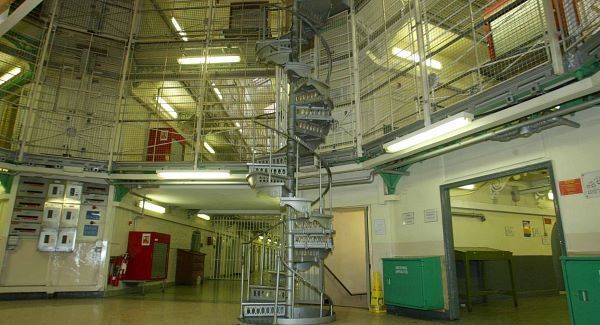
Judge Michael Reilly said the existing practice in Mountjoy, Cork and Limerick prisons of inmates going to the toilet in front of each other (“slopping out”) was “inhumane and degrading”, a situation compounded by a worsening overcrowding problem.
Publishing a series of reports, the inspector said violence was “endemic” between inmates in Mountjoy and warned: “I am satisfied it is not possible at present to provide safe and secure custody for all prisoners accommodated in the prison”.
His comments came as a separate damning report on Mountjoy said the jail had “more drugs than sweets in the tuck shop”.
The Mountjoy Visiting Committee said the prison was still “chronically overcrowded and vermin infested” with “filthy facilities and no structured approach to a prisoner’s day”.
Judge Reilly said he observed at first hand over 30 months the practice of slopping out in Mountjoy, Cork and Limerick.
“I have observed the prisoners emptying their buckets or pots into slop hoppers [disposal units] and in some instances into bins. In Cork, Limerick and Mountjoy Prison this is carried out in a chaotic and unstructured manner.
“Prisoners often have to queue to ‘slop out’. The total contents of their ‘slop out’ buckets or pots do not always end in the slop hoppers but splash on the surrounding floor or worse onto the prisoners.”
He repeated calls that prisoner numbers in Mountjoy should not exceed 540, but said there were 630 on his visit and 728 on July 23 last.
The judge said there were 316 inmates in Cork Prison on July 23, but said the prison should accommodate a maximum of 194. He said overcrowding was “a problem in all prisons”. He said numbers in Castlerea Prison should be kept at 300, but had 414 in it, while Wheatfield should have 378, but had 470 in it. He said Dochas women’s prison had 107 in rooms designed for 78.
Judge Reilly suggested a two-pronged approach to tackling overcrowding – a “stabilisation” of the population and a building and refurbishment programme to meet the state’s obligations.