Poor children face an ‘Everest’ to climb
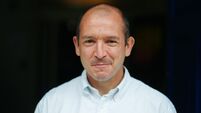
Speaking at the launch of Barnardos’ annual report yesterday, the charity’s chief executive, Fergus Finlay, outlined the stark reality facing vulnerable children and families.
He warned that continuing under-investment in vital areas such as child protection, educational supports, social welfare and family support services would “stack up the odds” against children who already have “incredibly serious” challenges to face.
He said climbing out of the poverty cycle was a mountain, but take away supports that might give children that crucial lift – such as homework clubs, sufficient social work support, a family support service, school book grants – and the mountain became an “Everest”.
According to its annual report, Barnardos worked with 5,665 children and families in 2008, an increase of 6% on the previous year
Almost half of those children had a behavioural problem, poor social skills or aggressive or age-inappropriate behaviour.
The charity’s chair, Harry Slowey, said it was clear from the statistics that children’s lives were as challenging now as ever.
He said failure to invest in working with these children and families would lead to irrevocable long-term damage for them, and for the country.
In his foreward, Mr Finlay painted a gloomy picture of modern Ireland, but vowed the charity would work harder than ever to ensure a quality service for children.
“The harsh truth is that the climate for organisations like ours has changed beyond all recognition,” he said.
“But much more to the point, life has become incredibly more difficult for many of the children and families we work with.”
But Mr Finlay said Barnardos staff were so dedicated that children would always come first.
“When we had to talk to them about the impact of the recession, the people who work in Barnardos unanimously agreed that the priority had to be to keep our projects going,” he said.
“Everyone in the organisation has agreed to pay sacrifices, and we have cut costs in other ways to protect services to children and families.”