Diabetic: HSE to blame for loss of sight
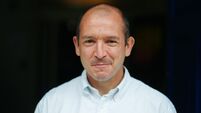
Chris Murphy, 36, is now terrified when he wakes up every morning, in case he finds he has lost the use of the other eye.
He is disgusted at the level of specialist treatment he received and even now cannot get a full eye check every six months, as he has been advised to do.
The former construction worker, who is single and from Ballymun, has type 1 diabetes and attends the Mater Hospital in Dublin as an out-patient.
In August 2000, when he attended the hospital’s eye clinic, he was told his appointment had been cancelled and the receptionist apologised for not contacting him.
Several weeks earlier, he had moved to London to work but wanted to return to Dublin simply to attend the clinic because of growing concerns for his eyes.
He woke up one morning in October the same year to find he was blind in the left eye.
“If that clinic had not been cancelled the blood vessels which had burst would have been seen and lasered, preventing the blindness. That is what the wonderful staff at London’s Moorfield Eye Hospital told me,” he said.
Staff at the London hospital set about treating his right eye and, a year later, through intricate surgery managed to return over 50% vision to his left eye.
Chris said when he is close to his appointment date for a check-up, he gets a letter stating that due to overbooking he has been given a new appointment for six months’ time.
“And guess what... six months roll around and I get another letter telling me of overbooking and to wait another six months,” said Chris, whose eyes will continue to deteriorate.
Chris felt so angry that he wrote to Fine Gael’s health spokesman Dr James Reilly. “My email was just blowing off steam because I felt so frustrated,” he said.
He never expected the TD to highlight his plight at this week’s meeting of the Joint Oireachtas Committee of Health and Children.
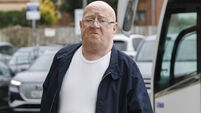
The meeting was attended by Health Minister Mary Harney and the chief executive of the Health Service Executive, Prof Brendan Drumm.
Prof Drumm told Dr Reilly that the diabetic retinopathy screening programme was being rolled out in the west this year.
The HSE was to introduce the programme in the west before the end of the year and to roll it out in other regions on a yearly basis until it would be fully operational in 2011.
Dr Reilly said it was the third year the health authority had attempted to roll out the service and it was not good enough that people like Chris were suffering.
“Tools like the HSE’s Healthstat information system are no use if the information is not being used to correct problems in the health system,” he said.