Sides fail to reach deal on part-time positions
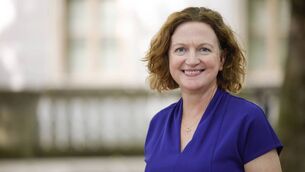
“And it is not just women who want these positions, some men want them too,” stressed vice-president of the Irish Hospital Consultants’ Association, Prof Mary Leader.
As far as she knew, just one part-time position had been advertised.

It was a matter of particular concern, she said, because the gender balance was changing with far more women in under-graduate schools than men.
About 70% of medical students are women.
During the talks, Prof Leader, a consultant pathologist, stressed that women who wanted to work part time must be catered for.
While health employers said they would encourage the provision of more part-time positions, no definite mechanism was agreed that would allow this to happen.
Presently, women doctors are applying for full-time consultant positions and then seeking to change their working practices to take account of their changing family situation.
Meanwhile, a new study published in the Journal of the Royal Society of Medicine found that women hospital consultants in Britain saw fewer patients than their male colleagues.
The difference was about 20% and was based on data to chart the workloads of 7,236 male and 1,048 female consultants working in 10 of the most common medical specialities in hospitals during 2004-5.
Lead author of the report Karen Bloor, from the University of York, stressed that the study did not measure every aspect of consultants’ work.
“It does not quantify information about teaching and administration where women may be more heavily involved,” she pointed out.
Co-author Prof Nick Freemantle, from the University of Birmingham, claimed the reason was that women arrived for work later and left earlier than their male counterparts because of responsibilities at home.
But Prof Leader said her workload as a pathologist was exactly the same as her male colleagues and added that she regularly started work at 7.30am and finished at 6.30pm.