Passing of the torch fails to shed light on change
Eamon Gilmore, in an uncharacteristically daring move, accepted his elevation to Labour leader four minutes before the deadline for nominations closed at noon yesterday.
Luckily, a smarting Brendan Howlin did not leap from nearby bushes and throw his hat into the ring at the last moment just for the hell of it.
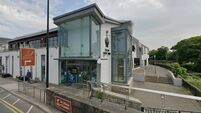
With High Noon safely passed, Mr Gilmore then swept into the Royal Hibernian Academy to formally begin his uphill struggle to the sound of applause that, if not rapturous, was definitely polite.
Thus began a new chapter in the history of Ireland’s oldest political party.
And that would be old in all senses of the word. For by the time the next general election rolls around no one under the age of 38 will have voted Labour and seen that action lift the party into power (and even the last time they did, in 1992, they were still saddled with the Fianna Fáil-led government they thought they were voting Labour to get shot of).
Mr Gilmore’s acceptance speech was as sombre as his charcoal suit, while deputy leadership rivals Joan Burton and Jan O’Sullivan looked glamorous enough to delight any upmarket summer wedding (oh, come on, I’m allowed to be mildly sexist when they both flunked the chance to go for the top job and make this a real contest instead of settling for second best).
Media-savvy Jan showed why she had taken the early edge in the finely balanced battle as she relentlessly mugged the camera shots as Mr Gilmore was feted by national TV crews, while Ms Burton had wandered off into the wilderness of Radio Local land.
Raise your game Joan.
Asked if he had a tinge of personal sadness at the end of his term, Pat Rabbitte replied: “Sad? I’m sad Pavarotti has died,” in one of the strangest question avoidance techniques yet deployed. It was almost as odd a remark as Mr Gilmore’s assertion that: “We have the best communications machine in Irish politics”, which, if true, can only mean the problem was the lousy policies it was sending out.
As a socialist coronation, it lacked the manic frenzy of those in North Korea, as not even music was allowed to ripple through the halls of the RHA.
With Labour’s relentless vote slide from the 1992 peak of 19.3% to just 10.4% last time out, Radiohead’s How to Disappear Completely might have been an apt choice, though perhaps too close to the bone for comfort.
As it was, the ceremony had the unmistakable feel of yesterday’s men desperately trying to find a way into today’s Ireland.