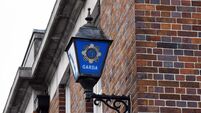
Gardaí to probe circumstances of invalid warrant in Curtain trial

GARDAÍ will carry out an investigation into the circumstances that led to the collapse of the Brian Curtin trial, although they still believe the warrant was valid.

Gardaí to probe circumstances of invalid warrant in Curtain trial

Judge Carroll Moran’s judgment will be studied by senior members, who are then expected to report to the Garda Commissioner Noel Conroy.

“The Garda Síochána fully accept the judgment of the courts and, in this case, will examine the judgment in detail to see how it affects us operationally,” a spokesman said.

Garda legal experts will be called in, and, if necessary, a directive issued clearly outlining procedures in relation to warrants.

While careful not to criticise the decision of the judge, garda sources believe it should be tested in a higher court. They still believe the warrant was still valid up to 3.20pm on May 27, 2002.

Under law, a warrant must be executed “within seven days from the date” of signing.

Sources suggest Judge Moran’s forceful view does not accord with the belief that this seven days is calculated in blocks of 24 hours. Others disagree, claiming it is well known that the clock starts ticking the previous midnight.

The Curtin case could have further far-reaching implications, according to legal insiders. Questions will also be asked about whether the warrants for others arrested under Operation Amethyst were valid.

The Curtin warrant was executed by a team led by a highly-experienced detective attached to the domestic violence and sexual assault unit.

As part of a select team investigating the abuse of children, Detective Inspector Tom Dixon has one of the toughest jobs in the country.

Det Insp Dixon was a key architect of the otherwise hugely successful Operation Amethyst and personally executed the warrant allowing gardaí to search the Curtin’s home.

The raids on houses across the country were planned for the following day. Most of them took place early in the morning.

Co-ordinated by the unit, a part of the National Bureau of Criminal Investigation, hundreds of members from dozens of districts were involved.

A team headed by Det Insp Dixon first arrived at Curtin’s home at 8am. No-one answered the door and the team returned a number of times before being admitted at 2.20pm. The warrant was signed at 3.20pm on May 20.

Barrister Michael O’Higgins said it was unusual for gardaí to wait seven days before acting on a warrant. Gardaí usually act within 24 hours, principally because the longer they leave it, the more likely a suspect will know they are being targeted.

Mr O’Higgins said it is well known that the clock starts at midnight on the day the warrant is signed, rather than the actual time.

Other legal sources said mistakes over warrants happen regularly, though rarely do these attract publicity.

Labour justice spokesman Joe Costello said: “There are serious questions here for both the gardaí and the prosecution service. The public will want to know how such a fundamental error was allowed to happen and how it was that the error in the warrant was not spotted for two years.”

More in this section

Lunchtime News

Newsletter

Keep up with stories of the day with our lunchtime news wrap and important breaking news alerts.

Cookie Policy Privacy Policy Brand Safety FAQ Help Contact Us Terms and Conditions

© Examiner Echo Group Limited