Number of tourists up but visits are shorter
Almost 6.7 million people visited the country this year, but “time poor” visitors are shortening their average length of stay.
Dublin continued to grow as a popular destination, while rural areas were hit by a concentration of business in urban areas.
Rural B&Bs again lost out as fewer visitors came for activity holidays such as angling and walking. Notable exceptions were properties offering particular attractions.
And between 5%-10% fewer visitors took their own cars as ferry operators lost market share to air services.
Visitors from mainland Europe surged by 16% on the back of new air services and the opening up of new eastern European markets.
But the key traditional British market showed only a 3% marginal rise over the year.
The ITIC survey showed the number of British visitors coming for holidays or leisure trips was unlikely to have increased, because business traffic and those visiting friends and relatives were particularly buoyant.
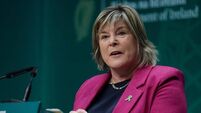
ITIC chairwoman Catherine Reilly said: “It is a clear conclusion from this industry survey that we urgently need to restore growth in holiday visitors from Britain.
“We cannot expect growth in regional tourism without restoring growth to the ‘car-brought’ market from Britain and Europe and to coach tour and car rental business from all markets,” she said.
“Despite the international and domestic challenges which have faced tourism, more people than ever before are coming to Ireland.
“However, the growth is not being shared equally in all regions and addressing this issue remains an urgent industry priority.”
She said the loss of market share by ferries, the concentration of growth on urban areas and the shortening length of stay of visitors were not unique to Ireland. But they posed unique difficulties which called for determined responses.
“We need to develop new and innovative products which will encourage visitors to move around the country and stay longer,” said Ms Reilly.
She noted that the strong performance of the domestic market had contributed “very significantly” to the buoyancy of the tourism sector, despite the increased number of Irish people taking overseas holidays.