North sees 100% rise in racial attacks
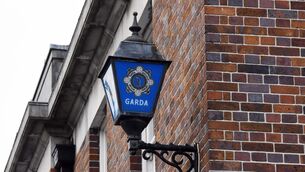
Police figures released yesterday showed the number of reported racially motivated incidents doubled in 2003/2004.
Senior police officers believe that the 453 reported incidents are only the tip of the iceberg.
A third of the incidents took place in South Belfast, which has a large Chinese and Indian population.
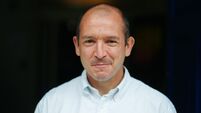
Mr Orde said his officers were working closely with ethnic minority communities to establish confidence and trust.
He said: "The numbers are still very small but that doesn't underestimate the impact on those victims," Mr Orde said.
"It is still nowhere as severe as other parts of the UK but we take it very seriously."
The police believe the lack of confidence in the service among ethnic minorities means there is a significant level of under reporting.
Chief Inspector Mark Hamilton, of the Craigavon District Command Unit which saw 31 racist incidents, said the figures belied a much deeper problem.
"Racism is identified as the most significant emerging problem within the district. A lack of confidence and trust within minority communities is continuing to result in lower levels of reported crimes.
"We are absolutely determined to shine a light into this problem and establish the full extent of it."
As the figures were released, Sinn Féin Assembly member for South Belfast Alex Maskey said politicians from both sides of the divide in Northern Ireland must stand up to those responsible for an increase in racist attacks.
Mr Maskey, who was preparing to meet politicians at Westminster today, urged all sides to face down those behind the attacks on ethnic minorities.
He said: "In recent times, there has been a marked increase in the volume of racially motivated attacks, particularly here in Belfast and in part of Upper Bann, and in the activities of various right-wing groupings," said Mr Maskey.
"Those of us in political leadership have a responsibility to challenge this directly."
The figures were contained in the PSNI's official statistics for the period April 2003 to March 2004, which saw a decrease of more than 14,000 recorded offences from the previous year.
The overall clearance rate was 27.4% an increase of 4.4% from 2002-2003.
Mr Orde said last year's quiet marching season meant he was able to free more officers to deal with ordinary crime and paramilitary activity.
This may have had some impact on the significant reduction in recorded crime.
CONNECT WITH US TODAY



Be the first to know the latest news and updates