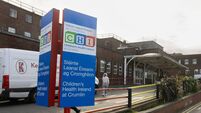
Mater A&E out of control, say nurses
Members of the INO working in the Mater Hospital said the situation had worsened in the previous 24 hours and the A&E department was unsafe and a risk to life.
Thirty-one patients awaited admission to the A&E yesterday, the INO said. “There is a culture of mismanagement of this problem in the city, but the situation in the Mater has now reached epic proportions,” said Patsy Doyle, INO Industrial Relations Officer.
“The INO calls on the Minister for Health to deal with the immediate problem which is safety and care provision for seriously ill people in the Mater A&E.”
Last night, the Mater Hospital categorically refuted the claim made by the INO. “The INO’s comments are very unhelpful to the needs of both patients and nurses at the hospital, coming at a time when the Mater is gearing to reopen beds and recruit additional nursing staff following the financial cutbacks earlier this year.
“The number of patients currently awaiting beds has been reduced to 20 people from 29 earlier today,” a spokesperson for the hospital said.
The deputy leader of the Labour Party and spokeswoman on Health, Liz McManus said the hospital waiting list figures showed a pitiful reduction of just 2% in three months.
At this rate of reduction, it will take almost 30 years to clear hospital waiting lists for good, she said.
“The paltry decrease of just 589 in waiting lists in the period between March and June of this year is a shocking rate of reduction, but must be considered in the context of hundreds of hospital bed closures in public hospitals, chronic nurse shortages and crises in accident and emergency departments which the Minister for Health continues to ignore,” Ms McManus said.
According to the department’s figures released yesterday, the number of adults waiting over 12 months for treatment in the nine target surgical areas has fallen by approximately 43% (7,407 to 4,252) from June 2002 to June 2003.
The number of children waiting over six months for treatment in the same target areas has decreased by 57%.
The overall number of patients on hospital waiting lists stood at 28,130 at the end of June 2003.
“Very significant progress has been made in tackling waiting times in the nine target surgical specialities,” said Mr Martin. He said that all health boards outside the eastern region were tackling waiting lists under the National Treatment Purchase Fund.
CONNECT WITH US TODAY



Be the first to know the latest news and updates