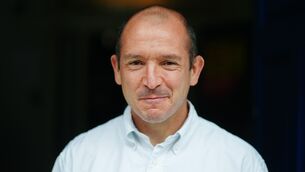
Dempsey wants more male teachers
Mr Dempsey is to establish a special working group to resolve the problem, as statistics show 90% of those entering teacher training colleges are women. Their job will be to examine the gender imbalance in modern teaching and come up with ways of redressing the inequalities.
The move comes as a report published this week recommends the image of the profession must be improved to help meet the shortages of 1,000 staff in the country’s primary schools. The study was conducted by the Organisation for Economic Co-Operation and Development (OECD).
There are around 23,000 full and part-time teachers in the country’s 3,300 primary schools but increased emphasis on special needs education and efforts to reduce class sizes have compounded shortages.
“The current shortage may put a brake on the recommendations of a review body to extend the primary teacher education course to four years,” says the report, written by Professor John Coolahan of National University of Ireland, Maynooth.
It also refers to the imbalance in the nature of recruitment between men and women candidates, with nine women entering the profession for every man.
“Research indicates that complex causes are involved here, but it would seem that the image of primary teaching is one of involving ‘women’s work’. The very long 25-year incremental salary scale is also regarded by some commentators as inimical to the image, particularly for males,” the report says.
The Irish National Teachers Organisation welcomed the establishment of the working group by the Department of Education as women outnumber men by almost four-to-one in schools but trends in education colleges indicate the situation is going to get far worse.
“This could have implications in schools for how pupils perceive the role of the teacher. There is a strong need for more men on the teaching staff in order to provide positive male role models, we really want the staff mix to reflect society as a whole,” said INTO general secretary John Carr.
Mr Carr also called on the Department of Education to examine the length of the salary scale, which is common to primary and second-level teachers.
However, reports from an online primary teacher training college set to take in hundreds of entrants next month are encouraging. Hibernia College received approval from Mr Dempsey last month to set up the modular course, which will ease pressure on the overcrowded colleges of education.
“The applicants are mostly women, but there is a broad mix of people who are already teaching but do not have a primary qualification and others working in other disciplines who always considered teaching as a career,” said a college spokesperson.
The Government has made almost 2,000 places available on postgraduate primary teaching courses at the country’s colleges of education in the last five years. However, no decision has been made yet whether to approve extra places for these courses next year.