Committee on bioterrorism ‘inactive for year’
One member of the committee, which was established shortly after the September 11 terrorist attacks on the US in 2001, said its failure to hold a meeting since October 29, 2003 was “scandalous.”
“There has been no action at all. I know that other members are also furious about this delay,” said the committee member. “We are not truly prepared. We would experience serious difficulties in our readiness to deal with such an incident if it occurred today.”
Several members of the committee are also known to be annoyed at the lack of specialist medical facilities and personnel to treat patients affected by chemical or biological weapons, despite the problem having first been highlighted over two years ago.
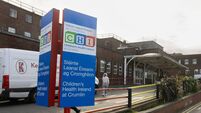
Under existing procedures, treatment facilities would currently be provided to victims of such an outbreak at the Mater Hospital, despite it notifying the Department of Health that it could only provide such a facility until spring this year.
Both the Mater and St James’ Hospital submitted proposals to the Department of Health almost a year ago for the establishment of specialised units to deal with infectious incidents resulting from bioterrorism at an estimated cost of around 3m.
Medical experts have pointed out that such a facility could also be used to treat patients suffering from other illnesses such as tuberculosis.
However, the Government has still to designate the location of such a hi-tech isolation unit over two years after the expert group said such a facility should be established “without delay.”
No choice has yet been made, although a Department of Health spokesperson indicated last August that such a decision was expected “within weeks.”
Documents obtained by the Irish Examiner under the Freedom of Information Act show several committee members were angered that their input was not sought on certain issues such as the location of the unit, despite having specialist expertise in the relevant matter.
Most EU countries have taken the threat of bioterrorism, real or hoax, seriously and have advanced plans in place to deal with such an event.
Since its establishment, the expert committee has acted on the basis that the level of threat has not receded since 2001 and that relevant facilities need to be put in place “as a matter of urgency.”
Despite some progress on preparing an action plan, a report provided to the committee last year admitted that an outbreak of a highly infectious disease like smallpox “could still cause significant problems for the Health Board involved and for the Irish health system in general.”
CONNECT WITH US TODAY



Be the first to know the latest news and updates