Worried about scam car sellers? Here’s what to look out for
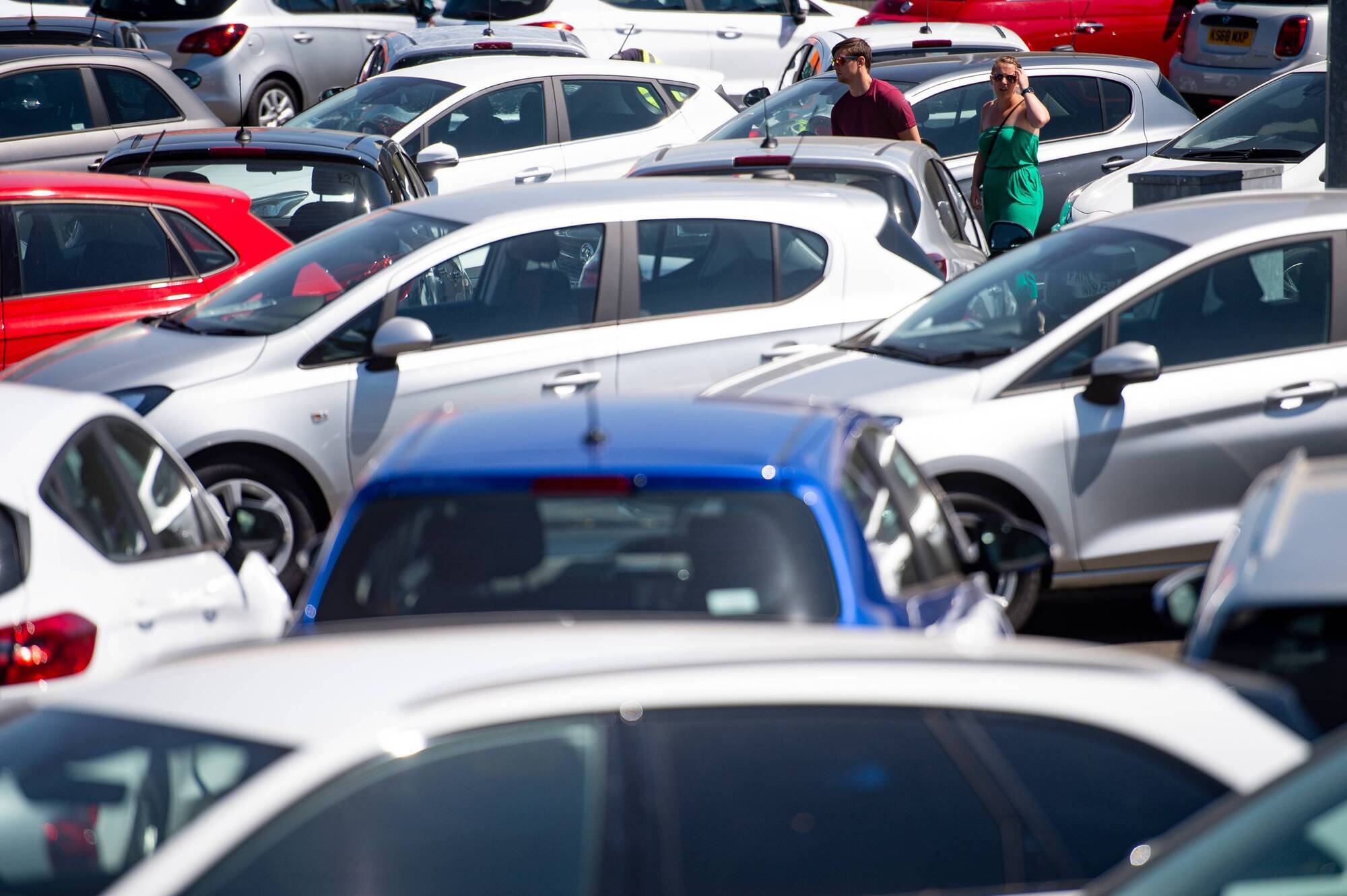
If you’re worried about scam car sellers – or want to stay safe when buying your next car – then read on to find out what to look for. Pictures: PA
Buying a car has never been simpler. With a range of options available to drivers online, simply clicking on an advert, checking out a vehicle and paying for it is something that has become a lot more common, particularly after the covid-19 pandemic.
However, it has also meant that scam car sellers have become more common with fake adverts, false numbers and doctored profiles used to trick buyers.
If you’re worried about scam car sellers – or want to stay safe when buying your next car – then read on to find out what to look for.
Read More
According to , scammers often set up a genuine-looking website to advertise cars at low prices. They can have all the look and feel of a ‘real’ car-selling website, too, with contact details and plenty of stock.
They then advertise vehicles via Facebook Marketplace or other car-selling platforms, where it is easy to set up an account quickly. Cars then direct users to the website via email, after which they’re asked for a deposit to secure the vehicle.
Quite often, these scammers will offer a low price to deliver the car, or might even say that they’ll do it for free.
However, when the money is transferred, the car never arrives and the sellers vanish, leaving the victim out of pocket.
There are some areas you can check to make sure that you’re dealing with a genuine car seller, though, so let’s take a look.
While the Companies Registration Office (CRO) can often be a good way of certifying a business, it’s not always a hard-and-fast method when finding a scam dealer. This is because scammers will often take directors’ names from the CRO to make them more legitimate.
Don’t just assume that since a website’s listed address matches the one on the CRO, the whole business is legitimate. Again, scammers will copy this, so some more investigation might be needed.
A great way to check whether or not a business is legitimate is by looking at its images. By right-clicking on an image, you can then ‘search Image with Google’. This will display images found on a website with other uses of that picture online.
So, for instance, there may be headshots of staff members that can be cross-checked with Google’s Image Search. If they’ve been used elsewhere, or lifted from another website, then this will show up.
Real dealerships or sellers will usually take photos of a car in the same location and at the same time of day, with the same backdrop as well.
However, scammers will often ‘lift’ images from multiple sources. If a car’s listing shows it in different locations and at different times of day, then something may be afoot.
One of the key ways to determine whether a car advert is real or fake is through the price. Does it seem too cheap to be true? If that’s the case, it probably is.
Scammers will use cheap cars to lure in buyers and get them to pay a deposit, thinking that they’re getting a bargain.
However, in reality, a car which seems wildly too cheap usually isn’t real. Compare it with other similar vehicles for sale online and, if it seems way off the mark, it may be better to avoid it.
Where a dealership says it is located can be a clear indicator as to whether or not it is real. It’s easiest to cross-check this address with Google Maps, looking at Street View to see whether or not a dealership is actually located there.
On a scam seller’s site, the business name usually doesn’t match at all. It might even be worth calling a nearby business to see if they’re aware of the car dealership. If not, then there’s a good chance it doesn’t exist.
Even if a dealership is relatively new, it’ll quickly get reviews from customers via legitimate websites such as Google, DoneDeal or Carzone.
If a car dealership or seller doesn’t have any reviews whatsoever, then they’re best avoided. They should show up when you do an online search of a business.
When dealing with a legitimate business, sellers will usually contact you with a proper email which matches the name of the company. However, scammers won’t spend the time to do that and will usually contact a buyer with a Gmail account, or another email service which is quick to set up.
Though some legitimate sellers might use a Gmail account, when this is combined with some of the other red flags listed below, it can be a tell-tale sign that something isn’t right.
If something doesn’t feel right, then your best bet is to walk away. Whether you’re being pressured to pay a deposit or find that a business’s details don’t match with a physical location, if anything feels awry, then the best policy is to leave things alone.
Remember, you are under no obligation to pay any money – don’t feel pressured into transferring funds.