How can I get my car ready for autumn?

Picture: Mazda/PA.
With summer winding down and autumn on the way, it’s starting to get a little cooler and darker.
These changing conditions put a little more pressure on cars, while issues that might not have seemed all that important during the warmer months are brought to the fore.
Want to get your cat autumn ready? These are some of the areas to scrutinise before the colder weather arrives…
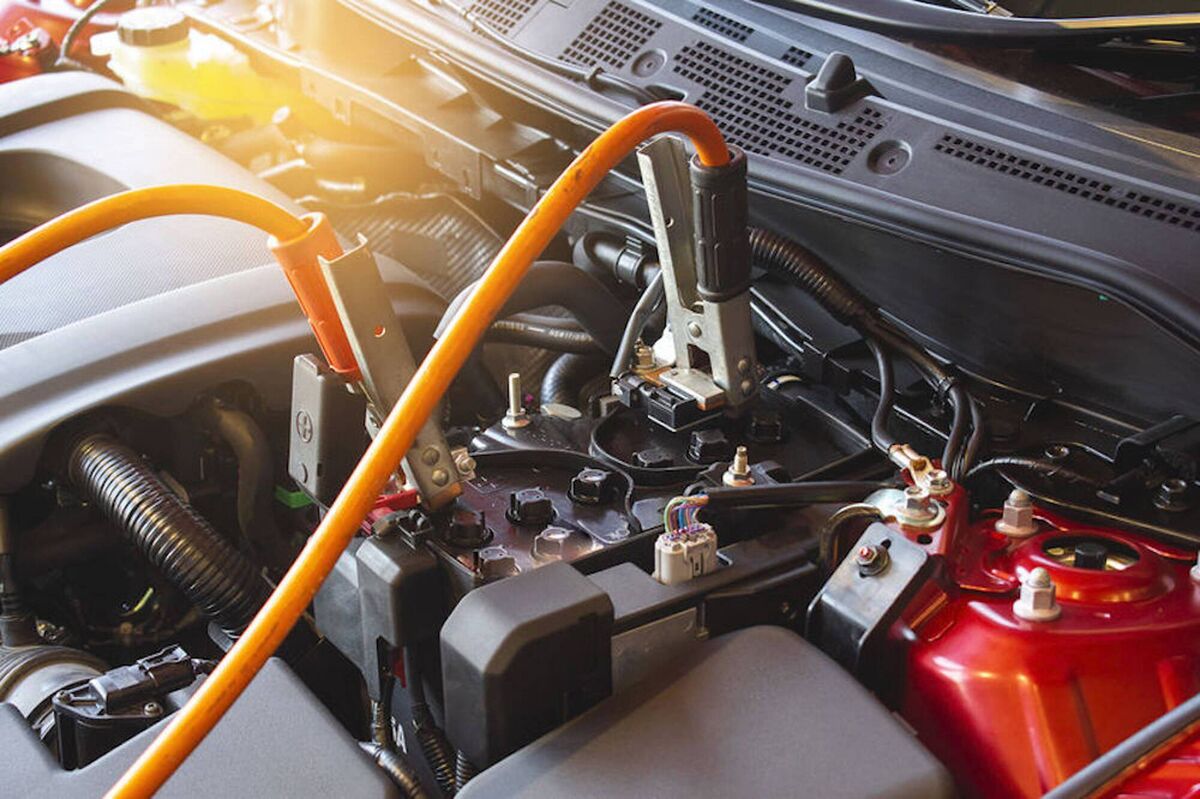
One of the first things that can go when colder weather hits is your car’s battery.
During summer, you’ll likely have used a lot of the electrical components in your car, with features such as the air conditioning and electric windows putting extra strain on the battery. As a result, it might not be as strong going into the colder weather as you may expect.
So if the temperature drops and your car starts to struggle to get going, it might be a good idea to replace your battery.
Colder weather reduces your battery’s ability to start, so it could only take one very cold snap for it to fail entirely.
Drivers tend to do longer journeys during summertime, with the holidays in full swing. This means tyres may wear down more quickly and become less effective – so it’s a great idea to give them a check-over now. The legal limit for tyre tread in Ireland is 1.6mm – though it’s advisable to swap your tyres out well before it hits this – and you could be fined up €80, along with 2 penalty points, if they’re found to be at an illegal depth.
You can check them either with a tyre tread depth gauge (available from retailers).
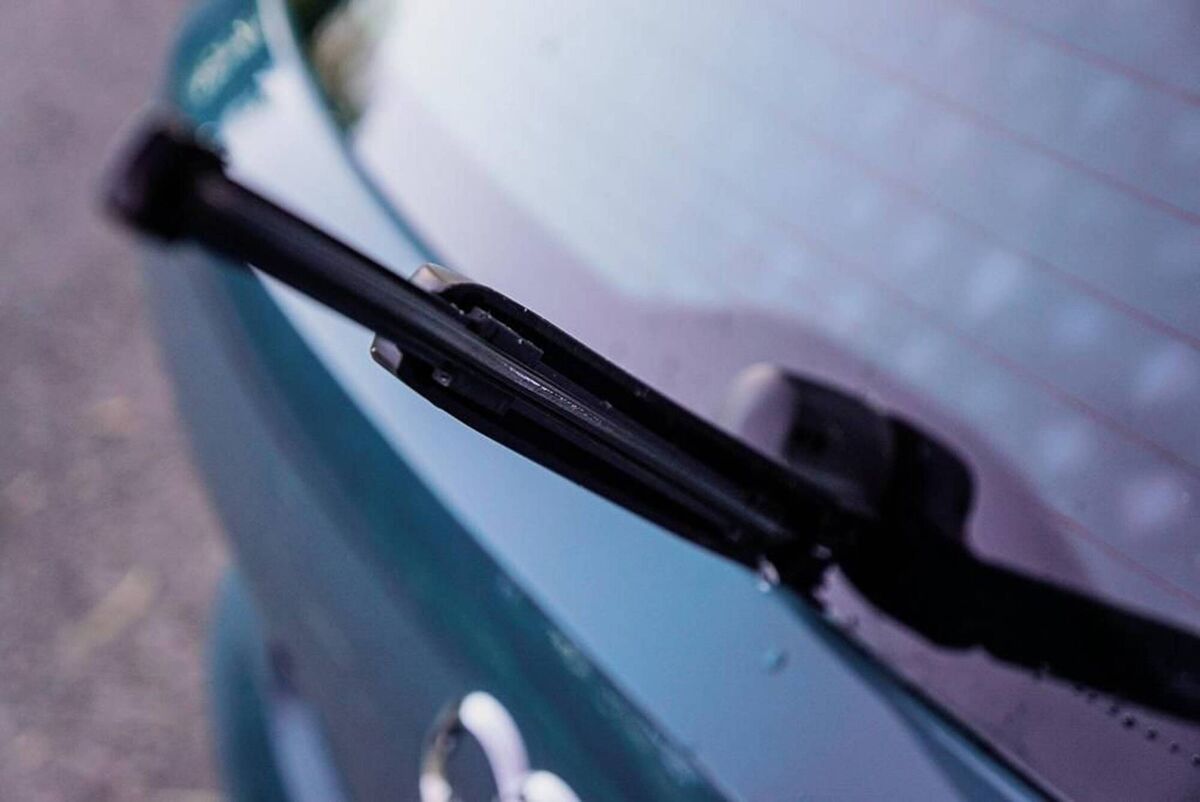
Large parts of Ireland have been exceptionally dry this summer, which means many people might not have been using their wipers as often as usual. Long exposure to sun and high temperatures can cause windscreen wipers to perish prematurely, so you could find they’re not as effective at clearing away rain when the time comes.
You might be able to see this issue if the blades appear cracked and dry. They may leave streaky marks on the windscreen when used too. So get them replaced – it’s not a tricky job to do at home. While you’re there, it’s a good idea to make sure you’ve got plenty of washer fluid, topping up the bottle that is usually underneath the bonnet (typically designated with a blue cap) with the liquid.
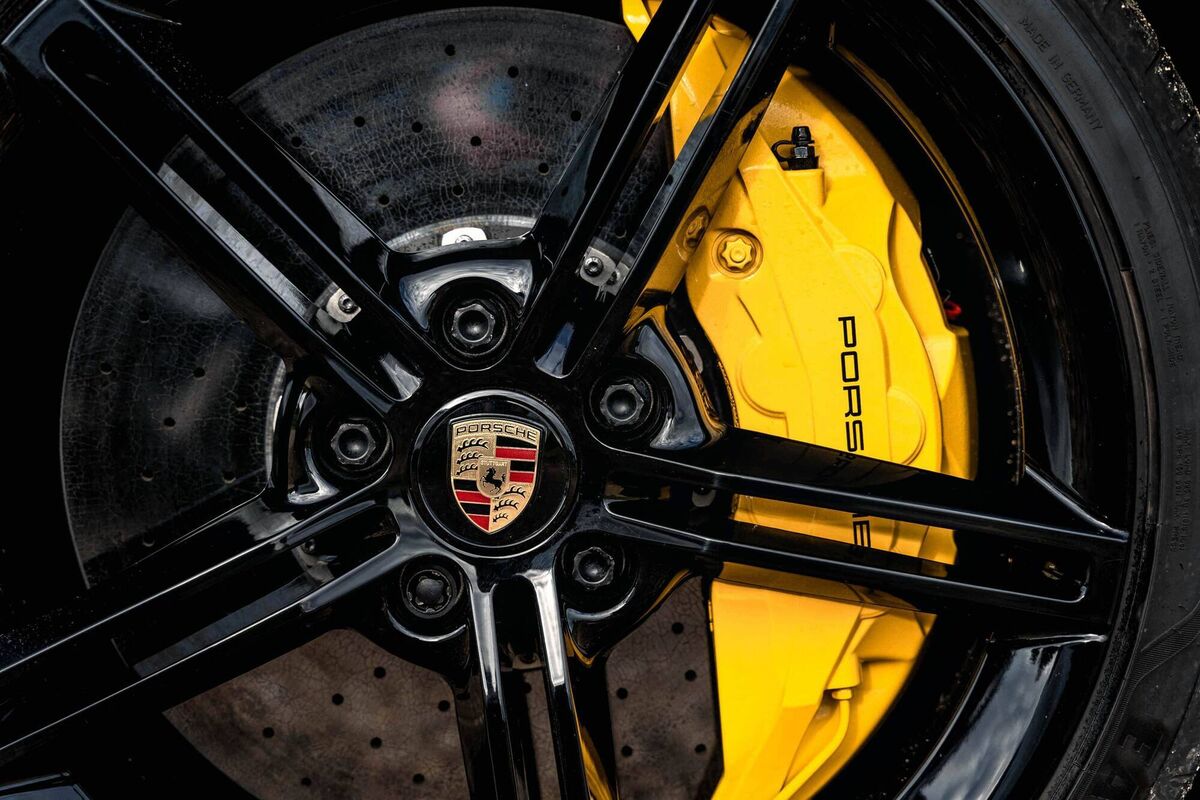
Brakes are one of your car’s most important components. After all, they’re what enable you to bring the car to a stop.
During summer, many cars – as mentioned – are being used for longer trips than usual, so wear rates are higher on many components, including brakes.
Tell-tale signs your brakes might need replacing include grinding noises when slowing down, pulling to the left or right when braking, or just a general drop-off in performance and not slowing the car down as effectively as usual.
Any vibration might mean the brake discs are warped too, which will mean they need replacing.
Windscreens take a beating at all times of year, but during summer they can be particularly prone to chipping and cracking as dust and grit fly about. Though a small chip might not immediately seem like an issue, even a slight drop in temperature can cause it to turn into a crack.
A number of specialist companies can do a spot repair on chips, injecting them with resin to prevent them from spreading further. So if you notice an issue, it’s best to get it checked or it could turn into a much larger – and more expensive – problem.
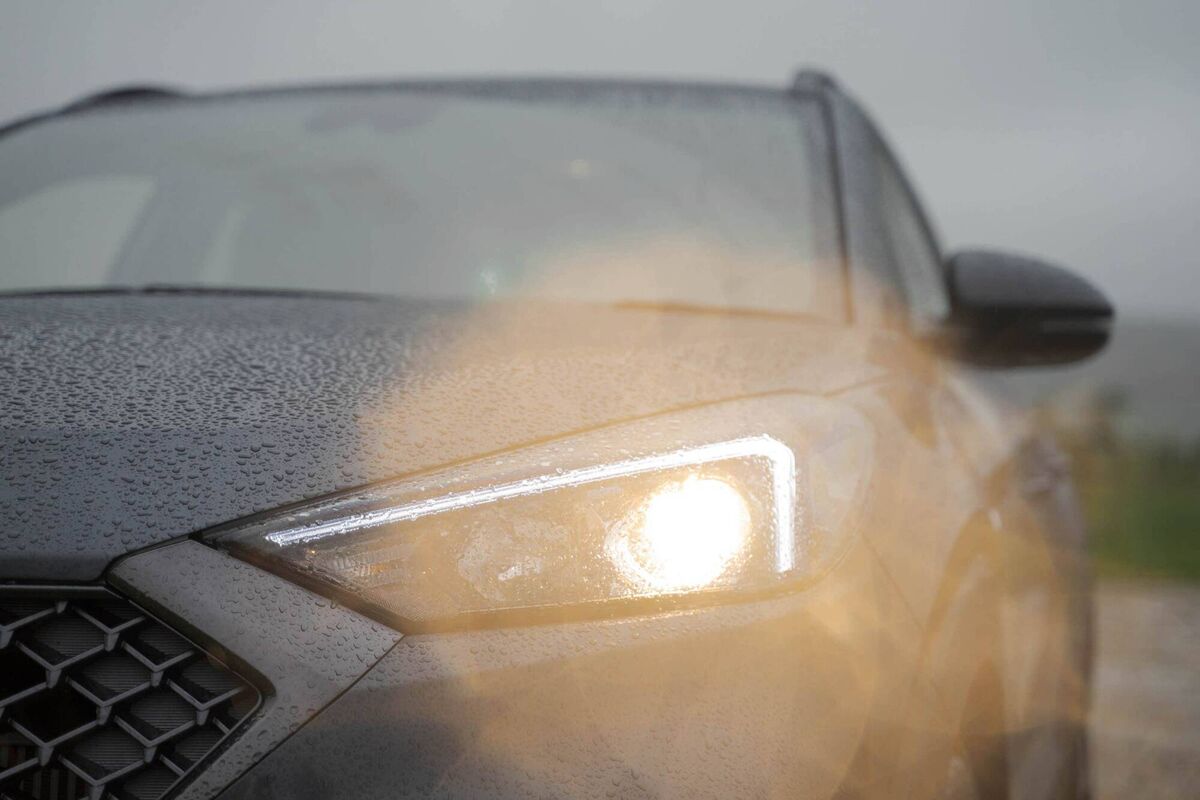
During the longer days of summer, there’s not as much need to rely on your lights. However, as the days get shorter they become even more important, which is why now is a great time to check they’re all working as they should be.
It’s easiest to get a friend or relative to help with this. Check that your indicators – front and back – are working correctly, and test your brake lights to ensure they’re functioning as they should too.
Then check your full beams. If you have any bulbs that have blown, you’ll need to replace them, either yourself or by a mechanic.
[READMORE]40947365[/READMORE]