Five things you need to know about driving abroad
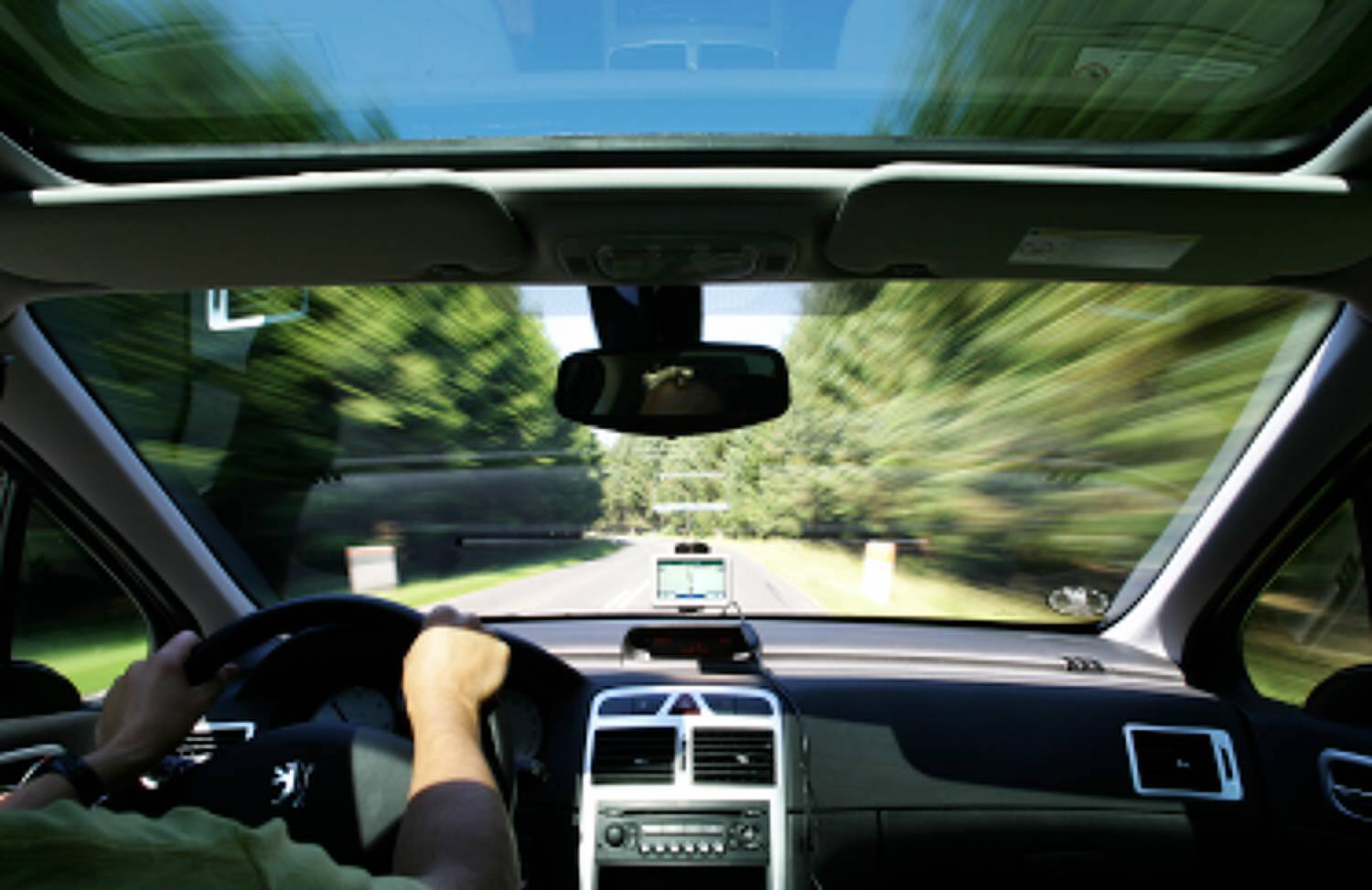
Driving in your holiday destination of choice isn’t always as simple as turning a key and getting on your way.
This year could be the first time since the pandemic began that many of us will have the opportunity to holiday abroad. With restrictions easing in many places around the world, finding some summer sun is back on the cards.
However, driving in your holiday destination of choice isn’t always as simple as turning a key and getting on your way.
So whether you’ve got a continent-crossing road trip in mind, or just want some holiday wheels to see the sights, here are five things you need to know about driving abroad…
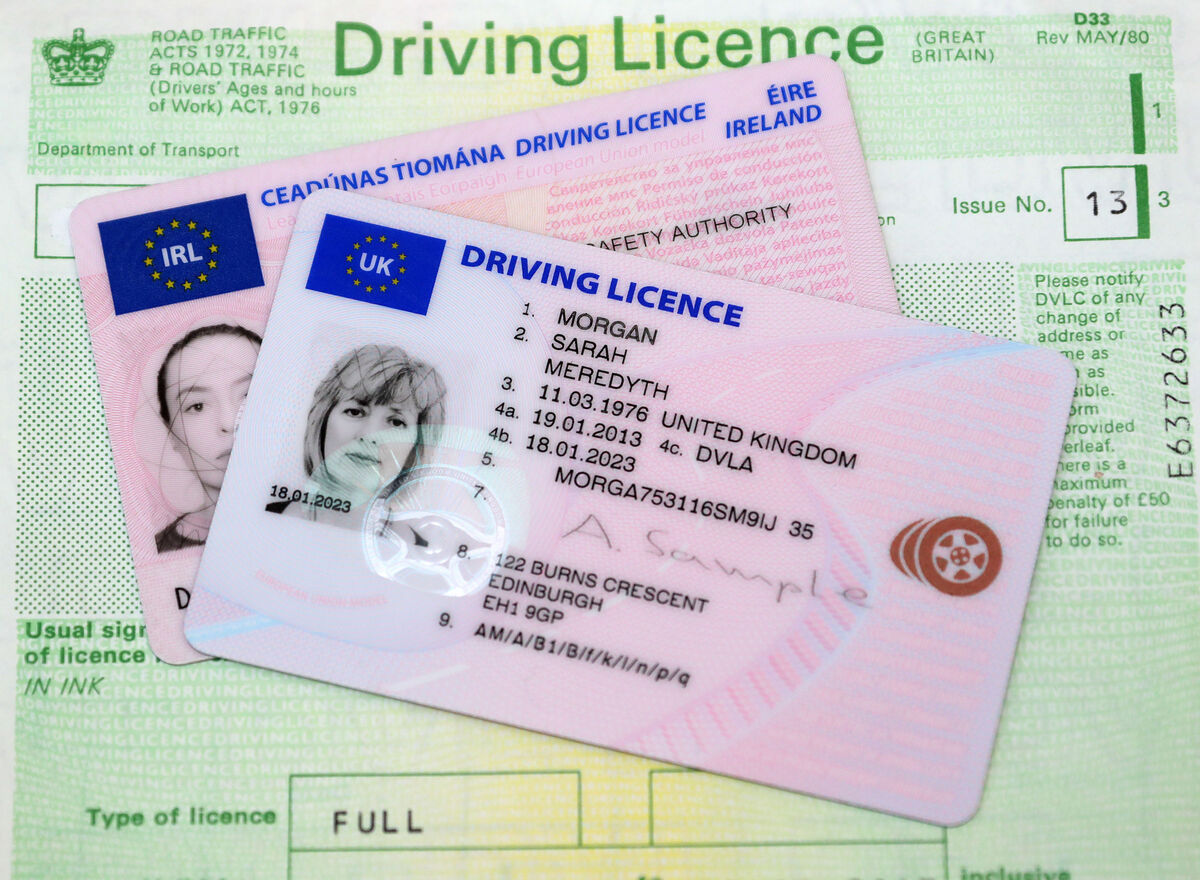
When you’re driving abroad, it’s important to keep your driving licence on you at all times, in case it’s requested by the authorities.
If your licence has been stolen, lost or damaged, you should apply for a new one before leaving. You can do this online on the NDLS website and should receive it in five days.
It’s also worth getting a vehicle licence check code if you’re planning on renting a car, as this will allow the rental company to check your details.
If you’re driving your own car, be sure to keep your insurance details and vehicle logbook in the car at all times.
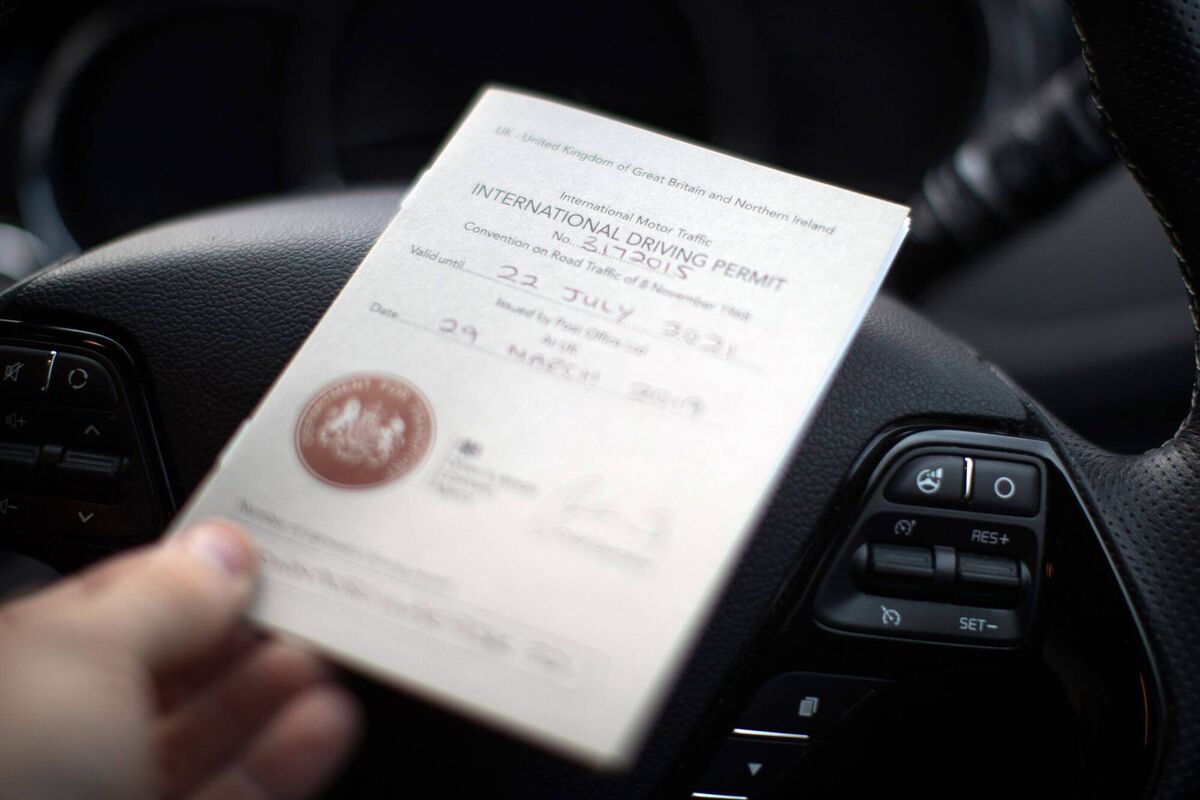
If you’re driving within the EU and most other European countries, you probably won’t need an International Driving Permit (IDP) — but in many other countries, an Irish licence is not sufficient to drive on its own.
Applying for an IDP is simple and can be done through the AA's website or download one here.
Your application must be accompanied by:
- A photocopy of your current valid Republic of Ireland driver's licence (front and back);
- A passport size photograph — signed by you on the reverse;
- A photocopy of a household bill dated in the last three months of the applicant (only necessary if applying with a non-Republic of Ireland driving licence).
There are two types of IDP; 1949 Convention IDP/permit is usually issued and is recognised in most countries and a 1926 Convention IDP/permit is required for Brazil, Burundi, Iraq, Nigeria and Somalia.
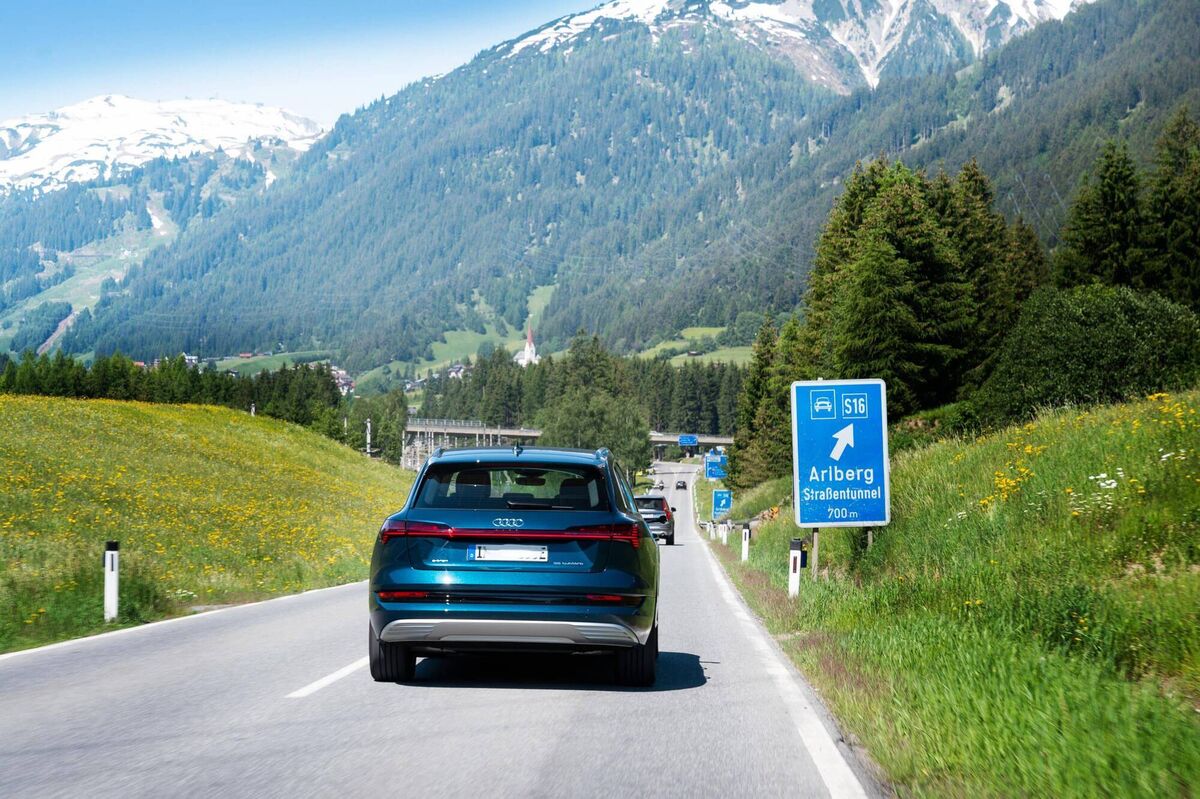
Most people are aware of the fact Ireland is in the minority for driving on the left, so you’ll probably be prepared to drive on the other side of the road while you’re overseas.
If you’ve never done it before then take your time, starting slow to build up your confidence.
However, each country will have its own more specific rules around traffic lights, road markings, pedestrian crossings and more.
Some countries also require you to carry items such as warning triangles and high visibility vests, and you’ll need to alter your headlights for driving on the other side of the road.
Make sure you do some research before getting out on the road, so you don’t make any errors and risk a fine or put yourself or others in danger.
This is less relevant to those renting a car while abroad, but if you’re planning on taking your own car on a road trip outside the country, it’s important to check your insurance covers foreign travel.
Similarly, make sure your breakdown cover includes European travel. If not, you can often purchase an add-on for while you’re away, or get temporary cover from a third-party.
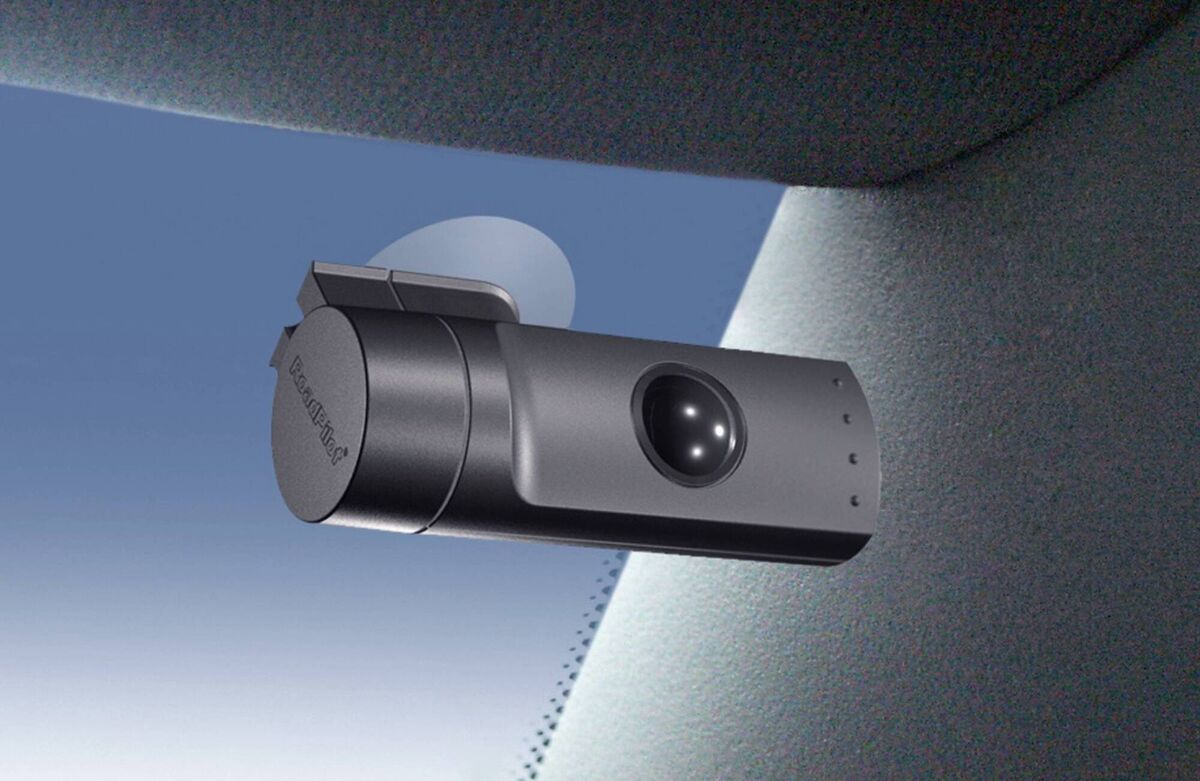
If taking your own car abroad, it’s worth noting that radar detectors are illegal in some countries, including in Europe.
These devices alert drivers when a speed gun is pointed at their vehicle, theoretically giving them time to slow down and avoid a fine.
The device could also be confiscated by the police.
In some places, you could also get in trouble for having a sat-nav system that alerts you to fixed position cameras, so disable this function if possible, if this is the case where you will be driving.