Wheels & Deals: 'Check your tyres and it could save your life'
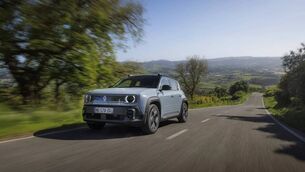
Motorists are being urged to check their tyres during Irish Road Safety Week 2021. Picture: Robbie Reynolds

Try from €1.50 / week
SUBSCRIBEThe Irish Tyre Industry Association (ITIA) has teamed up with the Road Safety Authority (RSA) and An Garda Siochána to promote safety on the roads during Irish Road Safety Week 2021, from October 4 to 10.
To highlight the importance of safe tyres, Wednesday, October 6 is ‘Tyre Safety Day’ to remind all road users to check their tyres for tread depth, correct pressure, and for defects. Garda checkpoints will focus on tyre safety.
All ITIA members (www.itia.ie) are participating in Road Safety Week by offering free tyre checks on all cars, vans, and HMVs for the week.
ITIA chief executive, Sue O’Neill, said: “Tyres are the only point of contact between your vehicle and the road, yet the importance of tyres to vehicle safety is often neglected.
"There are expert ITIA technicians available nationwide to give your tyres a free overall check and advice on how to check your vehicle correctly on a regular basis for pressure, wear, and the tread depth of your tyre.
“Our message is: Don’t chance it: Check your tyres and it could save your life,” Ms O’Neill said.
NEW LEXUS ES
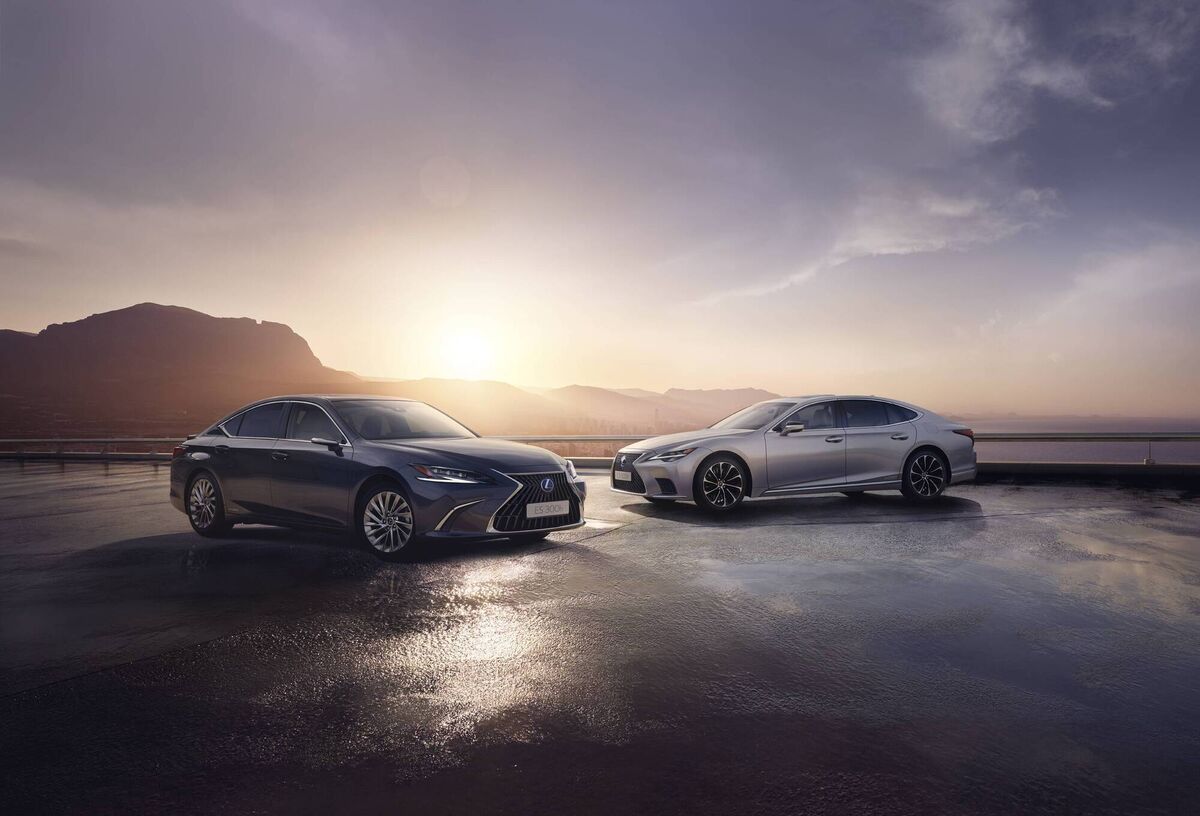
For 32 years, the Lexus ES executive sedan has cushioned drivers and passengers with its exceptional quietness, refined ride, and luxurious cabin.

Launched alongside the first LS flagship sedan in 1989, the ES is a core model in the E-premium segment, attracting private and business drivers.
Cumulative sales since its debut are 2.75m cars and it is sold in 80 countries and regions.
And now there’s a new one.
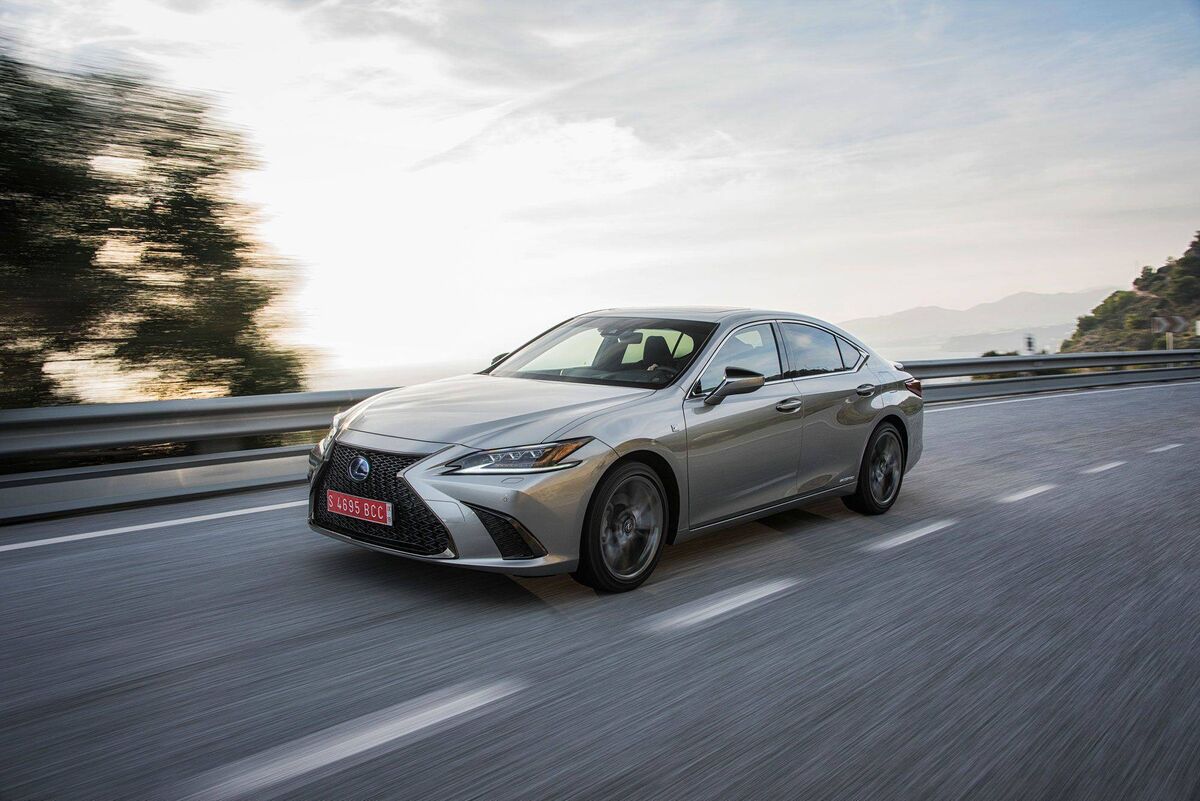
Launched in 2018, after three decades of success in the executive sedan category, the seventh-generation model was the first ES to be sold in Western and Central Europe. Somewhat provocative in its looks, this ES is built on the luxury brand’s much-acclaimed global architecture — K (GA-K) platform — which the company says allowed designers to explore the limits of sedan design.
For instance, the longer wheelbase enables the wheels to be pushed closer to the corners, with wider front and rear treads. The platform also allows for a lower bonnet and sweeping coupé roofline. The clean and sharply chiselled rear end, with LED lamps that wrap around the quarter panels, generates a continuous styling line.

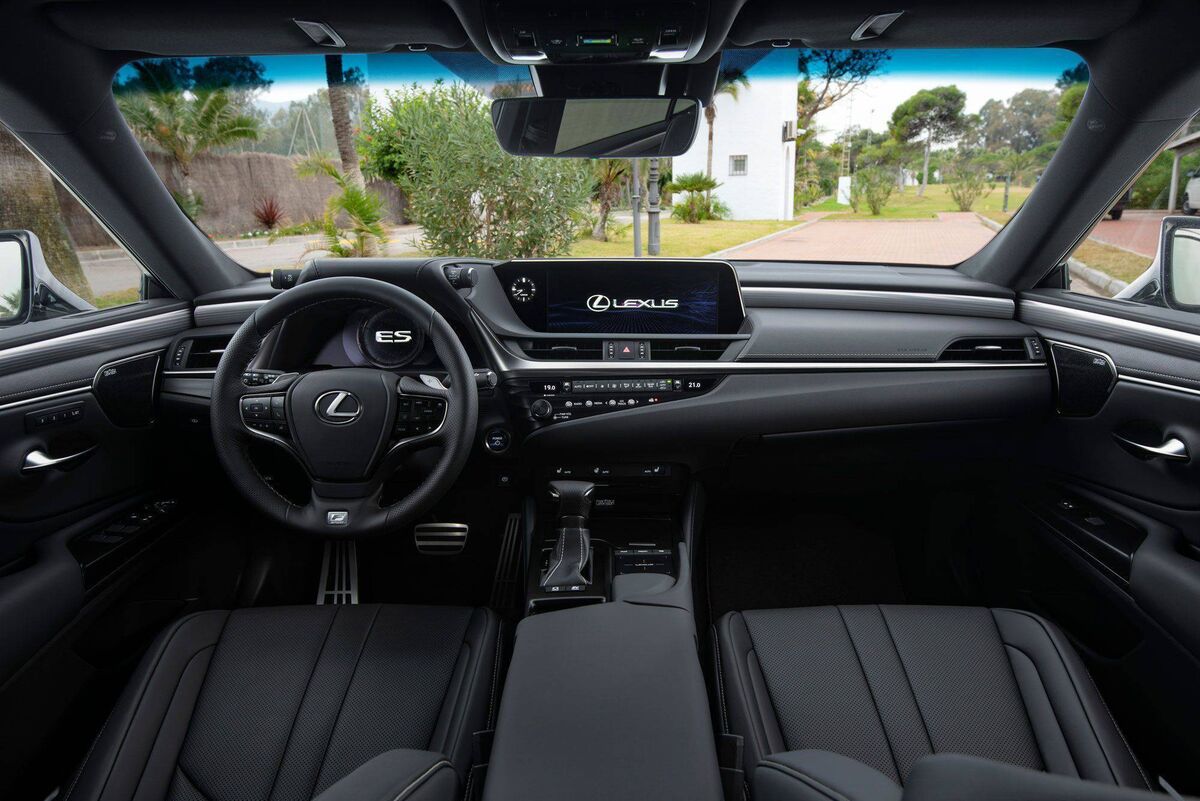
In the new ES 300h, driver and passengers enjoy comfortable seats, with the figure-hugging sports seats on the ES 300h F SPORT inspired by those on the LC coupé.
While the Comfort and F SPORT grades have Tahara synthetic leather seats, the Executive and Luxury grades feature exquisitely finished leather.
The driver enjoys a natural steering-wheel angle, pedal positions, and optional, 16-way seat, which are important for relaxed business travel.
Carefully positioned in the driver’s field of vision are a head-up display and 12.3-inch, Lexus premium navigation.

For music lovers, the car’s 17-speaker Mark Levinson PurePlay system delivers the purest audio experience yet, while rear-seat comfort reaches new levels, with one metre of rear legroom in electrically adjustable heated seats, on the Luxury grade.
We will have more in due course, when Irish pricing and specifications are announced.
LEATHER-FREE
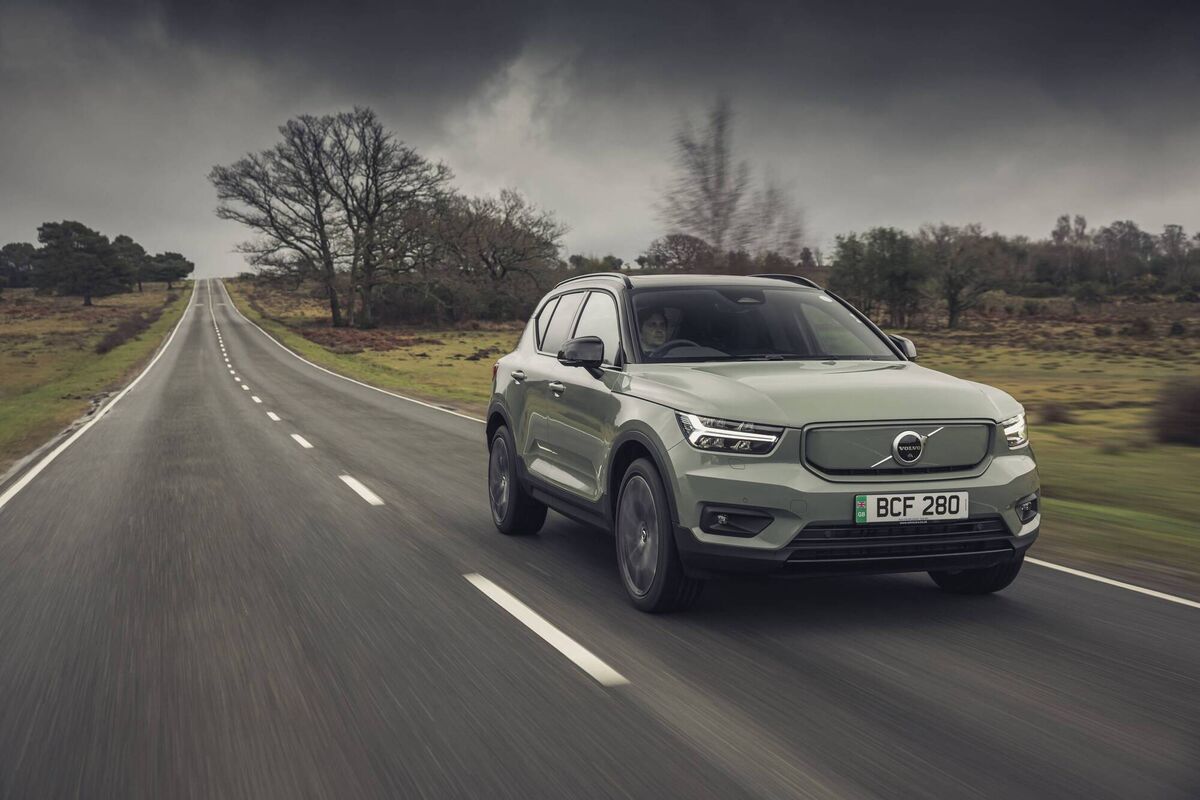
Volvo says it is taking an ethical stand for animal welfare in its fully electric cars. Starting with the new XC40 Recharge, all new fully electric Volvo models will be leather-free.

In coming years, Volvo Cars will launch a new family of pure electric cars. By 2030, it aims to offer only fully electric cars, all of them leather-free.
As part of its ambitions to go leather-free, Volvo Cars is working to find high-quality and sustainable sources for many materials used in the wider car industry.
By 2025, the company is aiming for 25% of the material in new Volvo cars to consist of recycled and bio-based content, as it looks to become a fully circular business by 2040. As part of its climate action plans, it also aims for all of its immediate suppliers, including material suppliers, to use 100% renewable energy by 2025.
The company’s move towards leather-free interiors is also driven by a concern about the negative environmental impacts of cattle farming, including deforestation. Livestock is estimated to be responsible for 14% of global greenhouse gas emissions from human activity, with the majority coming from cattle farming.

Instead of leather interior options, Volvo Cars will offer its customers alternatives, such as high-quality sustainable materials made from bio-based and recycled sources.
Volvo Cars is also looking to reduce the use of residuals from livestock production commonly used within or in the manufacture of plastics, rubber, lubricants, and adhesives, either as part of the material or as a process chemical in the material’s production or treatment.
Newsletter
Sign up to the best reads of the week from irishexaminer.com selected just for you.

Newsletter
The best food, health, entertainment and lifestyle content from the Irish Examiner, direct to your inbox.
© Examiner Echo Group Limited