Wheels & Deals: BMW's new all-electric iX to hit Irish roads in November
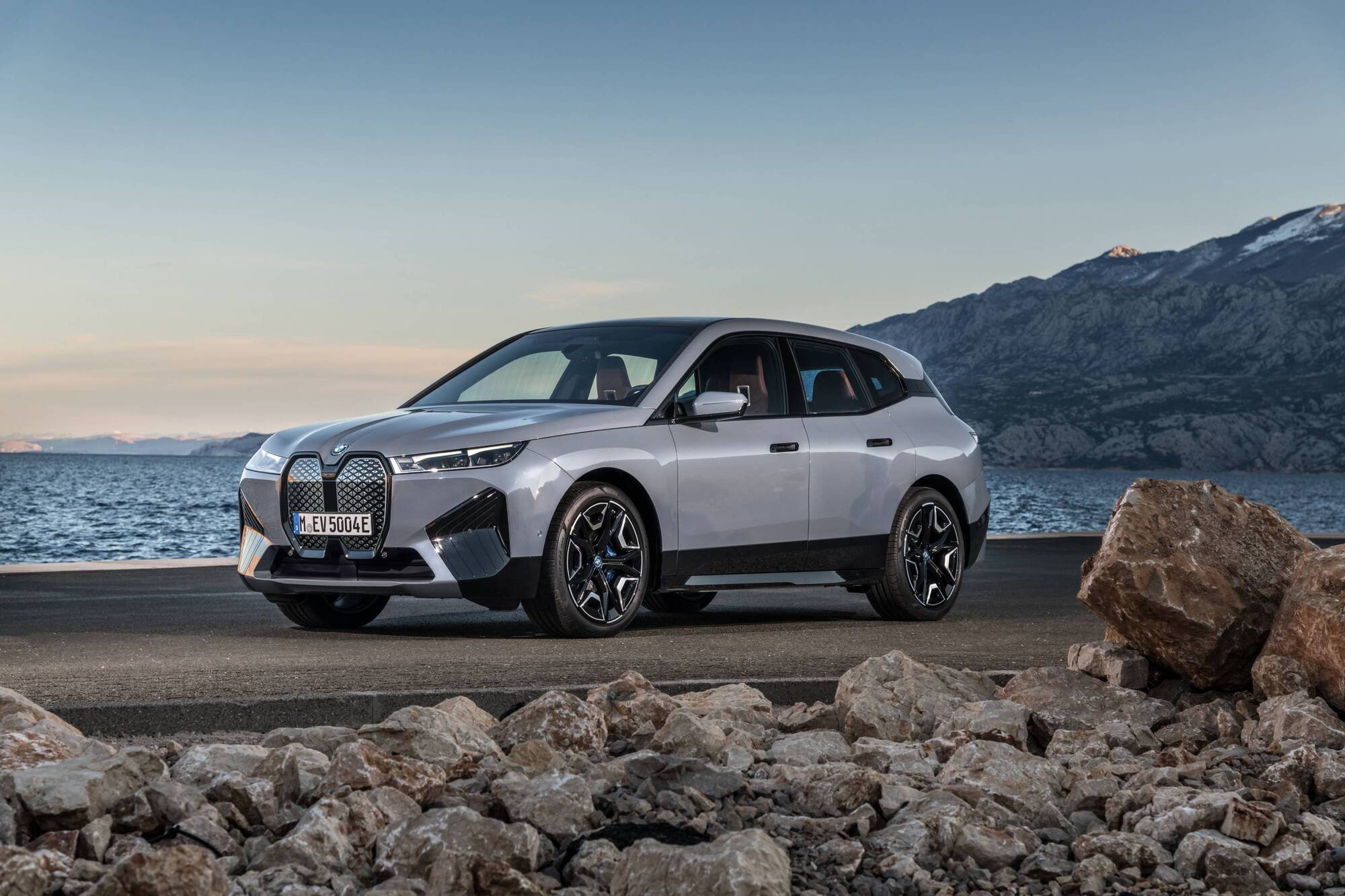
It will cost some €85,815 for the iX xDrive40 and €112,895 for the range topping iX xDrive50.
BMW’s new iX all-electric SAV is expected to launch in Ireland this November and it won’t be cheap.
Described as the BMW Group’s new technology flagship, it is the first Sports Activity Vehicle (SAV) conceived as an all-electric vehicle from the ground up.
It will cost some €85,815 for the iX xDrive40 and €112,895 for the range topping iX xDrive50.
BMW says the range will have the most extensive array of driver assistance systems ever fitted as standard in a BMW model and stuff like ‘Crossroads Warning’ with a city braking function, the Steering and Lane Control Assistant will be available in many more situations, there will also be Active Cruise Control with automatic Speed Limit Assist and the Parking Assistant (including Reversing Assist Camera and Reversing Assistant) will be specified as standard.
The new cars will have the exterior length and width of the BMW X5, the height of the BMW X6 and the wheel dimensions of the BMW X7.
Innovations will include model-specific drive sound with authentic response to acceleration and speed and the standard BMW ‘IconicSounds Electric’ enables integration of new sound variants produced as part of a collaboration with film music composer Hans Zimmer.
Focus on sustainability is seen via the responsible use of resources throughout the value chain and minimising of carbon footprint at all stages of a product’s life cycle. Vehicle production at BMW Group Plant Dingolfing and manufacture of battery cells using 100% green energy from certified sources; aluminium produced using solar power are part of the deal.
The cars will also see extensive use of secondary raw materials, natural and recycled materials and there will be a high proportion of secondary aluminium and reused plastic, almost no chrome, FSC-certified wood, leather tanned using olive leaf extract and floor coverings and mats made from recycled fishing nets.
The iX xDrive50 (523 bhp) starts at €112,895 OTR. It will have electric power consumption of 23.0 – 19.8 kWh/100 km and a range of up to 613 km (WLTP).
The power source will have a peak torque of 765 Nm (564 lb-ft) and acceleration from 0-100km/h in 4.6 seconds.
A combined charging unit enables charging at DC fast-charging stations up to battery charge up to 200km to 80% in 35 minutes.
For its part, the xDrive40. BMW iX xDrive40 (326 bhp) starts @ €85,815 OTR and will have electric power consumption of 22.5 – 19.4 kWh/100 km and a range of up to 414 km (WLTP).
Peak torque is 630 Nm (464 lb-ft) and acceleration from 0-100km/h will take 6.1 seconds.
A combined charging unit will enable charging at DC fast-charging stations up to battery charge up to 150 kW to 80% in 31 minutes.
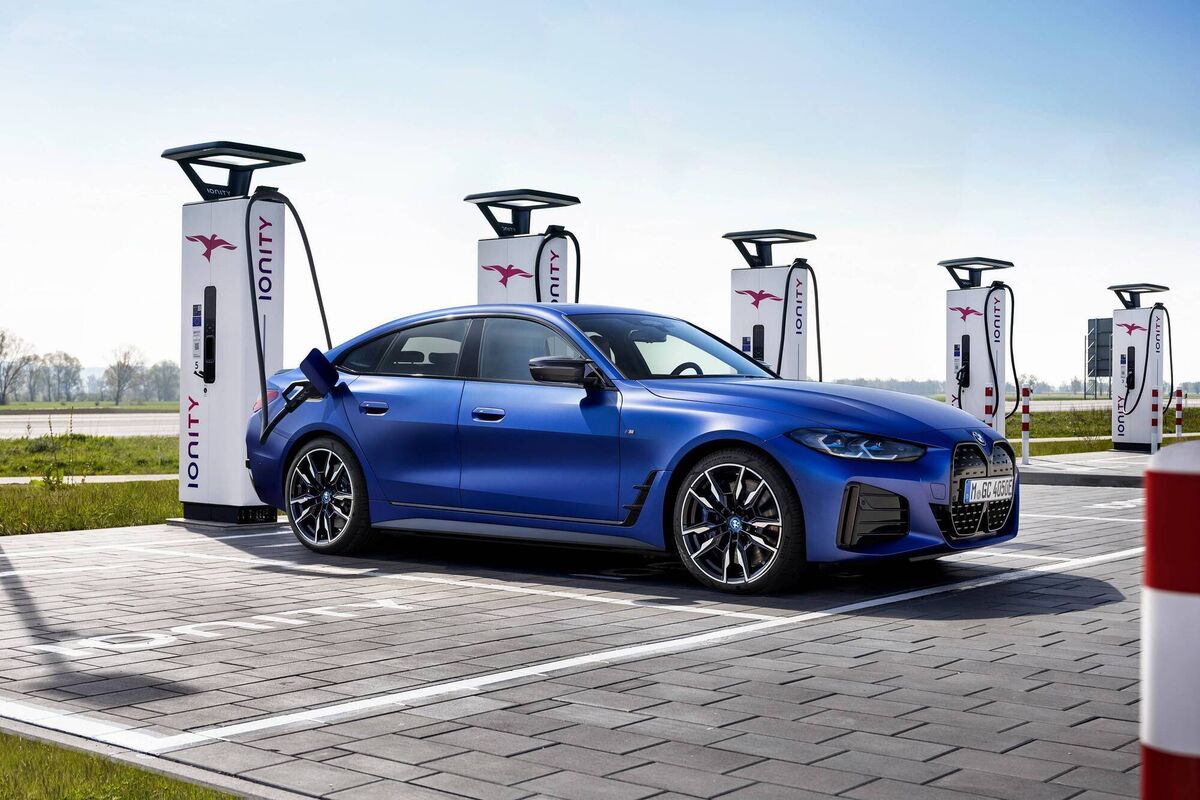
On top of all that BMW will also launch the new i4 in November and it will cost from €63,565.
Described by BMW as a new byword for sustainable sportiness, comfort and everyday usability in the premium midsize segment, the i4 is a Gran Coupé vehicle concept which combines saloon like comfort with modern functionality.
Again, there will be two models – the i4 M50 and the eDrive 40. The former will have a range of up to 510 km and the latter a range of up to 590 km. The M50 will cost €78,315.
We will have more in due course.
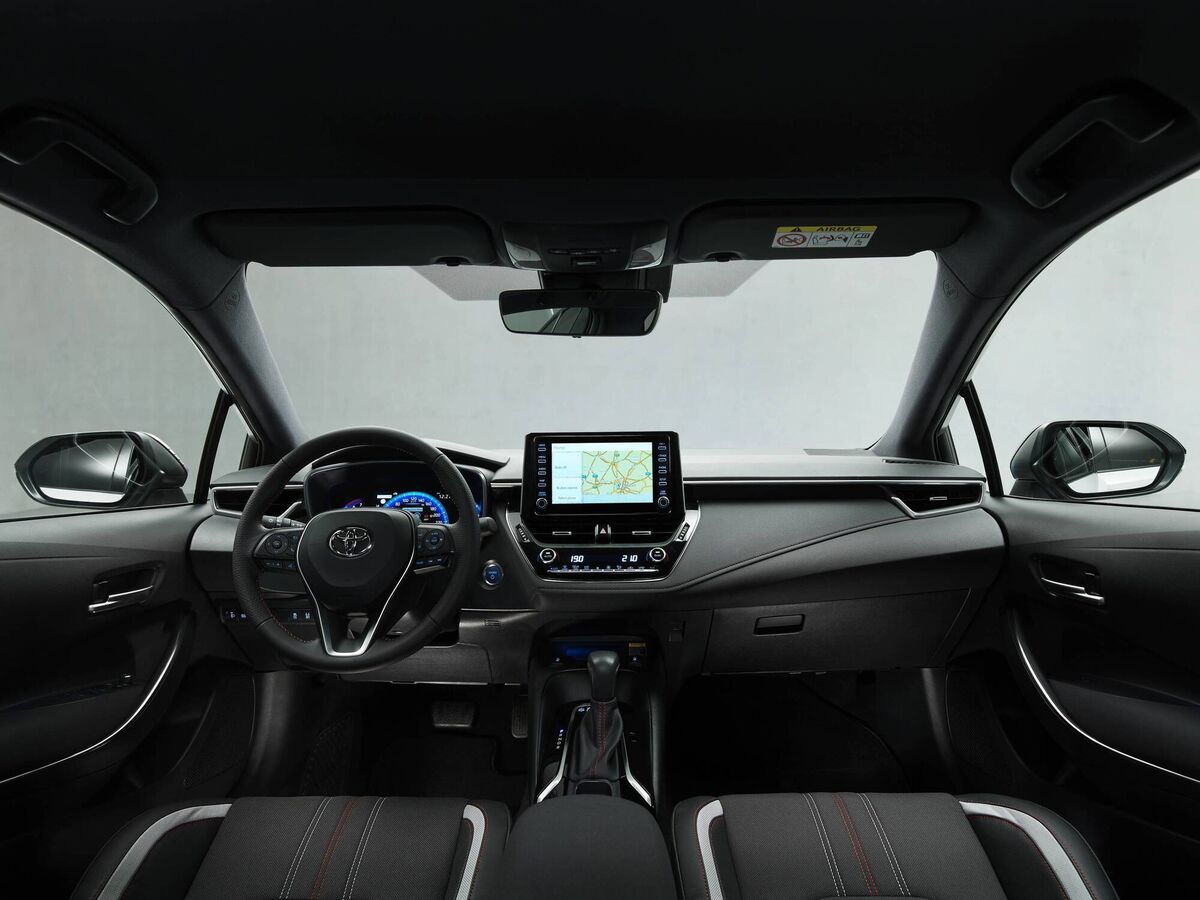
Toyota is sending its latest hydrogen engine racing in the Super Taikyu Series next month. Not independently of course – it’ll be strapped inside a Corolla hatchback, the aim being to develop a next-generation clean engine.
Because - of course - the intense pressure of competitive motor car racing is rather handy at driving creativity. Toyota says it is developing this new hydrogen engine “in an effort to move towards a carbon-neutral mobility society”.
The race engine is a 1.6-litre three-cylinder, running on compressed hydrogen sourced from the Fukushima Hydrogen Energy Research Field. Toyota aims to not only help expand the hydrogen infrastructure, but also revitalise Tohoku region’s economy.
While Toyota already builds the Mirai, hydrogen take-up is challenged by the relative sparsity of charging stations.
But, if the world’s biggest carmakers are this committed to the technology (Hyundai and Kia are taking big steps too), we might just see more of them about.
First things first though: racing. “By honing its prototype hydrogen engine in the harsh environment of motorsports, Toyota aims to contribute to the realisation of a sustainable and prosperous mobility society,” we’re told.