When's the right time to join the electric car revolution?
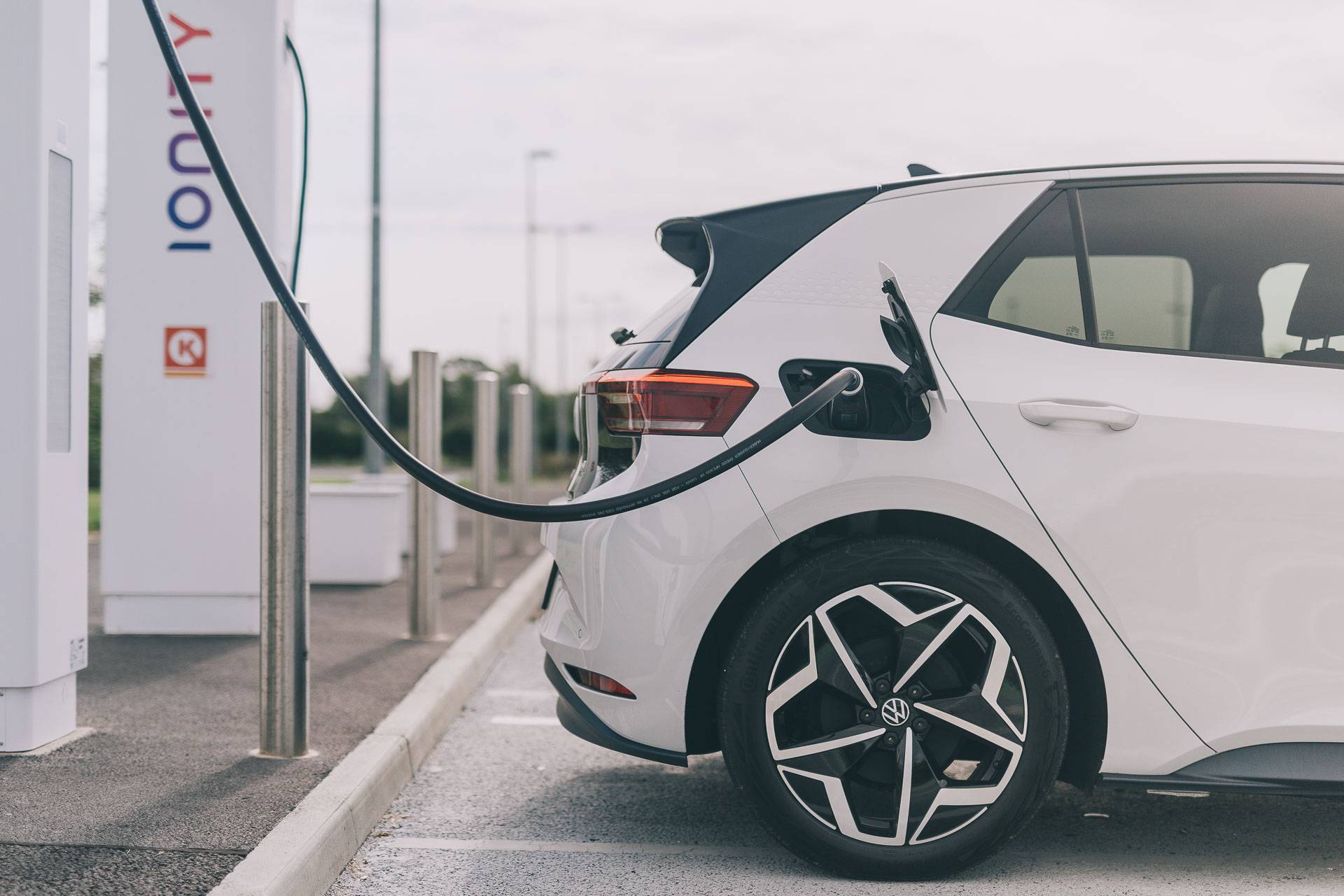
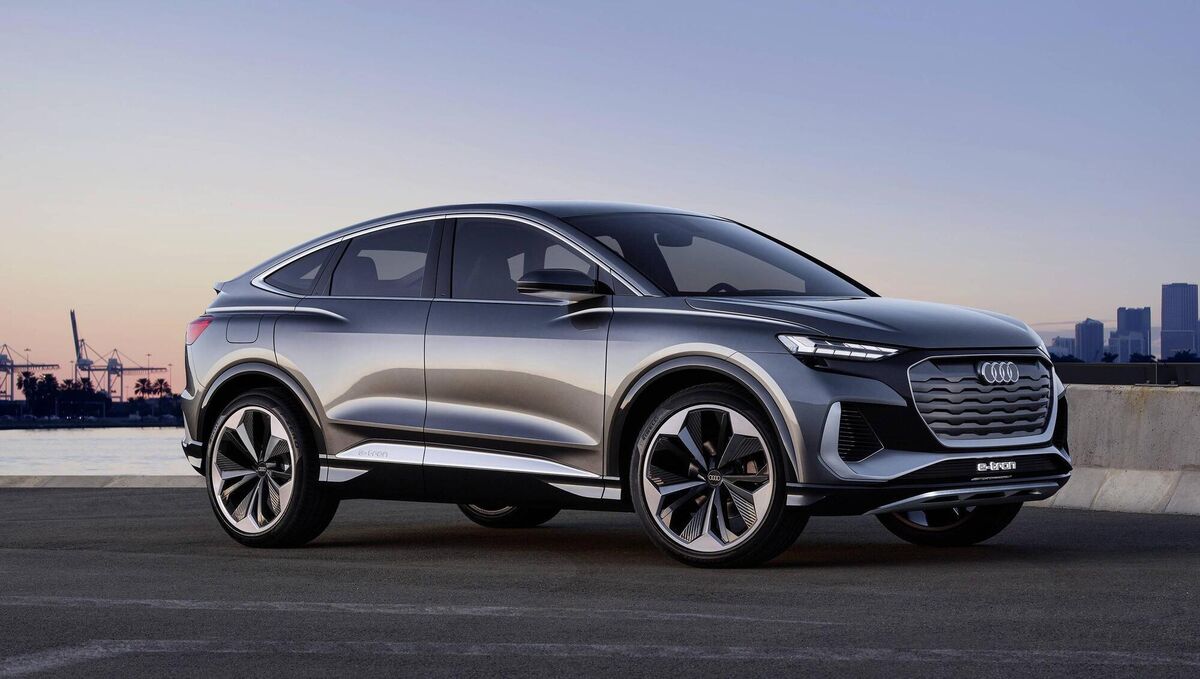
The Volkswagen ID.3 is the beginning of Volkswagen's ambitious, €33bn plan to be producing 1.5m electric cars a year by 2025.
There’s certainly a feel in the car market today that we should be going electric, or part-electric at least. But what are the practicalities? Is electrified motoring for everyone?
First things first — buying an electrified car. We mentioned mild hybrids and ‘self-charging’ hybrids last week, but only new plug-in hybrid cars and fully-electric models are eligible for grants.
The Sustainable Energy Authority of Ireland (SEAI) gives private buyers of new fully electric cars a grant of up to €5,000. There are smaller grants if the car is priced below €20,000, but that’s all but irrelevant. More importantly, from July 1, 2021, there will be no SEAI grant for cars costing more than €60,000.
From that date, the SEAI grant available for plug-in hybrids (currently up to €5,000) will reduce to €2,500, too, within the same list price- bracket limitations.
A further incentive to buy a fully electric car comes in the form of Vehicle Registration Tax (VRT) relief. VRT is payable on first registering a car in Ireland — ie when you buy a new car or import one from another country.
VRT relief of up to €5,000 is available for cars worth up to €40,000. For cars valued between that and €50,000 there is a reduced level of relief, and beyond €50,000 there is no VRT relief.
This all sounds quite complicated, but the dealers make it very easy to understand, and they will also do all the paperwork for you when you are buying an electric car. You won’t have to buy the car and then wait for the SEAI grant and VRT relief to follow on later. It is a seamless process.
Before you buy a plug-in hybrid or fully electric car, it’s worth taking a moment to consider how you’ll use it, and where you can charge it up. Very low-mileage drivers won’t need to worry about such things, as it won’t be a major problem to rely on the public charging network if you’re only charging up once a week or so.
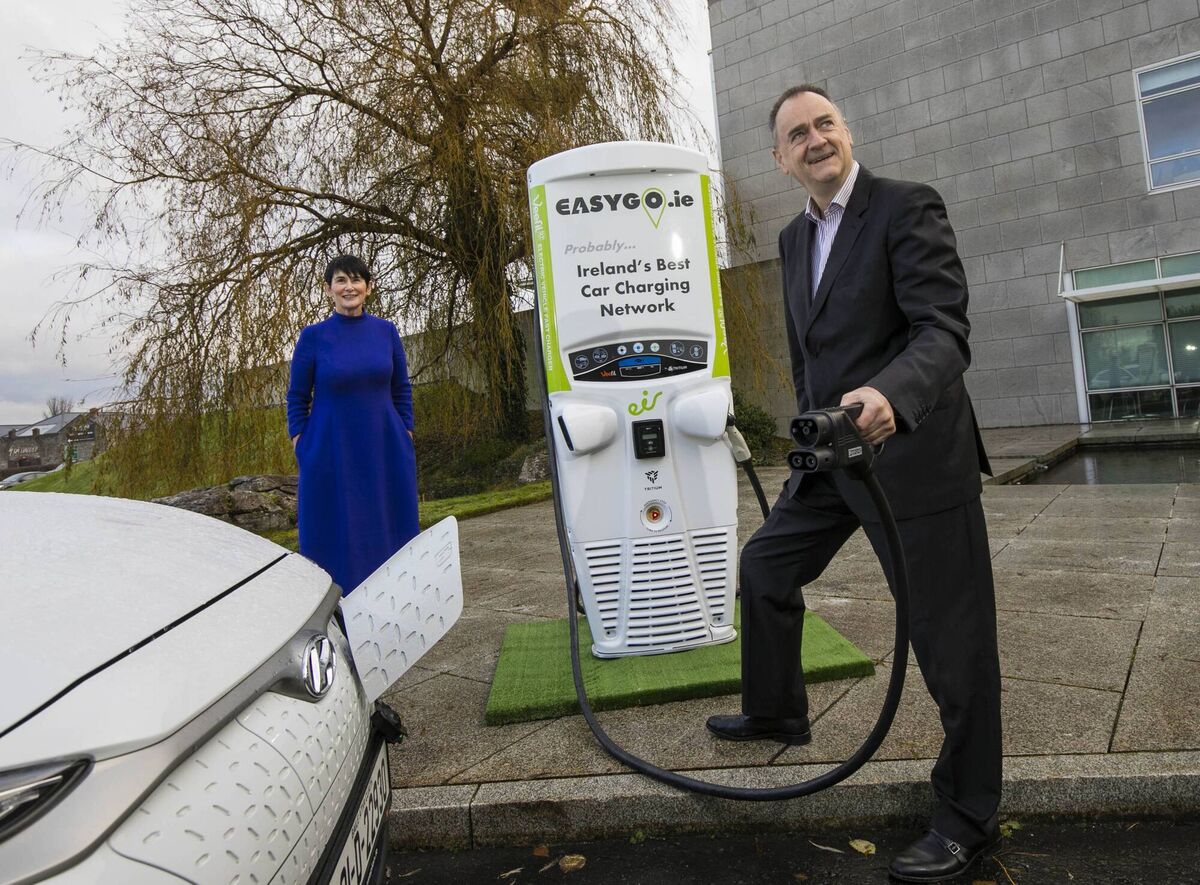
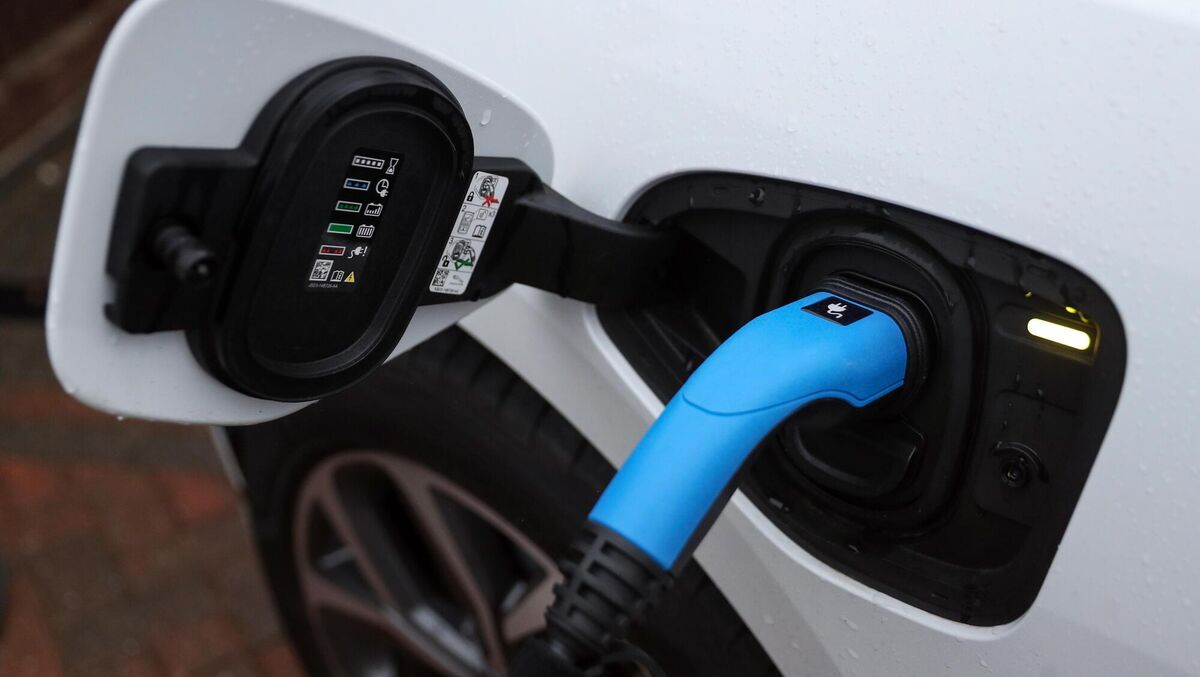
Ideally, however, you’ll have the option to install a home charger. You can get a significant grant towards the cost of that, and it makes charging up at home much slicker and faster.
You can, quite literally, plug an electric car into any domestic power socket if you have the right cable, but the rate at which it will charge up will be excruciatingly slow. A proper home charger will improve on that, though it’s still relatively slow. Most people charge up their EVs overnight at home.
Nonetheless, the public charging network, consisting of well over 1,000 charge points across the country, is improving and expanding all the time. It’s of most use when you’re travelling longer distances.
These can usually charge up an electric car much faster. Indeed, the limiting factor is often the car itself. Charging times do vary, depending on the car’s capability and that of the charger, but it’s not unusual for a rapid charger to enable an 80% recharge in about half an hour.
The ESB operates most of the country’s charge points and owners of EVs can quickly apply online for an ESB ecars account and access card. You can pay-as-you-go or subscribe for lower rates, depending on your likely usage. You’ll find that there are still plenty of free charge points, especially at motorway services.
There are premium rapid chargers, too, as part of the Ionity network, which can recharge suitable cars at a very fast rate. Access to this is by subscription. And if you have a Tesla, you’ll have access to its ‘Supercharger’ network.
If you rely solely on premium-rate rapid charging, then the cost-per-kilometre won’t look very attractive or particularly advantageous over the fuel costs of a petrol or diesel car.
For example, the Ionity chargers can cost as much as 73c per kWh if you just turn up to use them. A 50kWh top-up would therefore cost €36.50.
If the car is averaging 20kWh per 100km, that works out as nearly 15c per km. At €1.33 for a litre of diesel, and an average consumption value of say 6.0 litres/100km, the equivalent is only 8c per km.
Thankfully, few EV owners would regularly pay such rates. The most expensive rate with ESB ecars is 37c per kWh (that’s 7.6c per km with the above assumptions above), while the cheapest is 23c per kWh (resulting in a rate of just 4.7c per km in the above example). And it can be cheaper again to charge up at home.
The absolute figures here don’t matter, as the actual rate of energy consumed in an electric car varies by model, and it depends on how and where it is driven.
However, these examples do show how important it is to consider where you’re going to charge your EV up, as it’s clear that there are significant savings to be made.
Along with low fuel costs, electric cars attract the lowest rate of motor tax — currently just €120 a year — and, due to fewer moving parts, they should be much cheaper and easier to maintain and service.
Because electric cars have fewer moving parts than their petrol and diesel counterparts, there is, theoretically, less that can go wrong, so we expect them to be more reliable, in general.
Nonetheless, and despite all the warnings an electric car will give you as its battery charge gets close to zero, it’s likely that some drivers will find themselves stranded at the side of the road with a flat battery.
Unfortunately, there’s currently no equivalent to grabbing a jerrycan full of fuel in the nearest petrol station to get you going again in minutes. Instead, you’ll have to call in breakdown assistance.
Some will lift the car and bring it somewhere it can be charged, though the AA has begun rolling out what it calls Mobile Electric Vehicle Charging Units, which can quickly add enough charge to the stranded electric car at the side of the road to get it back moving under its own power.
Expect to see much more of that in years to come as the number of EVs on the road increases.