What’s the best electrified car for me?
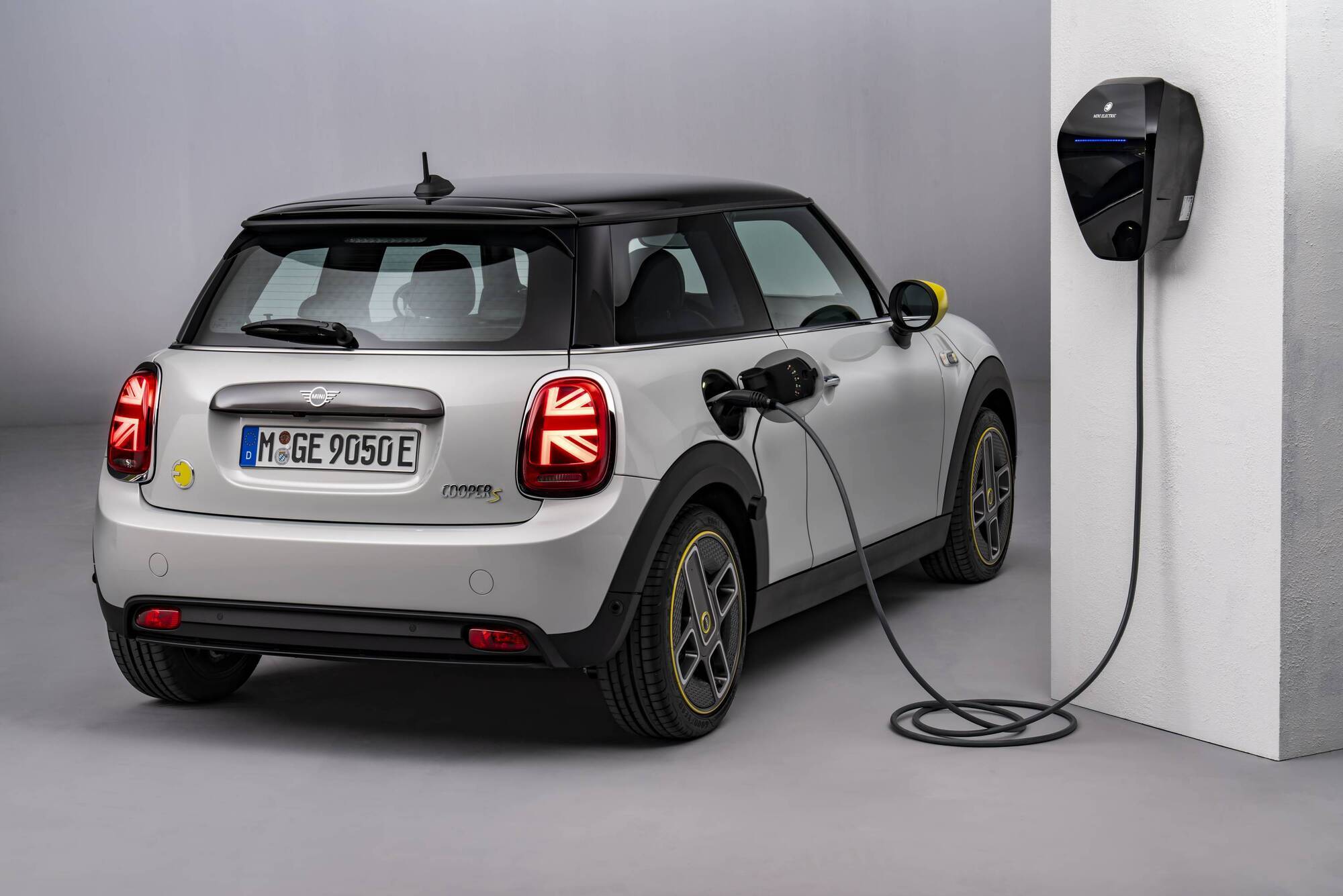
The electric Mini E: An electric car, also referred to as an EV for Electric Vehicle, or BEV for Battery Electric Vehicle, is one that operates solely on electricity – there is no combustion engine of any description on board.
Anyone going electric are often met with a bewildering number of acronyms with a whole new lingo to learn, but fear not, while there are lots of options, we can help you decide which is best for you.
Mild hybrids, sometimes abbreviated to MHEV (Mild Hybrid Electric Vehicle), come in many forms.
As the name suggests, these have a modest amount of electrical assistance for a petrol or diesel engine, but not enough to drive the car. They can be manual or automatic, too.
CLIMATE & SUSTAINABILITY HUB
Generally, a single electric motor/generator replaces the alternator and starter motor in a mild hybrid, and this can provide a little boost to the engine when needed.
Alternatively, the mild-hybrid motor can power the auxiliary systems (such as the power steering and air conditioning) to allow for longer periods where the engine is automatically switched off – e.g. coming to a stop or coasting at higher speeds.
These systems usually use a 48-volt battery.
Some car makers label their cars ‘Hybrid’ even though they are mild hybrids, while others don’t outwardly flaunt the tech at all.
Mild-hybrid technology does enhance overall efficiency without the owner of the car having to change anything about the way they drive or fuel up, but it generally makes for small improvements.
The term ‘self-charging’ was coined by Toyota to make it clear to buyers that its hybrids don’t need to be plugged in. Many car makers produce this type of car, also referred to as a Full Hybrid Electric Vehicle (FHEV) or simply Hybrid Electric Vehicle (HEV).
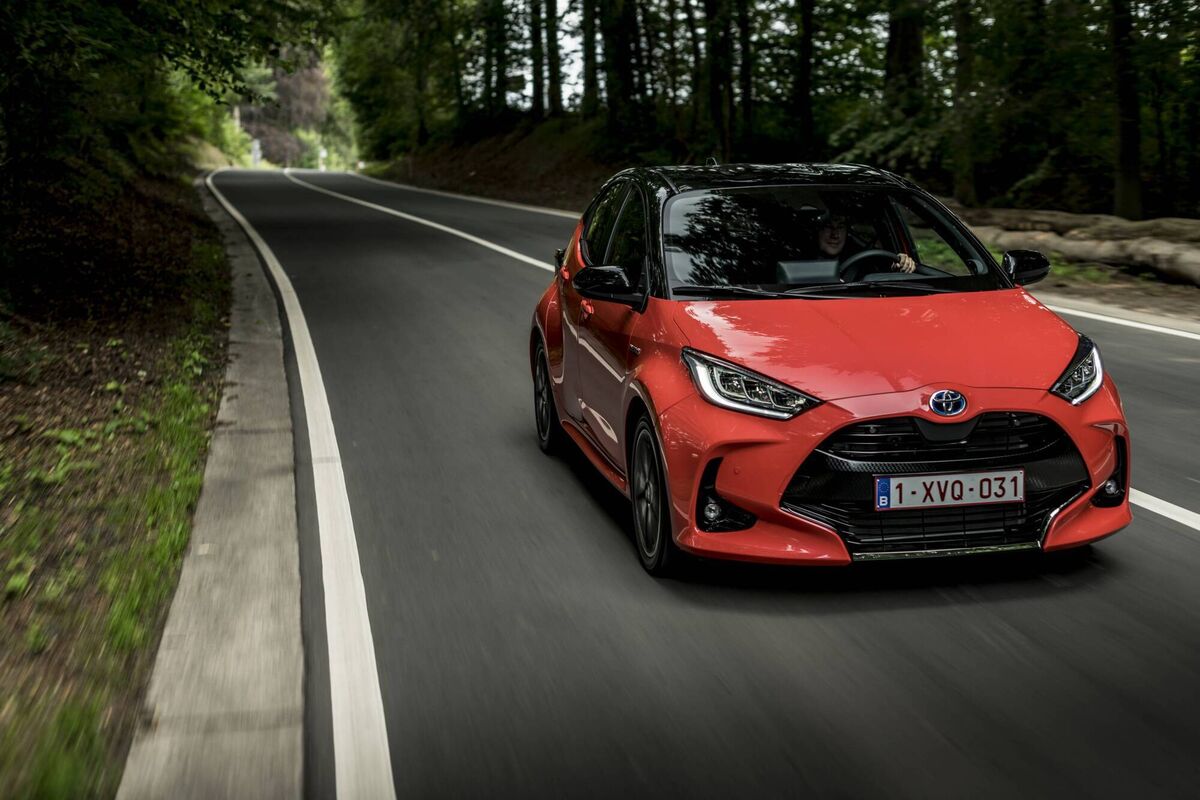
Although there are different setups that come under this umbrella, a full hybrid is essentially one that can drive on engine power, electric power, or a combination of the two. All modern ‘self-charging’ hybrids are automatic.
It should be noted that most of these hybrids operate on purely electric power for relatively short periods at a time, as they have modestly proportioned battery packs.
Nonetheless, they usually have their engines turned off when at a standstill, and they often move away from rest using electric power.
For that reason, they are particularly effective in an urban area, reducing air pollution.
Though full hybrids can be very efficient in the right conditions, it should be noted that more or less all of their energy comes from the fuel that is put in.
A small amount of energy can be recovered while slowing down, which is called regenerative braking, though it’s worth bearing in mind that the car uses energy to get up to speed and sustain it in the first place, so that’s rarely ‘free’ energy.
Hence, these hybrids are not usually very economical at a high-speed motorway cruise on a long journey, as there are limited opportunities for the battery pack to be charged up without using the engine to do so.
Full hybrids offer an easy ownership experience and are best for those that spend most of their driving time at slower speeds.
Plug-in hybrids (also referred to as PHEVs – Plug-in Hybrid Electric Vehicles) are the real steppingstone between regular combustion engined cars and fully electric.
They are similar in setup to a full hybrid, with an engine and at least one electric motor. Plug-in hybrids use automatic gearboxes only.
However, plug-in hybrids generally get a more powerful electric motor than in a ‘self-charging’ hybrid, and a larger capacity lithium-ion battery pack.
This setup allows plug-in hybrids to travel much further and much faster on purely electric power.
In fact, all of the new plug-in hybrids can easily exceed 120km/h without using their engines and, on official tests, can usually surpass 50km on electric power.
That electric-only range contributes to incredibly low official emissions and fuel consumption figures.
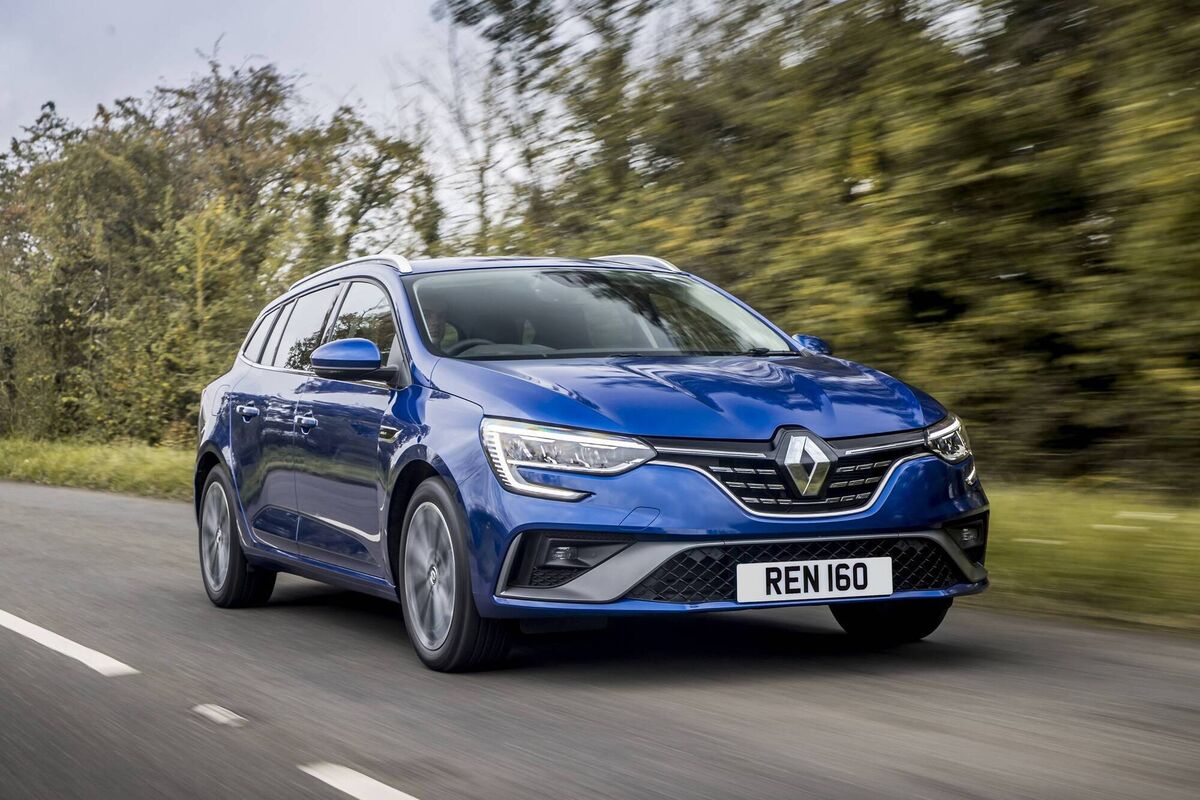
Nevertheless, buyers need to manage their expectations on this front, as, to maximise the economy of a plug-in hybrid, it must be plugged in to an external source as often as possible, to keep the battery pack charged up.
Hence, as tempting as the low annual motor tax rate is (most plug-in hybrids cost just €140 a year to tax), these cars make no sense if you can’t easily plug them in at home or work – or preferably both.
These models can make great use of regenerative braking, recovering otherwise lost energy when slowing down.
While all plug-in hybrids have a mode that allows the battery pack to be charged up on the move by the engine, this is an incredibly inefficient way of doing things, drastically increasing fuel consumption.
Driving a plug-in hybrid without charging the battery up from an external source is, of course, possible, which is a huge benefit to this type of car over and above a fully electric vehicle. On a long journey, for example, a plug-in hybrid can be refuelled in a service station in minutes.
Long journeys do not show plug-in hybrids at their best, however, as, once the battery charge is used, it is, effectively, a heavier petrol or diesel car.
Plug-in hybrids suit those that can regularly plug the car in and cover short distances for the most part, but still want the convenience of quickly filling up a tank of fuel for occasional longer drives.
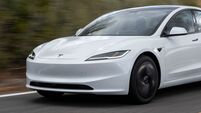
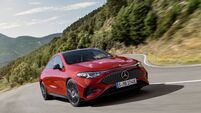
This is an easy one to comprehend. An electric car, also referred to as an EV for Electric Vehicle, or BEV for Battery Electric Vehicle, is one that operates solely on electricity – there is no combustion engine of any description on board.
An electric car is also relatively simple, in that it has an electric motor (some EVs have several motors), a battery pack and an automatic gearbox. In fact, most just have one gear.
That’s because of the nature of the performance from an electric motor, which also makes electric cars, even the least powerful ones, feel nippy around town.
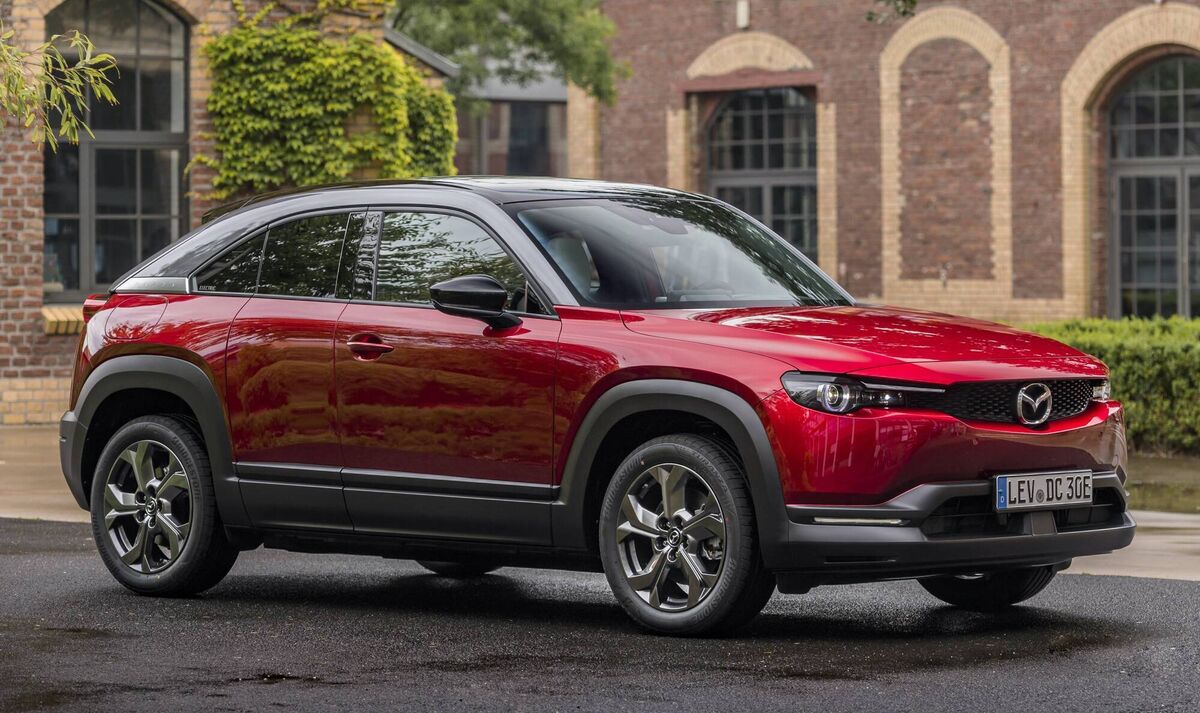
Not so long ago, electric cars were purely for urban use, but they’ve improved massively over the past couple of years.
It is still possible to buy an electric car with an official range of less than 300km, but more and more are being launched with upwards of 400km, and in the next two years we are likely to see some models top 800km on a fully charged battery.
That means electric cars are suitable for more drivers than ever before. Though it is worth bearing in mind that the official range of an electric car will not be achievable at higher speeds.
Hence, only the most expensive models with the highest electric ranges are suitable for frequent long days on the motorway. And, the higher capacity the battery, the longer it takes to charge it up.
Most buyers of an electric car won’t expect it to do that, and most will also have a home charger so the car can be charged up inexpensively overnight.
* Next week - Going electric - how practical is it?