'Plug-in hybrid has very clear potential' says Toyota executive
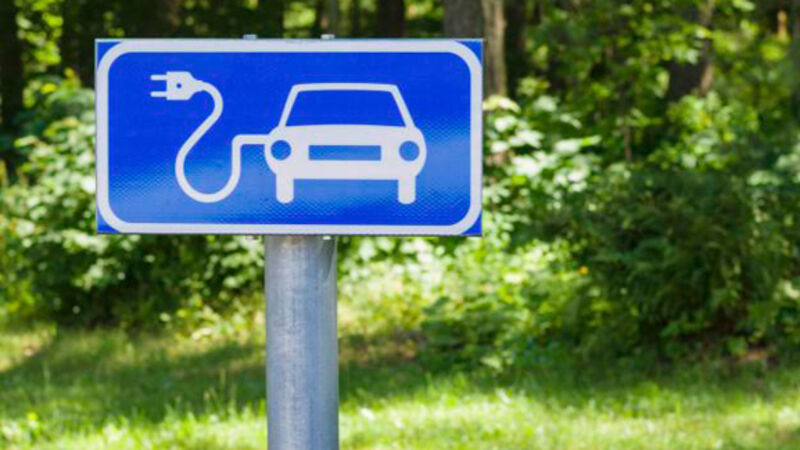
Discussing future powertrains, Toyota’s product communications boss, Fabio Capano said electric vehicles (EVs) would only be worth using “in environments with renewable energy”.
He also said that large-scale uptake would increase demands on a country’s infrastructure and electricity production.
“When you have a few Teslas charging, it’s one thing,” said Mr Capano. “But when you have lots of cars that need charging, that’s another story.”
However, Mr Capano believes infrastructure is only one of the barriers preventing electric vehicles from becoming mainstream, citing the cost of battery development and production as a further obstacle.
“EVs are simple and Tesla has contributed strongly to the awareness of electric cars, but battery costs are an issue,” he said.
Despite these problems with fully electric cars, though, Mr Capano thinks that plug-in hybrids, which combine an electric powertrain with a more conventional internal combustion engine, will become a key sector of the market over the coming decades.
“Plug-in hybrid has very clear potential,” he said. “When it can become mainstream is the big question mark. The way we see it, what we put on the market has to be sustainable. When it’s going to happen, I don’t know. It depends when battery costs fall.
“In our vision of 2050, we see plug-in hybrids representing a big part of the market, along with hydrogen fuel cell vehicles.”
With the introduction of the Mirai at the end of last year, Toyota is clearly backing hydrogen to be the fuel of the future, but Mr Capano is candid about the fuel’s limitations.
“Fuel cell technology is closest to concept of a true eco car, but it needs infrastructure and that takes time,” he says. “Just as EVs only make sense in environments with renewable energy, you can only can do hydrogen when you make it with renewable energy.”