In which direction will car of future go?
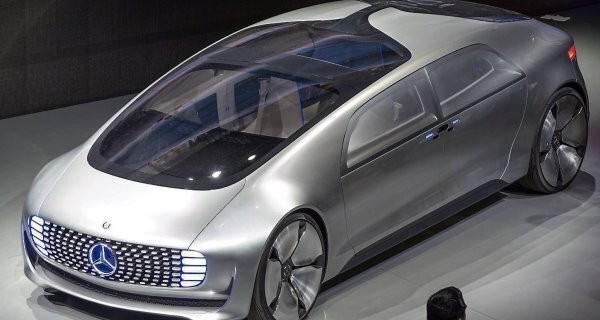
The autonomous vehicle technology sector is in a turbulent stage, akin to the ‘Betamax versus VHS’ debate. Standards are not yet defined, winners and losers are not decided and the major players disagree about the best way to bring safer, smarter cars to market.
Consider contrasting visions of the car of the future: these were outlined at the Consumer Electronics Show in Las Vegas, this week, by Mark Fields and Dieter Zetsche, the chief executives of Ford and Mercedes, respectively.
Ford’s approach, Fields says, is to focus on connecting cars and their drivers to the mobile web, with apps as the building blocks, and develop sensors and software that will enable autonomous vehicles in the next decade. Ford wants to develop affordable technology.
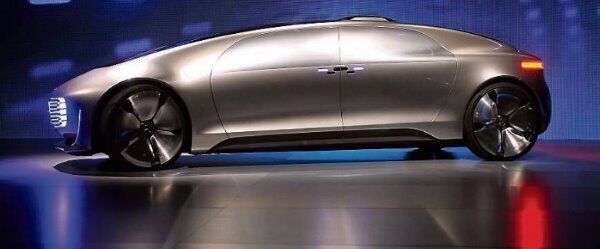
Mercedes has a different idea, one worlds apart from Google, which has jolted the automotive establishment with its high-profile effort to develop a self-driving city car.
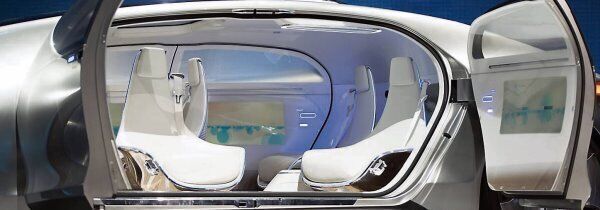
Zetsche presented a futuristic Mercedes prototype that could drive itself while passengers used hand gestures to call up information about restaurants or to receive invitations to parties.
Where Ford wants to make autonomous cars for the ‘everyman,’ and Google envisions cars as pod-like appliances, Mercedes’s robotic driving set its premium cars apart.
But Zetsche said Mercedes could extend the self-driving concept to tiny ‘green’ cars, such as its Smart EV, or into car-sharing programmes, such as its Car2Go enterprise — potentially challenging Google in that sphere.
“I hope you will still recognize us as being the inventor of the car,” Zetsche said. “But we should be defined by our future, not by our past.”
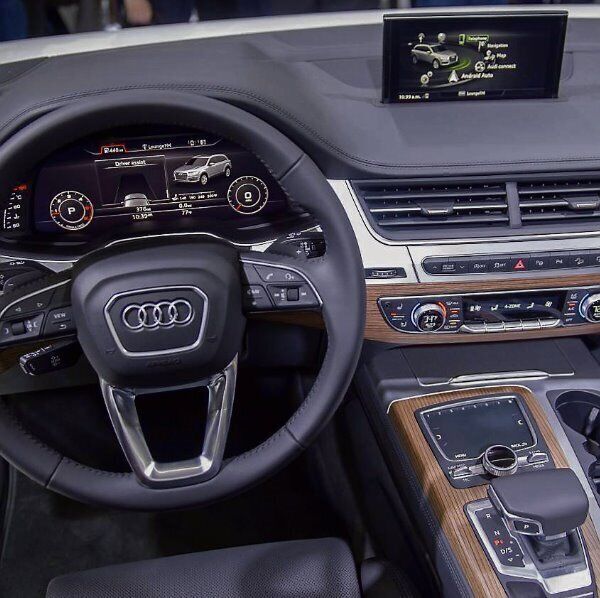
The urgency among the companies to profit from connected vehicle technology, including the hardware and software required for automated driving, is increasing.
Several carmakers, including Mercedes, General Motors and Audi, have said they want to have vehicles capable of significant levels of hands-free driving on the road between 2016 and 2020.
That means contracts to supply hardware and software need to be signed now.
Chris Urmson, the head of Google’s autonomous vehicle project, is scheduled to speak next week at an industry conference in Detroit, to send the message that Google wants to forge partnerships with traditional carmakers and suppliers to get its technology on the road.
Research firm, IHS Automotive, has estimated that self-driving car technology will have added €25bn in revenue to Google by 2040.
It is not clear if carmakers and traditional technology suppliers will welcome Google and other Silicon Valley companies muscling in on their customers.
Volkswagen, for example, announced at CES that it has partnered with Google rival, TomTom, to provide mapping data for its vehicles.
Accurate maps are critical for autonomous driving, and they also provide richer information to drivers based on their location.
Investors are betting that whatever happens, the status quo will be upended. Enthusiasm is high for companies positioned to benefit from increased automation and digital connectivity — including ride-sharing companies such as Uber, which aim to revolutionise traditional car ownership.
Valuations for some technology upstarts in the car sector have soared above many of the industry’s stalwarts.
“You will see the old guard lose its (share price) multiples and the new guard valued at crazy levels,” said Cathie Wood, chief executive of Ark Investment Management LLC, which invests in shares of companies it believes will benefit from the growth in connected and autonomous vehicle technology.
The traditional car sector is also investing heavily to avoid being eclipsed.
“It’s protecting our future,” said Tim Yerdon, vice-president of Visteon’s connected services.
“We have to play in it one way or the other.”






