I spent a weekend in Granada and found a city rich in culture, history, and so much food
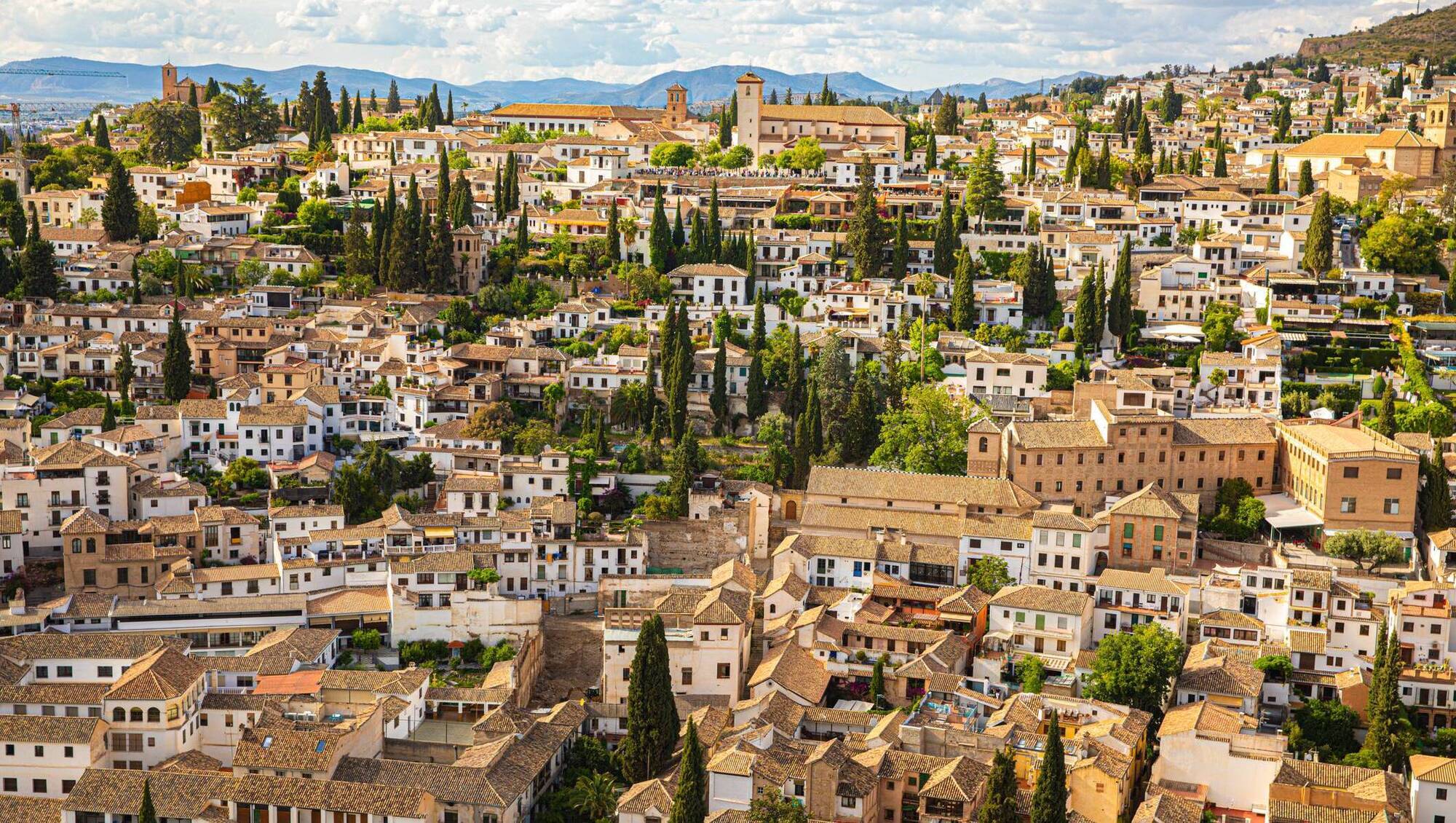
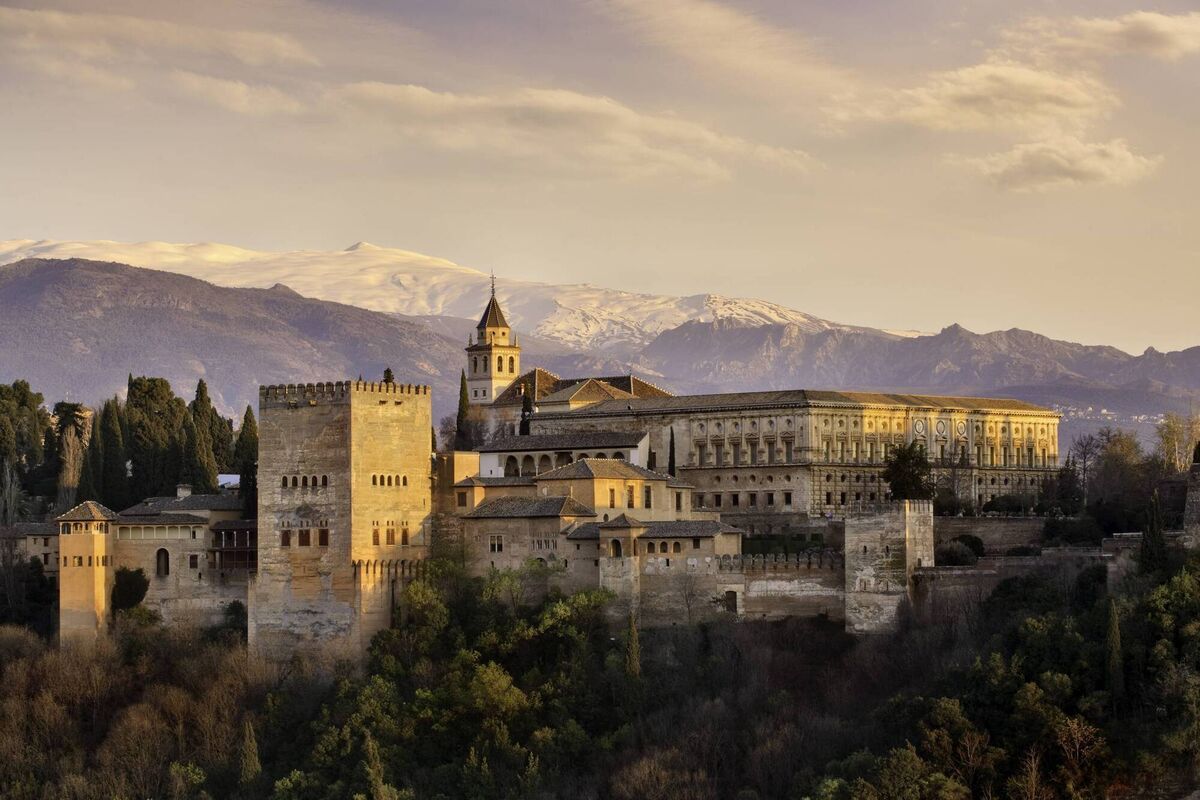
The historic Albaicín neighbourhood with its terracotta rooftops, whitewashed houses, and cypress trees.
The first sign of the city’s Moorish history is the Puerta de Elvira that I pass on my way from the bus station. Its ochre hue dazzles the eye against the cement skies that have been crying for a month; it’s raining in Granada.
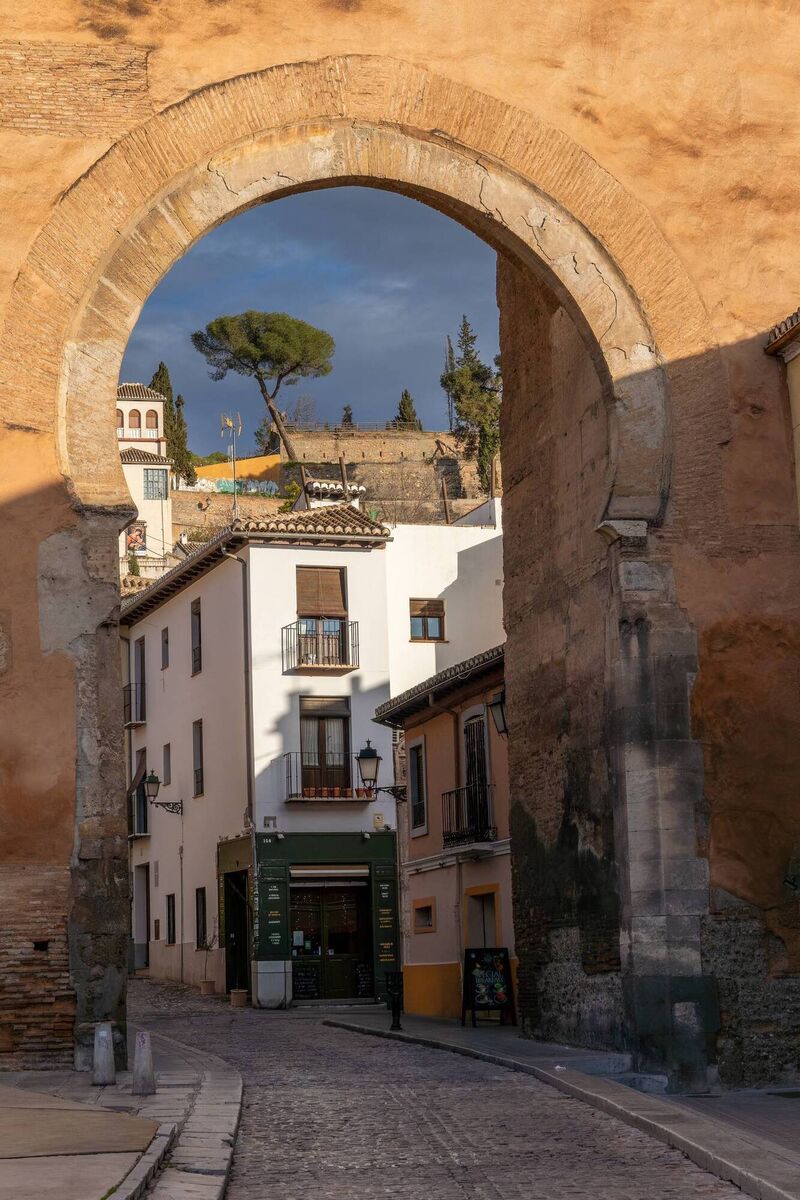
Next to the Puerta is a cafe with floor-to-ceiling windows, a corresponding opening that draws me in. Here it is dry, peaceful. Jerusalem Books Cafe is filled entirely with students — a demographic whose judgement I trust. In the corner, branches of an olive tree reach up to converse with the crystal chandelier. I order the Palestinian breakfast. Next to me, two students study a Spanish-to-Korean textbook. I work on my own translation while waiting — a piece of advice written in Finnish from my neighbour on the bus.
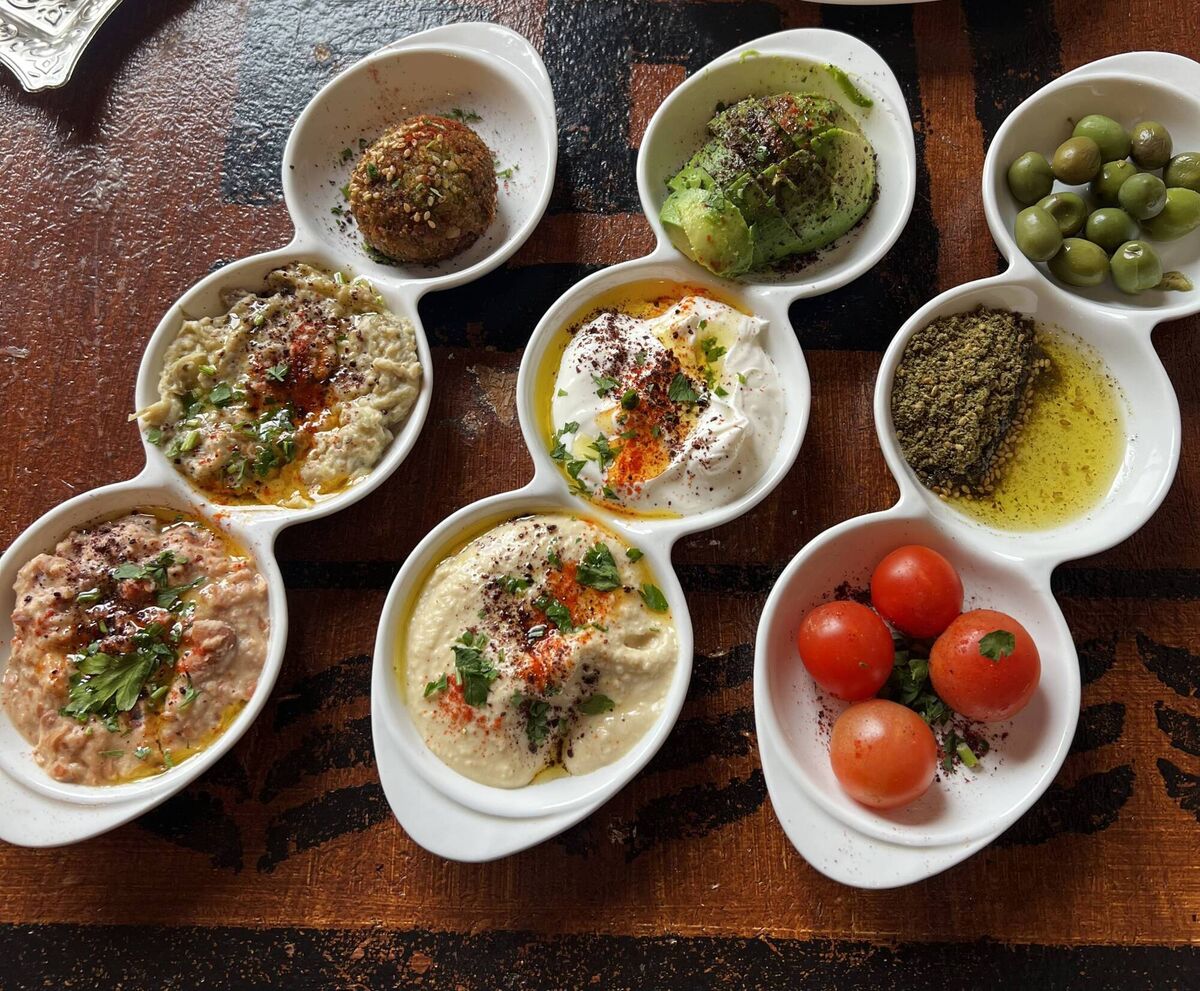
My food arrives. Nine dishes: falafel, babaganoush that’s still warm, favas that are partly crushed, ripe avocado, thick yogurt, ivory hummus, cherry tomatoes, a pile of green olives, and little hill of za’atar surrounded by a moat of olive oil. Everything is topped with chopped parsley, paprika, and sumac, the rosy tones of the latter two making everything look as though it’s been dusted in something magic. A small basket of flatbread comes in lieu of utensils, and I know that I’m in for a breakfast to remember.
After dumping my bags in my hostel room and purchasing a janky umbrella, I meander across the paved roads in search of the pebbled ones. The Albaicín is the city’s most alluring neighbourhood, hilly and completely devoid of parallel lines. The tiny streets — some of which are so narrow I have to close my umbrella — are laid as though forged by a dog following the scent of a scampering rabbit.
I follow the rain streaming down the roads. The whole of Granada is visible below me, the edges of the city seeping into the clouds that have sunk beneath the mountain tops. An engraved archway catches my eye, and I step through it, entering a beautiful courtyard that is broken up by flowering trees.
There’s a small wooden panel at the back of the courtyard, sitting beneath a cross. I examine it, noticing a small bell. I ring it. Nothing happens, so I ring again. It’s moments like this where being curious pays off — the panel cracks open, revealing a rotating shelf. A woman’s voice issues from within — a nun from the Royal Convent of Saint Isabel.
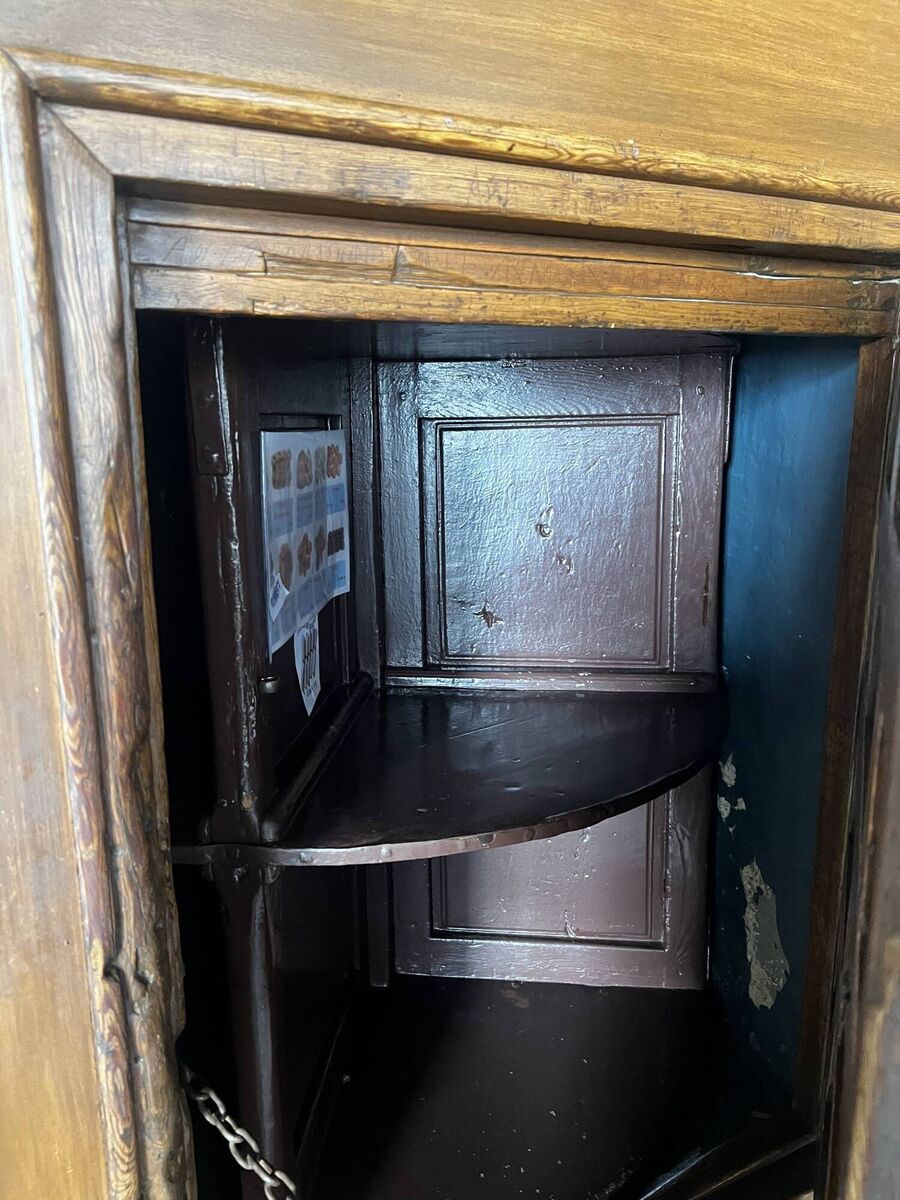
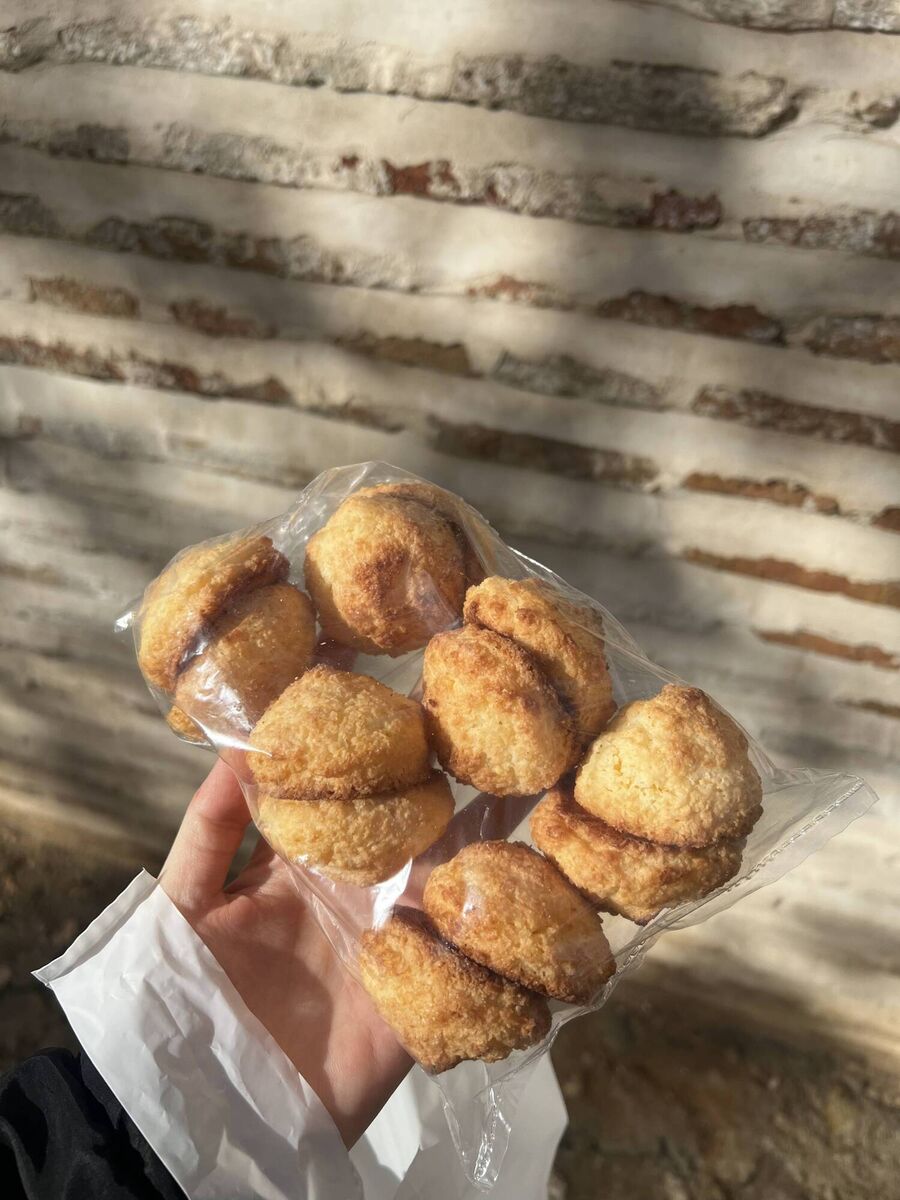
After a confusing exchange that reminds me I need to keep practising Spanish, the shelf rotates and a plastic bag appears. Five euro, says the faceless nun. I place the note on the shelf, which swallows up my money. The bag is bulging with homemade coconut macaroons; sweet, slightly chewy. I shake my head and laugh.
The cloudy sky is darkening; evening has arrived. In Spain, that means it’s time to start drinking. And in Granada, a fantastic place to shelter a glass of white is up in these hills. Cueva la Faraona is one of the Flamenco caves in the Albaicín. I’m first to arrive, so I chat with the guitarist, David, who has a ponytail longer than mine and a half-rolled cigarette in his calloused hands.
I mention wanting to learn flamenco guitar, and he offers me a lesson — confirming that I’m in the right place. Here, it’s not just a show. It’s a conversation between performer and viewer. Our glasses get filled with wine, David’s cigarette gets stowed behind his ear, and the music begins.
The guitar is enchanting, full of dissonance and surprise. Another man sings into a microphone, which is hardly necessary — his voice is powerful enough to reverberate through the cave and full of something that cuts deeply into my chest. Though I can’t understand the words, the message of passion, sorrow, and resilience is clear.
A collective, unfinished story. A woman arrives, with flowers in her hair and a long dress; she’s here to dance. She moves slowly, seriously, her hands clapping, her feet striking the floor. When she spins, her dress expands magnificently, engulfing the cave in black and white polka dots, and the men across from me have to snatch their wine glasses from their table before they get swept away by the vehemence of it all.
One of the many bewitchments of Granada is that drinks come with tapas included in the price. Bar Poë is my first stop post-flamenco. I chat with Matthew, the bartender and owner — a Brit who came to Granada on holiday 20 years ago and never left. Wednesdays are usually busy, Matthew tells me. But, you know, it’s been raining for a month. So, tonight, it’s just me and a handful of regulars, one of them Regina, an old woman in a fabulous scarf, who tells Matthew to stop her at three beers; she’s got an early start tomorrow.
Bar Poë is colourful, cash only, and rumbling with reggaeton. Here, you can choose your free tapas — I pick the spicy chicken livers. Saucy, rich, and certainly spicy, a welcome balance to the cool beer that I drink, which turns into a glass of red wine, which turns into another beer.
Regina slips out for a cigarette but is back within 60 seconds, having smoked so fast it was as though she were back in the schoolyard hiding from the teachers. She swoops upon Matthew as she re-enters. “How many did I have?” Matthew chuckles. “Three,” he says. “Like you told me.” Regina hands over some coins and is out the door, tightening her scarf against the 2am downpour, announcing that she’ll be back tomorrow. And I can’t help but think that if I lived here, I too would be back most nights. Bar Poë is that kind of place.
It's already lunchtime when I wake up the next day, so I haul myself out of bed and straight to Restaurante Jerusalén, a Palestinian take-out spot (yesterday’s breakfast has made me hungry for more). It’s a tiny place but a crowd is tumbling out into the street despite the consistent rain. The man taking orders is jovial, joking around with the customers and asking about their preferences (say yes to the salsa blanca). Maps of Gaza hang on the walls, and Palestinian sodas are stacked in a mini fridge.
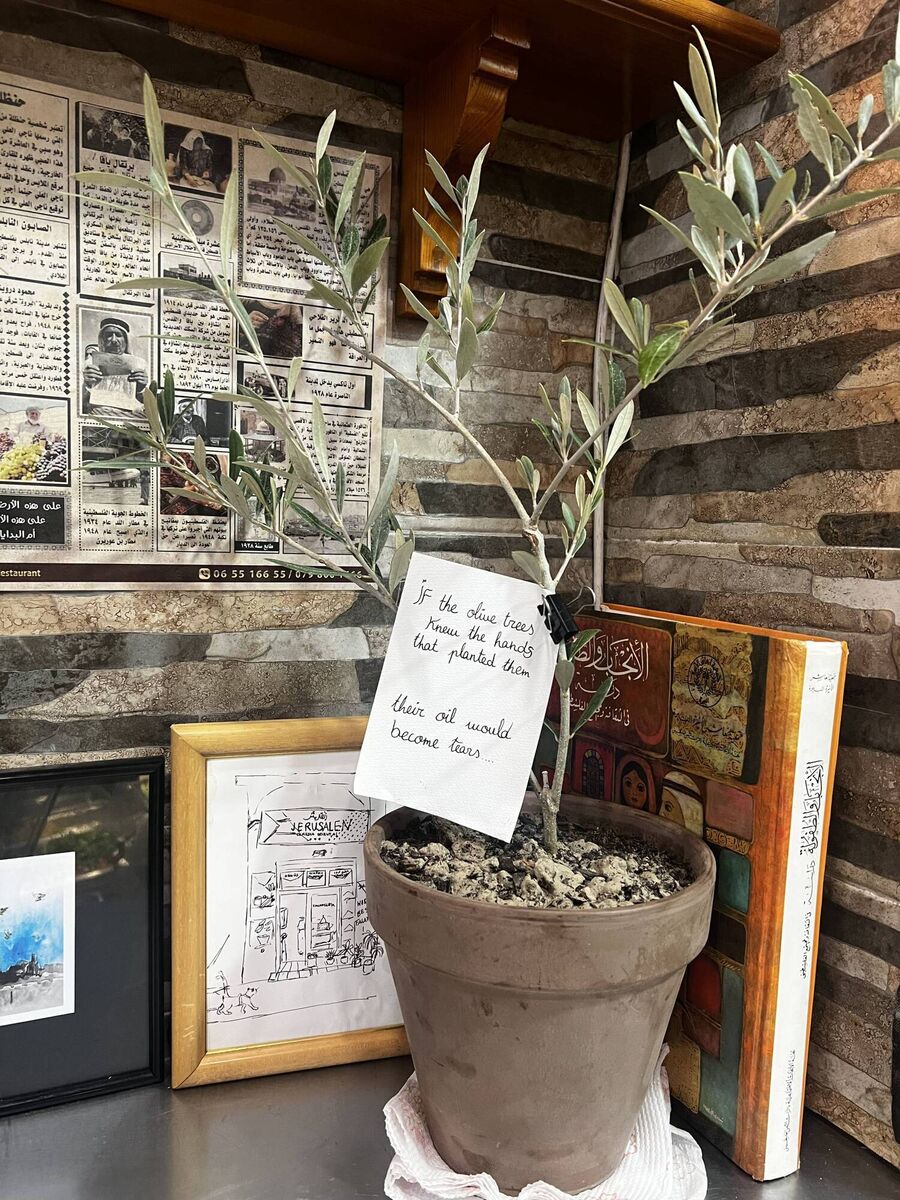
My eye is drawn to a potted olive tree that sits on a shelf. A handwritten note is tied to the fragile trunk. It reads: If the olive trees knew the hands that planted them, their oil would become tears.
I order the falafel plate, and the man immediately turns and starts scooping spoonfuls of batter into a falafel baller. After about five minutes, six steaming falafels are huddled together on a pillow of hummus, alongside a generous serving of chopped salad, a dousing of the garlicky salsa blanca and a fiery line of hot sauce.
In a sheltered alley nearby, I break through the nutty falafel crust. The interior is pistachio green and billowing with clouds of fragrant steam — the most delicious falafel I have ever eaten. I marvel at the junction of cultures that are the pillars of Granada.
Most people bar hop in Granada but I prefer to stay in one spot and get to know it. I sit at the stainless steel bar of Bultaco Bar, which is a few minutes out of the centre and, therefore, overlooked by tourists.
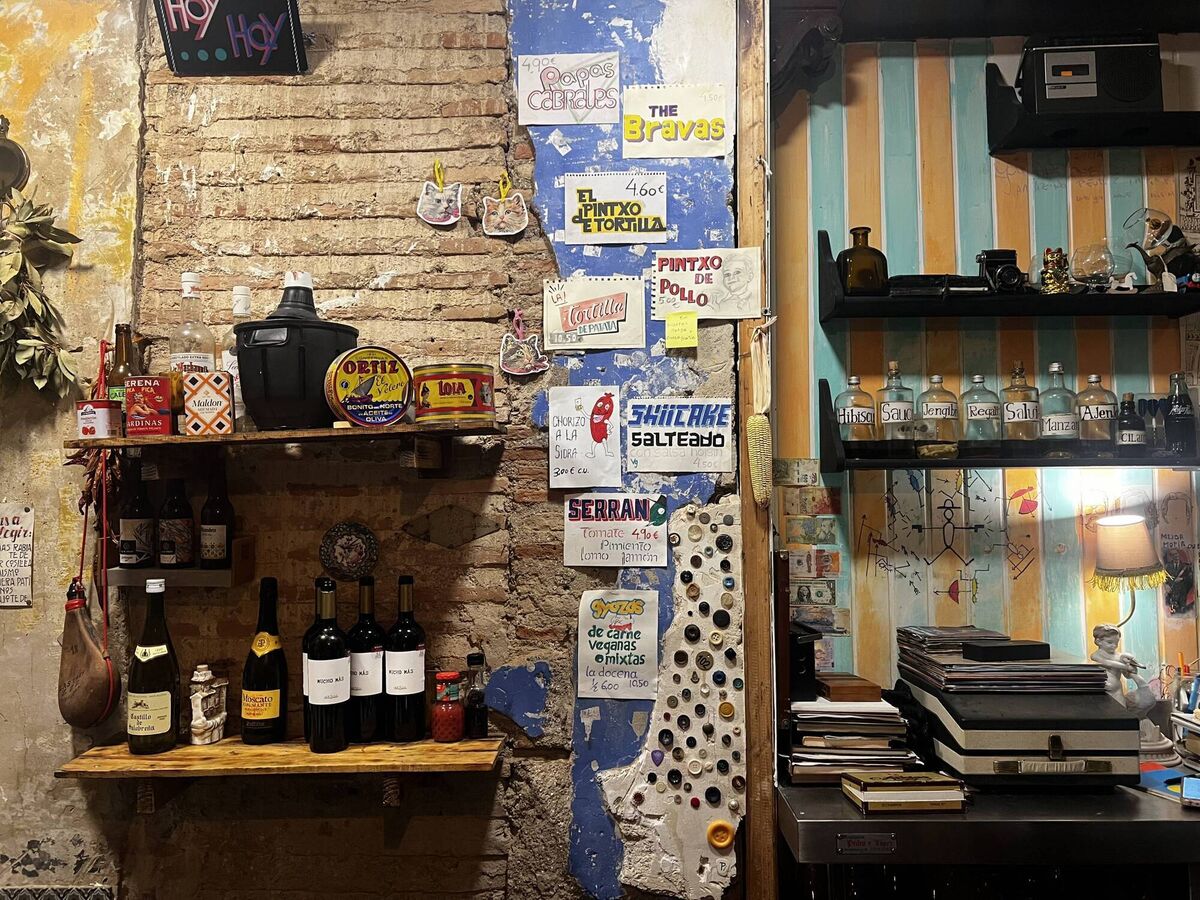
I’m enraptured by the bartender; an old man with a scraggly beard and hoop earring who looks like a washed-up pirate, wearing a denim flat cap and apron to match.
He opens beers with a massive knife. ‘Me gusta su… hat,’ I say. He blushes and smiles. It’s the only time I see him smile but he evidently loves what he does. Bottle caps soar through the air as he whisks in and out of the kitchen, handing out tapas.
I order the vermut, which comes from a barrel in the corner. The drink is the same oaky colour as its vessel, served with a slice of ginger. It’s sweet, complex, and smoky.
A dish of fried potato with melted cheese and walnuts accompanies my drink. Others get bowls of tomato-ey broth with meatballs, or grilled mushrooms with more melted cheese and a sneeze of black pepper.
The only language spoken here is Spanish. I sip my vermut, writing in my notebook, feeling like I’ve stumbled upon the real city. A city that reverberates with culture, with dance, with history, with food and drink. With pomegranates hidden in every aspect of the architecture. With travellers that come for a weekend or a lifetime. With crumbling paint of orange and pink. With rushing rivers and mountains that cast long shadows.
I flip back a few pages in my notebook to read the advice from my Finnish friend that I translated the day before: Make decisions that will keep your life interesting... but I’m not worried about your life becoming boring — you are sitting alone on a bus that’s headed to Granada.
- There are direct flights to Málaga from several parts of Ireland, including Dublin, Cork, and Galway.
- Granada is just over an hour-and-a-half drive from Málaga airport.
- If using public transport, you can take a direct Asla bus or take a train with one change in Málaga city centre.

CONNECT WITH US TODAY



Be the first to know the latest news and updates