Lisbon: Budget or splurge, jam-packed or relaxed, how to do 'Europe's San Fran' in a weekend
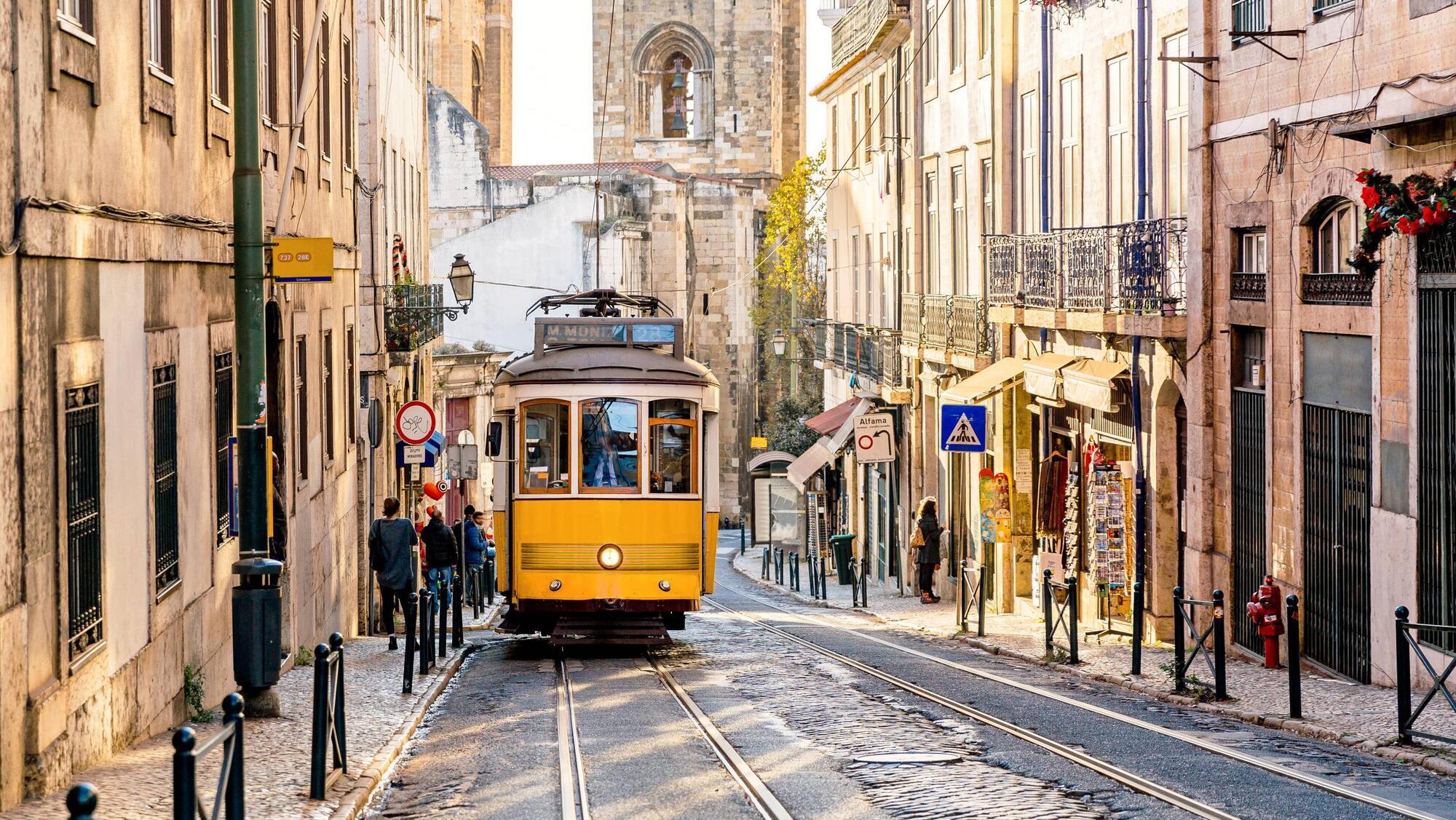
Lisbon has much to offer for a citybreak. Picture: Getty
During my three-day rendezvous with Lisbon, one phrase kept cropping up in chats with locals and tourists alike; ‘Europe’s San Francisco'.
The descriptor has been around for a while, but with Portugal's sunny capital now deemed one of the best places in Europe to live as a digital nomad, the sense that the city is place to be is only growing.
Over the past year, my Instagram feed has been littered with posts from this increasingly popular city destination. Groups of friends are delighting in Bairro Alto’s speakeasies, solo travellers are hopping on the iconic yellow Tram 28 and freelancers are taking advantage of the post-Covid embrace of the digital nomad life sharing snaps of their Macbooks next to pastel de natas.
I admit it, I was #influenced. So, when an email landed in my inbox asking me if I’d like to check out a new hotel in the city, I had flights booked before I’d even replied.
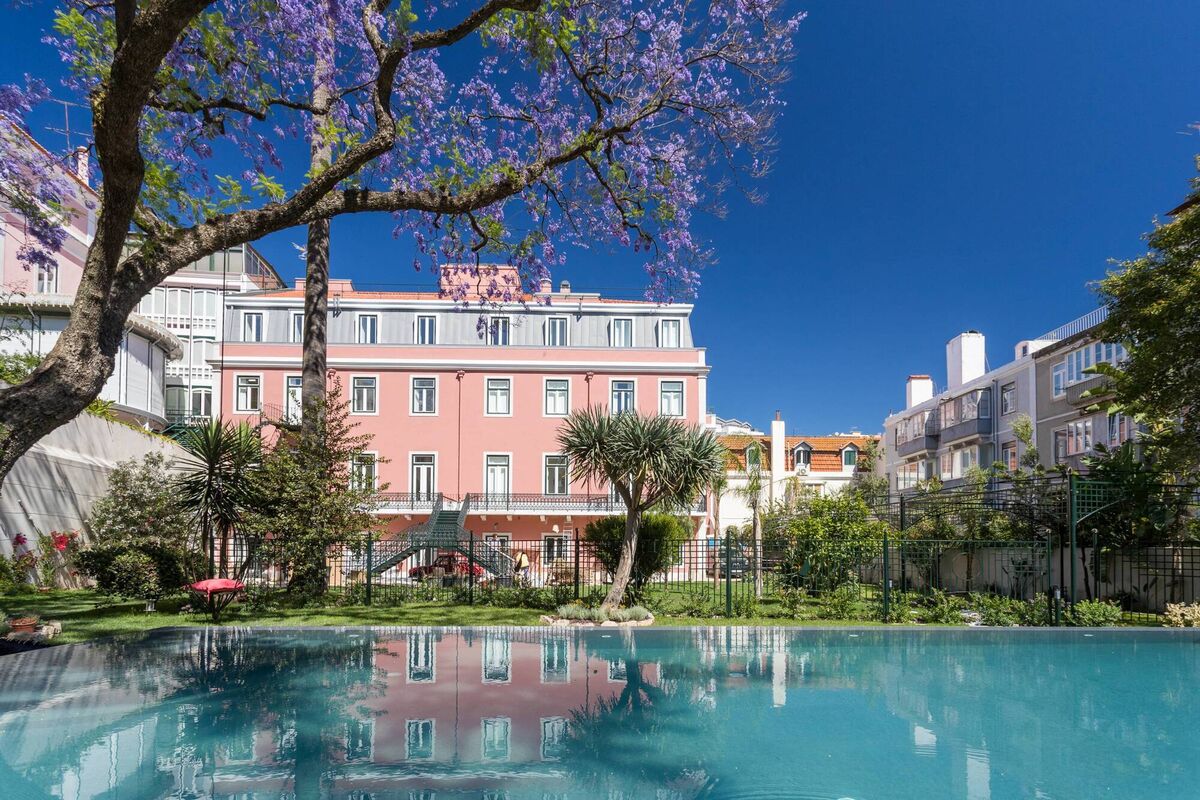
My base for my first trip to Lisbon was the breathtaking Palácio Príncipe Real. A 19th century pink palace in the boujee Príncipe Real neighbourhood, its magnificence is hidden behind a green door that gives little away about what lies beyond. In fact, myself and my travel companion walked past the entrance to the hotel a number of times, before a local woman hung out her window to ask us if we were looking for 'the hotel', and directed us back the way we had come.
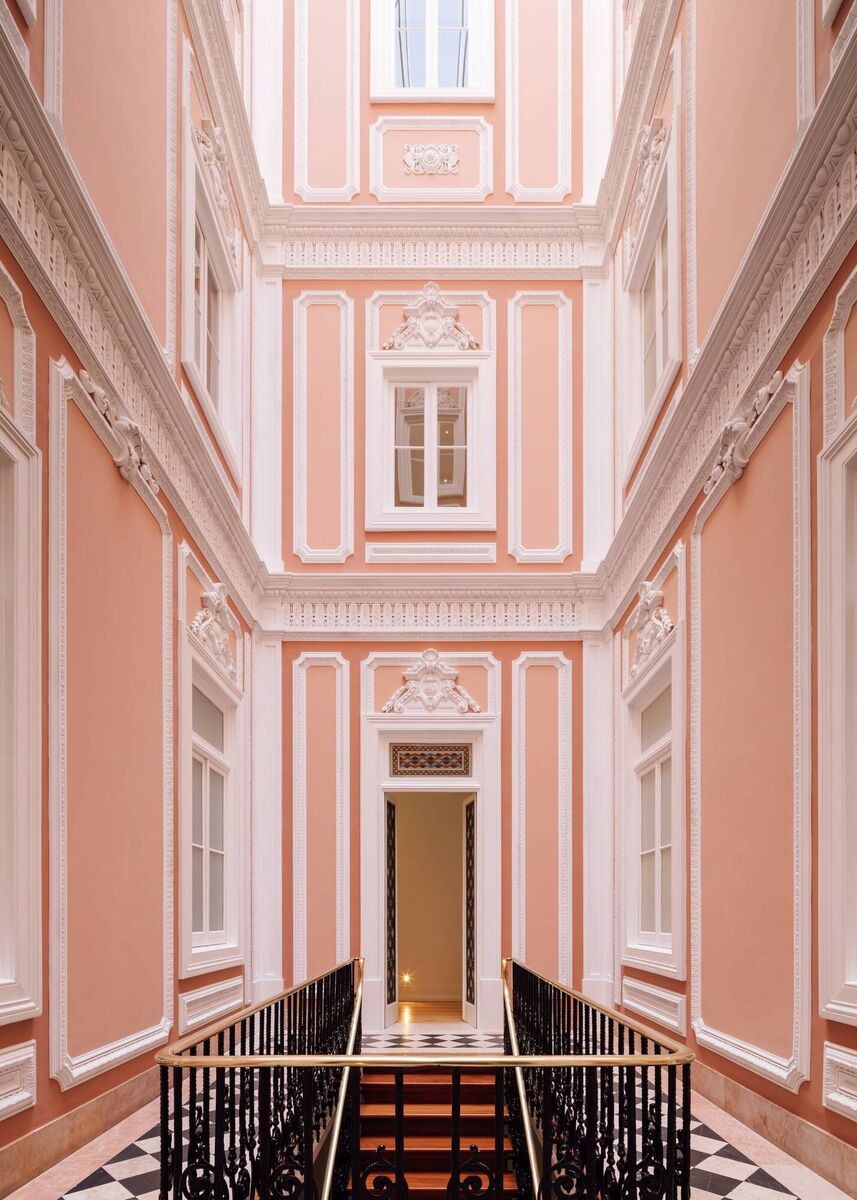
Once you ring the doorbell and are granted entry, there's a sense you've been welcomed into an oasis in the heart of the city. Trees loom large all around us, a sea of green interrupted only by an Asian-style infinity pool, heated by solar panels hidden on the hotel's roof. We were greeted by Gail Curley, and later her husband Miles. The British couple (there's a Cork connection on the Curley side), purchased the property, formerly home to the co-founder of one of Lisbon's most well-known newspapers, Diário de Notícias, back in 2014, and have lovingly restored it to the 28 roomed boutique hotel that stands here today.
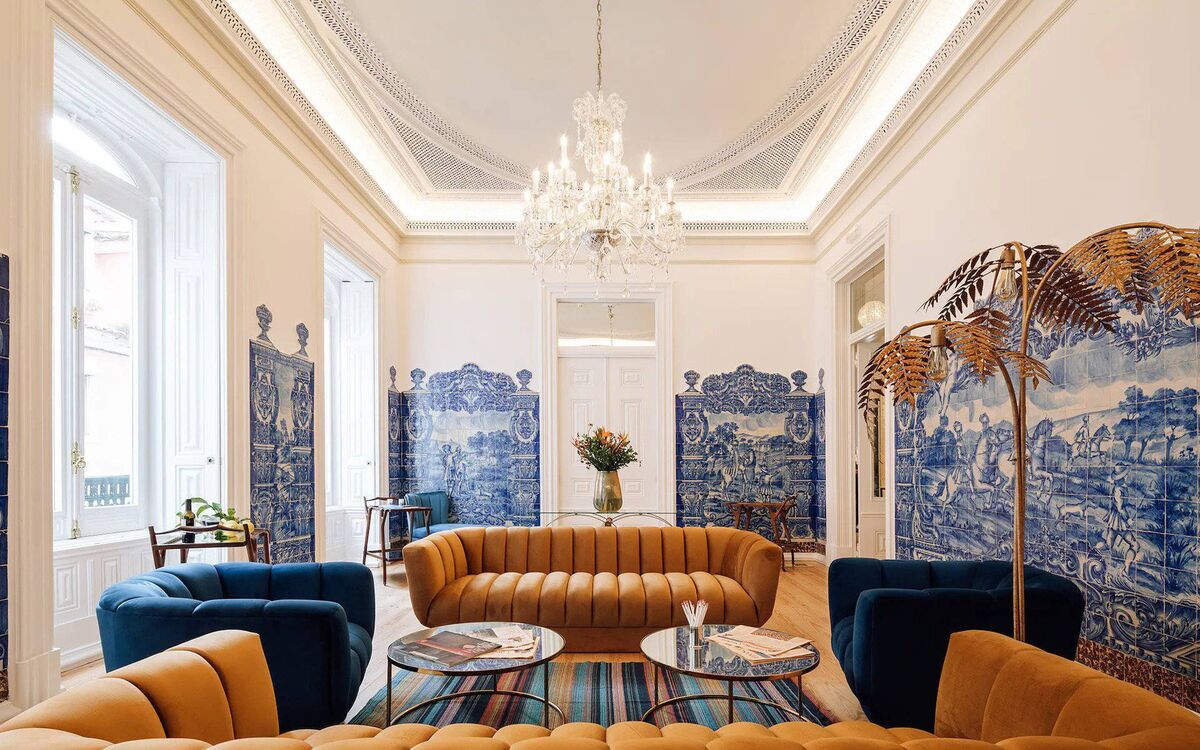
Beyond the luxury of the place - there are SMEG appliances, Nespresso coffee machines and Dyson hairdressers in every room, heated floors, and deep-soak freestanding bathtubs in some suites - there is a deep sense of history that adds to the experience (and justifies the pricetag).
In the reading saloon, blue and white azulejos (tiles) adorn the wall, while the grandiose staircase is the palace's original. I could have stood for hours gazing up at the peachy pink atrium, imagining the high-society get-togethers that I am told took place within these walls.
Our room was one of the 35-50sqm rooms from the hotel's Dream Collection - a suitable name for the experience. Our sunshine-themed room had plenty of spaces to chill out - from the absurdly comfortable king-size bed, to a perfect-for-reading end-of-bed settee complete with a plush blanket. Extra touches like homemade treats and health shots in the fridge, an ECOLOVE candle in the bedroom and a yoga mat for morning salutations made the experience all the sweeter.
Exceptional service, fresh milk for your tea/coffee in the fridge every morning and a luxurious breakfast (think smoked salmon to go with your scrambled egg) served whenever you rise, all combined to make the hotel experience one of the best I've ever had.
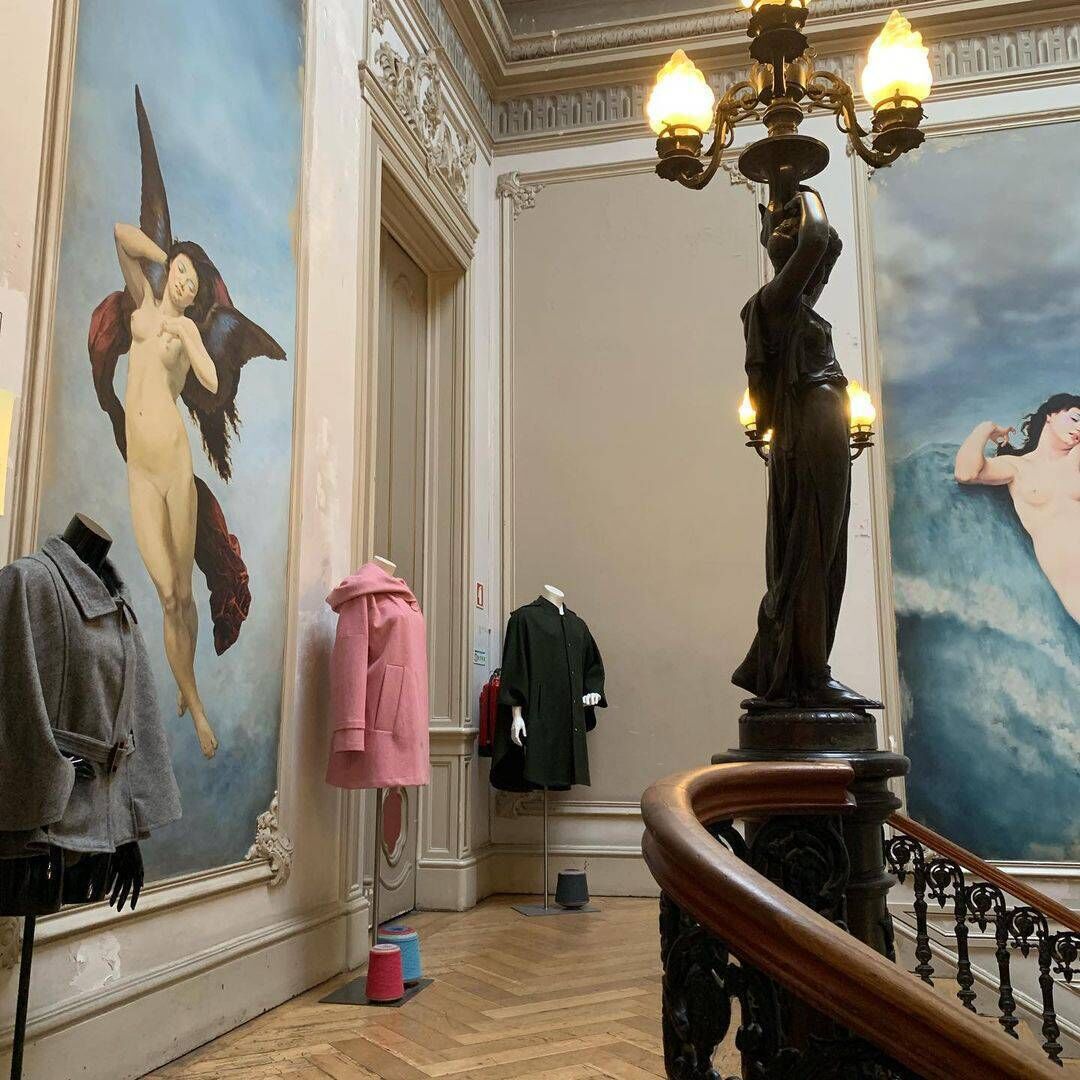
When it comes to things to do in Lisbon, visitors are spoiled for choice. Close to our base at Palácio Príncipe Real, there were plenty of window-shopping opportunities with concept stores more numerous than pubs in an Irish village. Keeping with the theme of palaces, EmbaiXada, which is located in the Ribeiro da Cunha Palace, a transformed 20th-century neo-Arab palace, is well worth a wander. Here, exhibitions by Portuguese artists line the walls, with small stores littered throughout the building. The focus is predominately on Portuguese brands, with a sustainable ethos at their heart. Handmade swimwear, shoes made from recycled plastic and vegan skincare are some of the items you can expect to find here.
Also in the Prínce Real neighbourhood is Jardim Botanico Da Universidade De Lisboa. Laid out between 1858 and 1878, Lisbon's Botanical Gardens is home to many exotic species of plants brought back by Portugal's explorers from China, Japan, South America, New Zealand and Australia - just make sure you're wearing good walking shoes when you visit.
Praça do Comércio is the city's most iconic square. There are a few bits to do in the area, admire the bronze equestrian statue of King José I or discover the capital’s history at the LISBOA Story Centre, for example. But for us, it was really more enjoyable to just sit down on the marble steps by Cais das Colunas and take it all in. It was lunchtime when we did this, and there was a lovely buzz with fellow tourists and buskers, but I imagine the experience might be even lovelier come sunset.
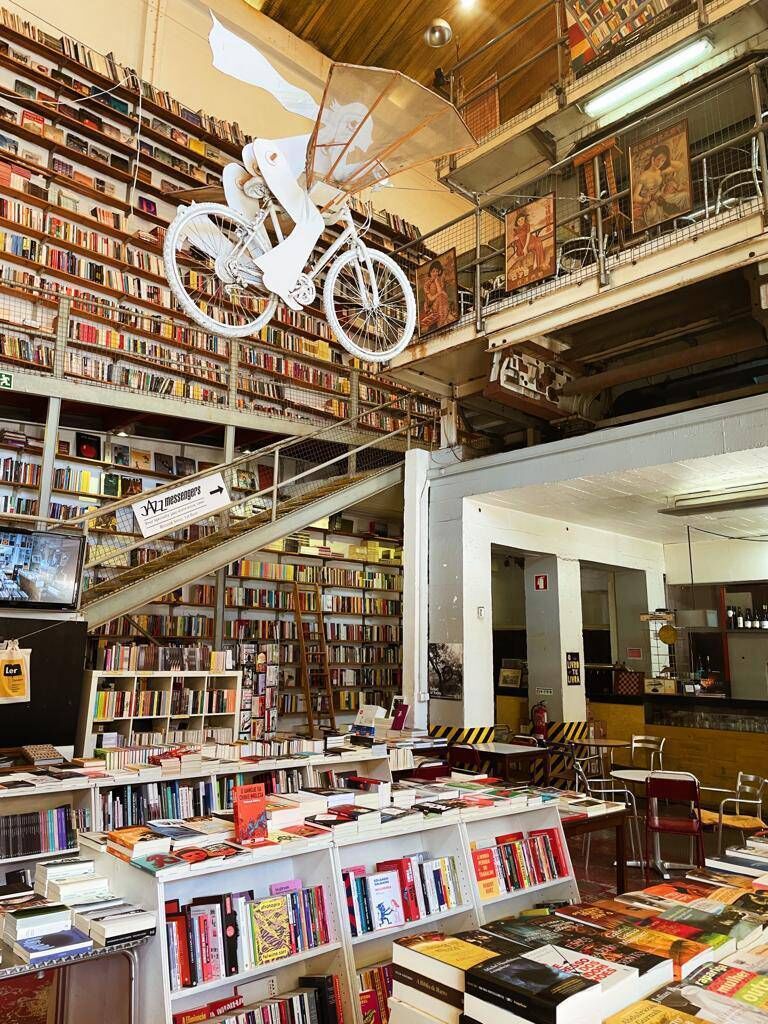
Worth getting an Uber to, on the western side of the city, is LX Factory, an industrial complex filled with over 50 shops, restaurants and open-studios. Here, you can watch artists at work, get yourself a tattoo, or enjoy a beer while browsing the shelves at Ler Devagar bookshop (they have a plentiful supply of books in English). When you need a snack, I suggest cooling off with a margarita and some nachos in Ni Michi Cocina Latina, a hip Latin American joint.
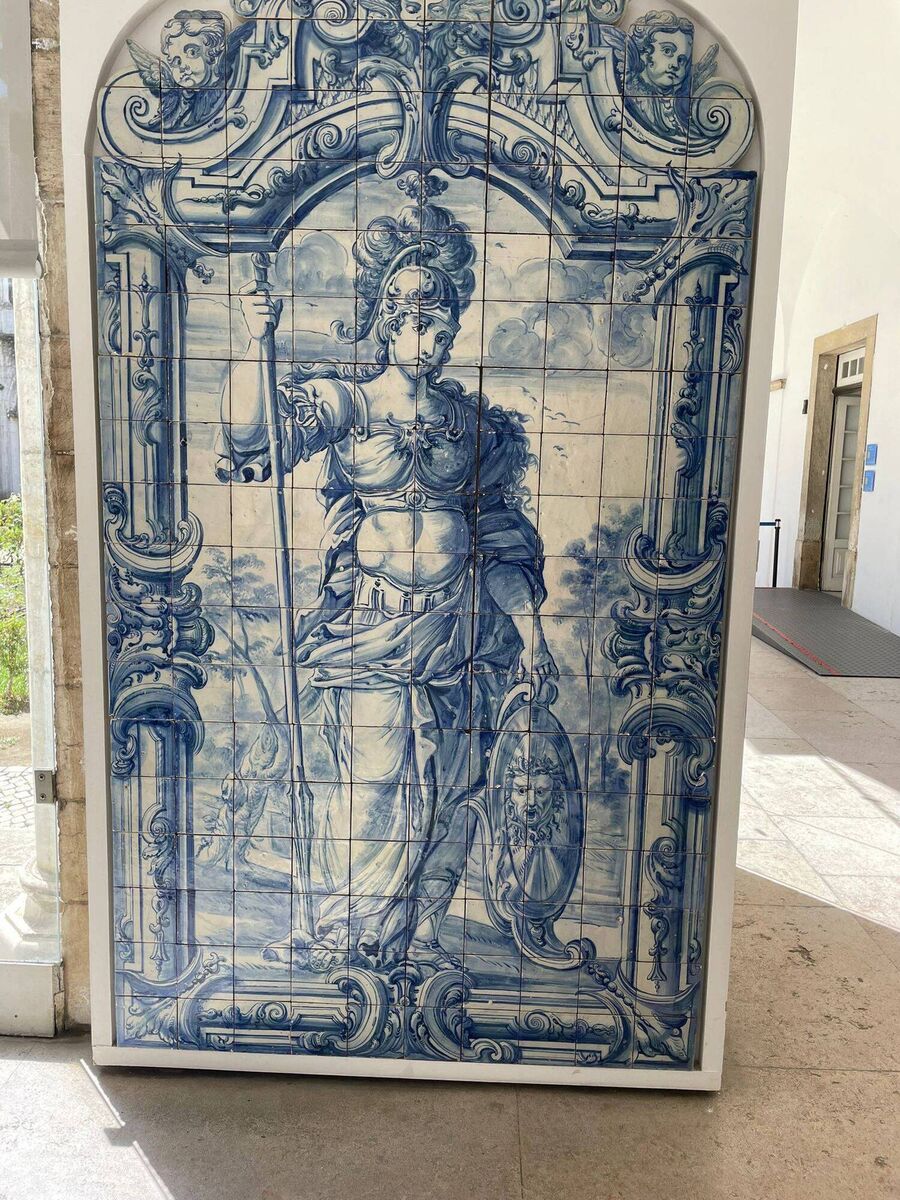
A must-do is the Museu do Azulejo, a museum dedicated to one of Portugal’s most recognizable art forms. For an admission fee of just €5, you could easily spend two hours here, exploring the more than 12,000 tiles, from 15th-century polychrome designs to 20th-century art deco styles. One of the museum’s most impressive pieces is the Grande Panorama de Lisboa, c. 1700, a mosaic of intricate blue and white design capturing the capital city before the 8.5-magnitude earthquake of 1755.
While wandering around the museum, which is housed in a former convent, there is the added surprise of the Church of the Mother of God. Gilded woodcarving is one of the most-recognizable aspects of the country’s Baroque era, and it is on full-display here, framing paintings by Portuguese artists André Gonçalves and Cristóvão Lopes.
If all the tiled artwork has gotten your creative juices flowing, there are plenty of tile workshops happening in the city that are highly rated by reviewers. One such workshop we came across but didn’t have time to commit to, was a two-hour class by ceramist Ana Dominguez, where attendees learn to paint a traditional 15x15cm Portuguese tile. Priced at €37 per person, you can keep your tile as a souvenir – but bear in mind the tile needs to be fired so pick-up has to be arranged for a later date.
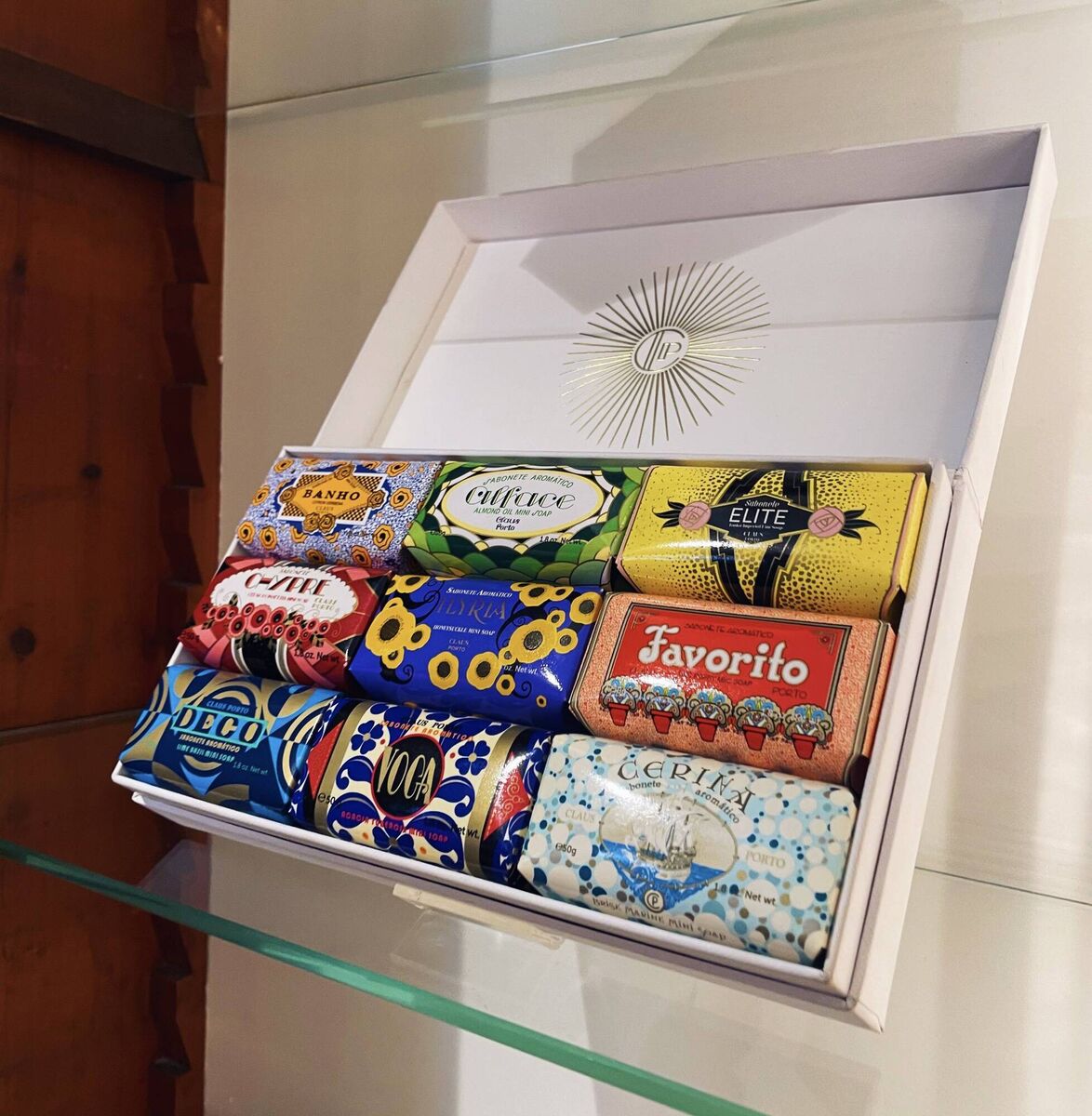
If you're looking for a souvenir with heart from your time in Lisbon, head to the Chiado district, home to high-end boutiques, the world's oldest bookstore still in operation (Bertrand) and Portugese institutions like Claus Porto, the country's first soap and perfume manufacturer. Forget the magnets and tinned sardines, and instead pick up a soap, cologne, perfume or candle here with the distinct hand-made labels the brand is famous for. The Chiado store is housed in an old pharmacy and is also home to a fascinating museum on the brand's history, plus a grooming parlour downstairs where you can get a hot towel shave.
Lisbon has a thriving food scene, with all corners of the world represented on its pastel-hued streets, as well as plenty of hubs to try out more traditional fare. If you're looking for honest, no-frill food done right, pay a visit to Pica-Pau, a charming restaurant in the Príncipe Real neighbourhood that prides itself on reinventing the wheel. Here, under the helm of prolific chef Luís Gaspar, it's all about following the rules of tradition, with dishes like Bacalhau (salted cod cakes), Rissóis de Leitão (suckling pig rissoles) and Salada de Polvo (octopus salad).
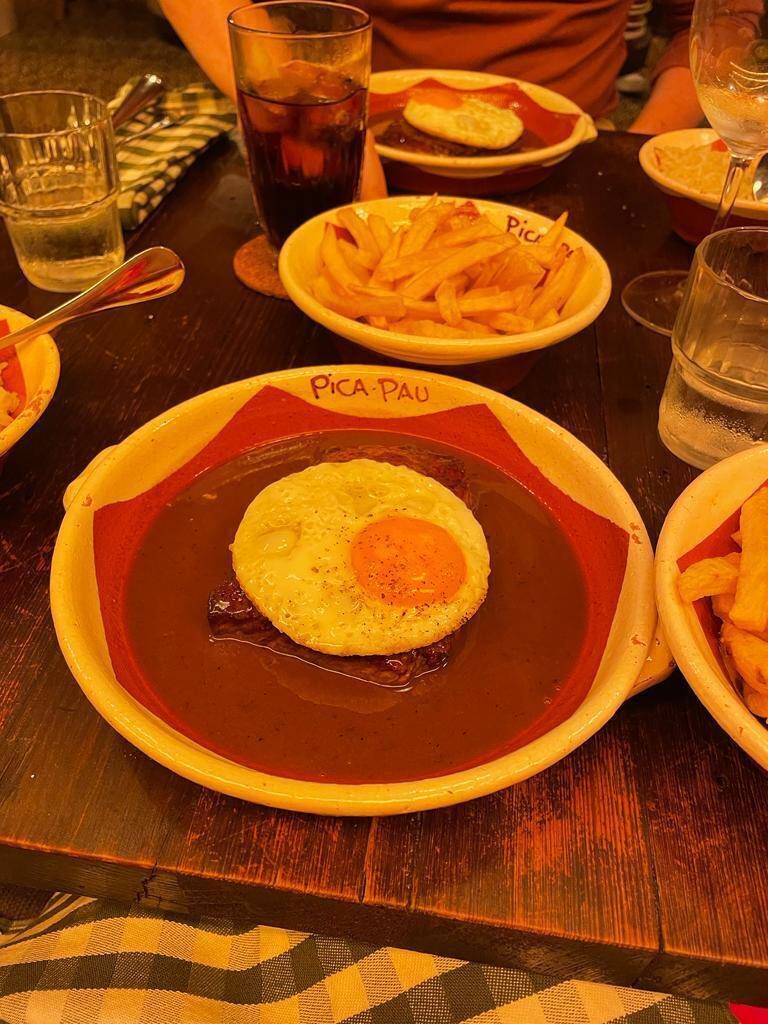
My partner and I opted to try the salted cod cakes and the octopus salad to start - though the latter wasn't to either of our tastes. For mains, we both went for the restaurant's namesake, the traditional pica pau - fried beef in a light gravy, complete with a fried egg on top, and a side of french fries. It was lovely - and easily washed down by a Rosé that was just €3.50 by the glass. Not accounting for a tip, two starters, two mains, two desserts, two glasses of wine and a coke had us just over the €70 mark.
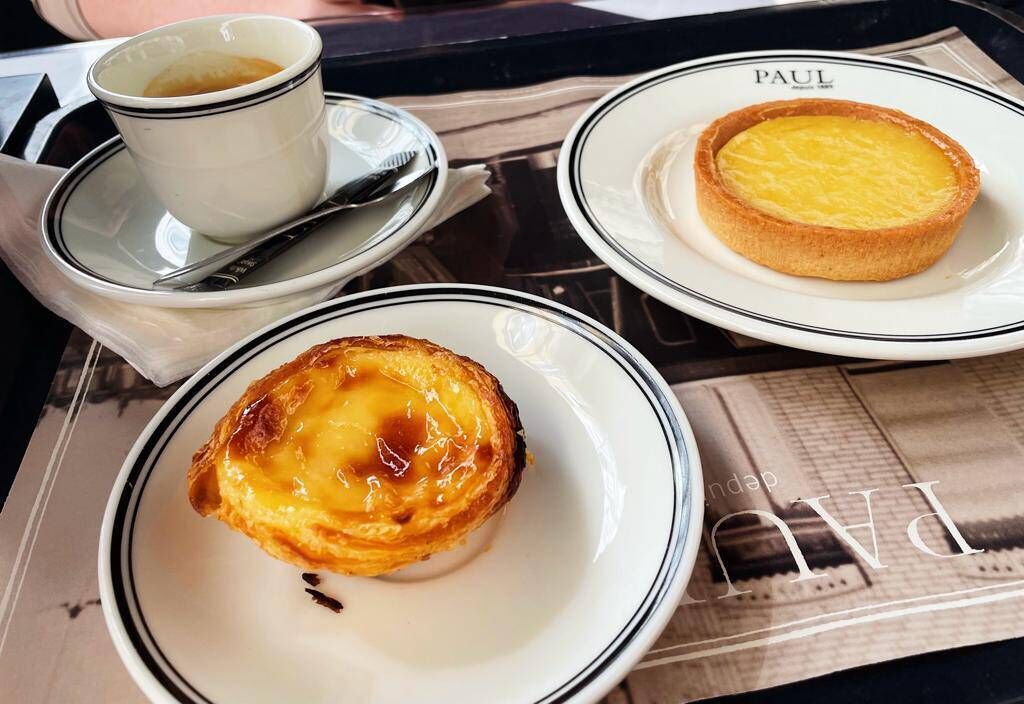
Francesinha, a Portuguese sandwich which originates from Porto, is on the menu at many joints, but I couldn't be convinced to give it a go. The sandwich is made up of bread, meat (ham, sausage, steak etc), melted cheese and sometimes, a fried egg on top, and is served in a pool of a hot and thick spiced tomato and beer sauce, served with french fries. Of more familiarity to Irish travellers will be the pastel de nata. I enjoyed one dusted in cinnamon from French bakery PAUL on Lisbon's famous Rua Augusta, but if you want the real deal, you'll have to face the queues at Pastéis de Belém, who hold the original recipe for the custard tarts which dates back to 1837.
If you're not looking to veer too far away from home comforts, I had the best potatoes wedges and garlic dip of my life at Atalho Real, also located in the Príncipe Real neighbourhood, in the home of a former butcher shop. The bacon and cheese burger was pretty epic too.
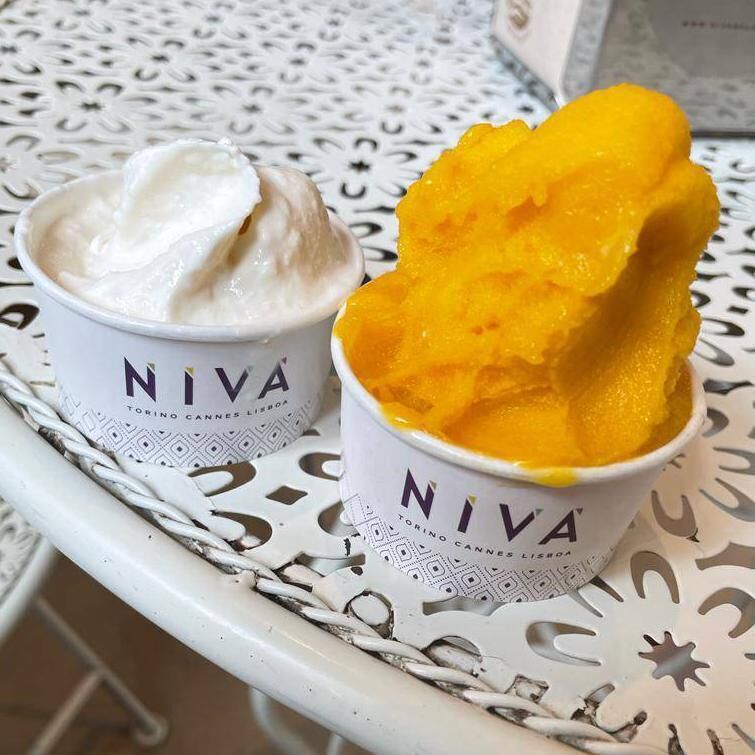
For sweet treats, make sure to stop by NIVÁ, a traditional Italian ice-cream joint. The coconut ice-cream was, in my partner's words, "orgasmic".
Time Out Market is one of Lisbon’s calling cards to tourists. Here, you'll find 40 of Lisbon's top food vendors all in one place - handpicked by Time Out magazine's own journalists and food critics. While the idea is intriguing, we found the market to be overhyped, overpriced and overpacked. While it's worth checking it out for the experience, I wouldn't feel hard done by if you miss out.
Lisbon cafés have a very friendly relationship with remote workers - and pets. You're likely to encounter multiple people working away on laptops, with just a coffee next to them, perhaps a dog asleep by their feet, when eating out in the city. If you're lucky enough to be able to work from anywhere in the world, you needn't fear about scowls from servers here.
Lisbon is famous for its seven hills, and after three days of walking around the city, I had glutes of steel. If you're willing and able, exploring the city by foot is the most cost-effective way to get around.
Another great option is the Lisboa Card. The official tourist pass, the card offers access to dozens of tourist attractions such as Jerónimos Monastery, LISBOA Story Centre and the National Tile Museum, and use of Lisbon’s public transport for a set fee. A 24-hour pass is priced at €22, with a 48 hour pass (€37) and 72-hour pass (€46) also available.
Download Uber before you travel. Taxi's are comparatively much cheaper in Portugal's capital city than in Ireland, and at times, we were able to get one on the app for the same price as a bus fare here at home.
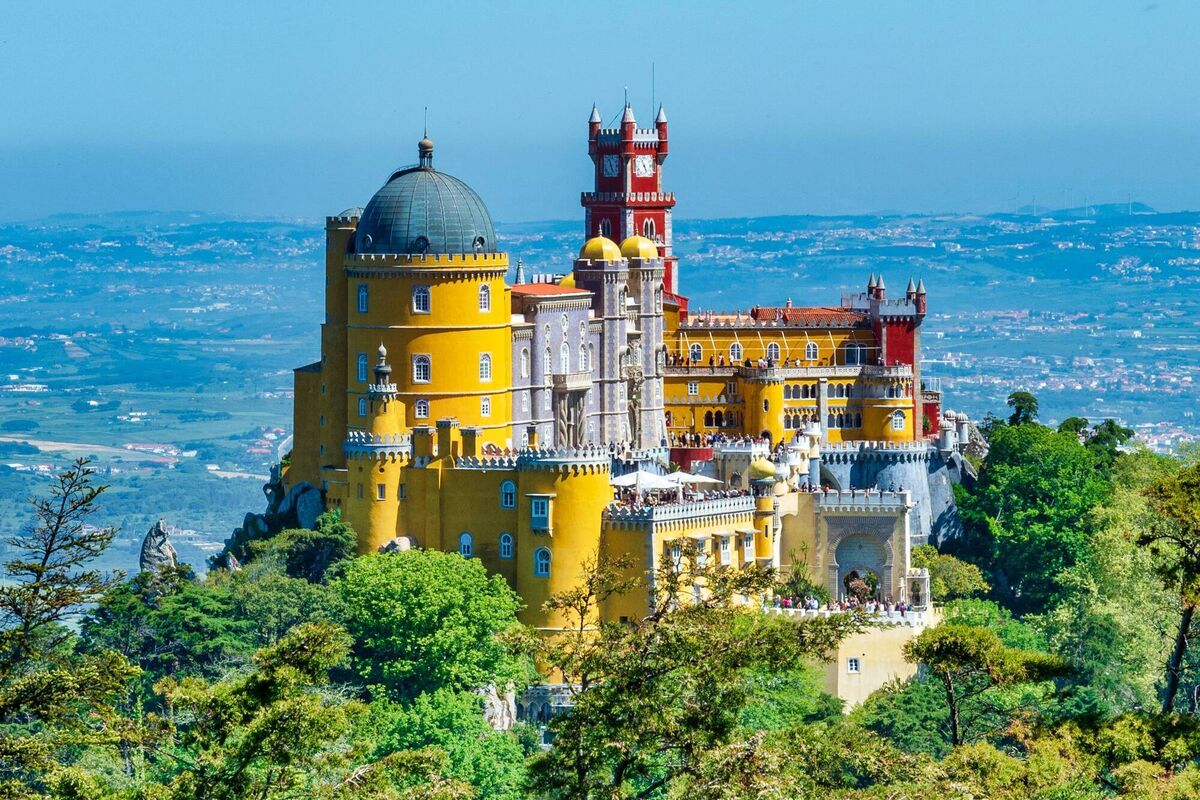
My greatest regret about my trip to Lisbon is that I didn’t stay longer. Things I didn't get to cross off my bucket-list during my 72-hour trip included Oceanário de Lisboa, said to be one of the best aquariums in Europe, and the Belém district, which is home to Padrão dos Descobrimentos, the Monument of Discoveries. Portugese explorers from the Age of Discovery are commemorated on the 52-meter high monument, and the viewing platform at the top offers panoramic views of the city. A day trip to Sintra Palace is also on the to-do list for our next dalliance with Lisbon.
Ryanair (from €28.12) and Aer Lingus (from €49.99) fly direct to Lisbon from Dublin Airport. Cork Airport no longer has a direct service. Lisbon Airport has a Metro station with the ‘Aeroporto – Saldanha’ line taking you directly to downtown Lisbon in about 20 minutes, for less than €2.
- Nicole was a guest of Palácio Príncipe Real (Doubles from €395 inclusive of breakfast) and Pica Pau


CONNECT WITH US TODAY



Be the first to know the latest news and updates