Islands of Ireland: Crying wolf on Lough Gill
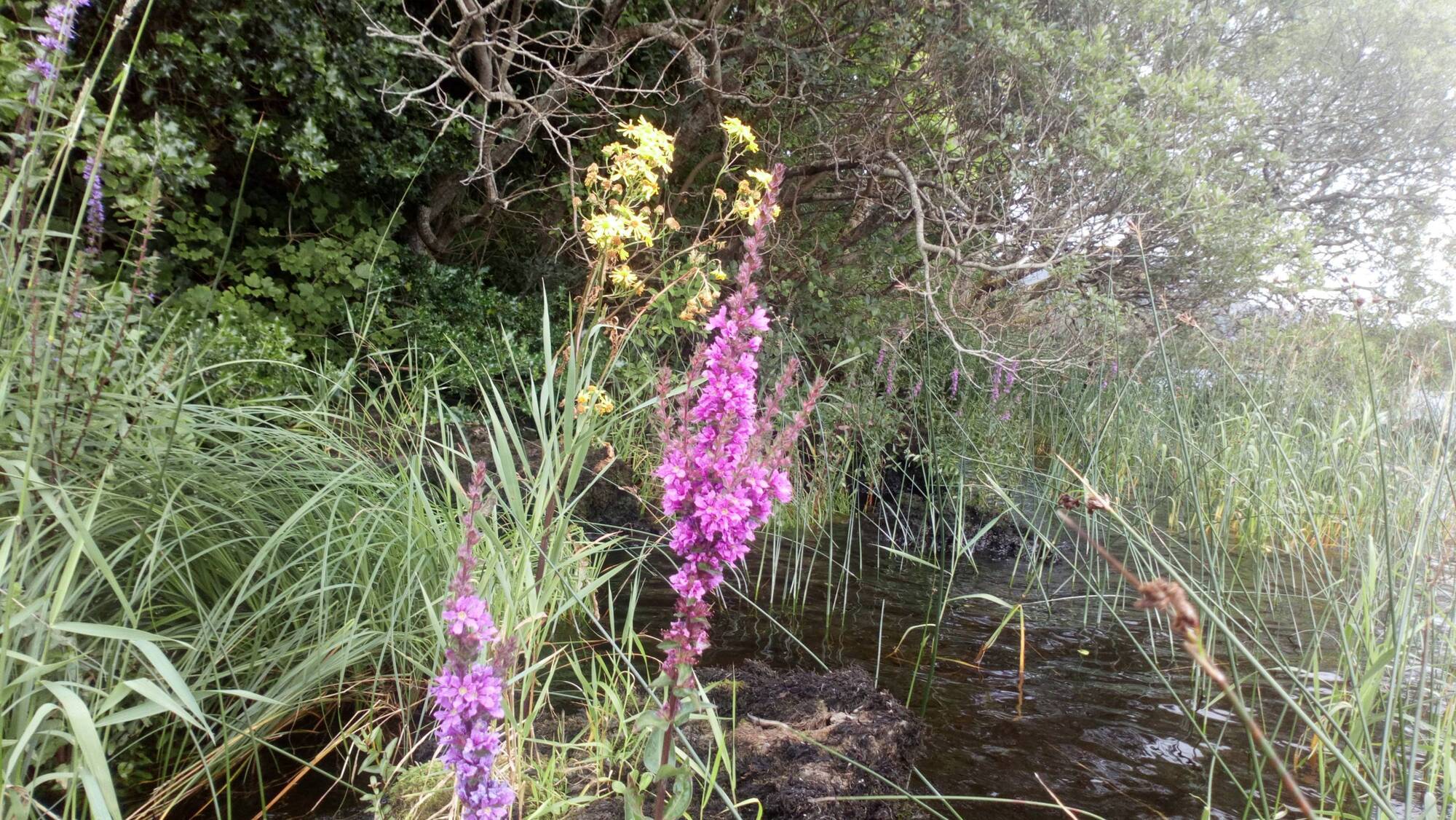
Wolf Island, Lough Gill, Co Sligo, would have been a perfect lair for wolves as it was untouched by humans. There would have been sufficient protection for a pack to rear its young. There would have been ample food supply in the availability of everything from nuts and berries to rabbits, deer, fish and carrion.
Picture: Dan MacCarthy
This column has identified many islands named after animals: rabbit, cow, fox, gull, to name a few. Never a wolf. In his seminal study on wolves in Ireland, UCC geography lecturer Kieran Hickey identified Wolf Islands in counties Armagh, Derry, Down and Sligo.
In ‘Wolves in Ireland’ he writes that there are a considerable number of Irish placenames with lupine etymology. The vast majority are embedded in placenames: the townland of Isknamacteera (mac tire) in Co Kerry; and Feltrim Hill (faolchu), Co Dublin. There are also numerous place names containing breagh (wolf field) and its variations, such as Breagh in Drumcree, Co Armagh. The naming of the above four probably trace their Anglo names to the post-Plantation period.
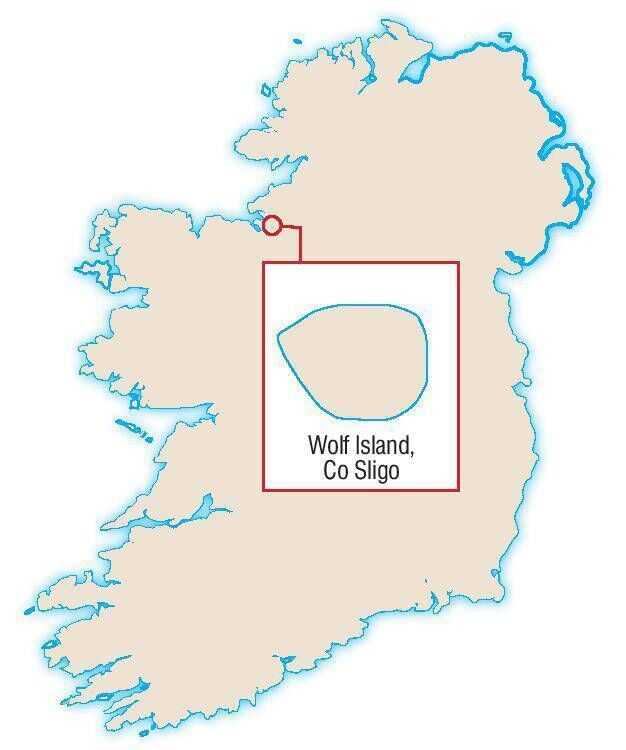
Co Sligo’s Wolf Island lies close to the shore in Lough Gill which is famous for Yeats’s ‘Lake Isle of Innisfree’. It is heavily wooded with deciduous trees and is probably in the same condition today as it was when the last wolf was killed in Ireland in 1786. It is very small and has almost definitely never been inhabited. The woods to the southeast of Sligo Town culminate in the peninsula of Nut Point where the Garavogue River meets Lough Gill. This is only about 20m from Wolf Island and would have been an easy embarkation point for the wolves to swim across to safety from people.
“It would have been an ideal denning site [rearing of young], secluded and away from prying eyes. Like dogs, wolves are excellent swimmers. The pack would have been the alpha male and female, possibly one or two other adult males, some yearlings and some pups. I would say definitely under 10,” says Dr Hickey.
“There wouldn’t be more than one pack as the wolves are very defensive of their territory. The packs fight for territory. The packs in Ireland were very small. You don’t tend to get the mega packs here like you do in Siberia or Alaska,” he says.
This island would have been a perfect lair for wolves as it was untouched by humans. There would have been sufficient protection for a pack to rear its young. There would have been ample food supply in the availability of everything from nuts and berries to rabbits, deer, fish and carrion. Dr Hickey says there is footage of wolves swimming 10km offshore to an island in Canada.
“Wolves are generally mobile as packs. But for the six to eight weeks after the pups are born, they’re not, because the pups aren’t big enough to move. The pack is out hunting to keep the mother fed but also as the pups are weaning on to meat fairly quickly. They prefer areas that are well away from humans and very quiet for that time period, which is in the spring in a European context,” he says.
The immediate surrounds of Wolf Island also provided a hospitable environment for wolves. Though relatively low-lying, Cope’s Mountain, Keelogyboy Mountain, and Leean Mountain to the north of Lough Gill would have provided ample coverage. A little further north, King’s Mountain and Tieveebaun Mountain offered further cover for roaming. To the south is Killery Mountain and more woodland. At the turn of the previous century archaeologists discovered wolf bones in the Caves of Kesh near Ballymote about 20km to the south.
“The fact that the name is in English would indicate that there may have been a previous name but the previous name might also have been Wolf Island in Irish, such as Oilean Mac an Tire, so it might be a translation,” says Dr Hickey.
The prevalence of this apex predator in the northwest is borne out by the historic record: A sum of £243 5s 4d was paid to hunters for wolf kills in counties Galway, Mayo, Sligo and Leitrim in the mid-17th century.
“They weren’t widespread in that part of Ireland but they weren’t uncommon either. They were around up to the mid- to late-1600s,” says Dr Hickey So, four islands were named after wolves but their presence on other islands, especially in lakes is a strong probability.


CONNECT WITH US TODAY



Be the first to know the latest news and updates