Hidden historic gems in Ibiza shows the island has more to offer than nightlife
Rule No 1: beware of labelling. A first-time visitor to Ibiza in May, I half expected an afternoon of the living dead scenario — because I’d swallowed the “Ibiza means clubbing” label.
Not having enjoyed nightclubs since the 1980s, I’d taken Ibiza off my destination list, mistakenly fearing hordes of hungover palefaced teenagers waking at noon and wandering like zombies, after their 12-hour beach raves until 6am.
Clubbers have been raving for decades about the little island, which is only about 45 kilometres long by 15 kilometres wide, making it about one fifteenth the size of Co Cork.
But the amazing thing about Ibiza is that it can inobtrusively pack so much variety into its small size.
Yes, nightlife is lively and varied, but I also found great water sports, hiking on peaceful lanes, luxury boutique hotels, and history.
The island is one of the world’s 962 UNESCO World Heritage Sites, recognised for its architecture, coastline and sea life.
There’s an up-market feel of quality to Ibiza — even in the island’s superclubs, which became world leaders early in the 1990s. The “sound of Ibiza” remains popular ever since. Leading clubs like Pacha (where annual business comes to about €30m) became the homes of ultra-cool debauchery.
With entrance charges at €40-50, and drinks for up to €20 for a standard spirit and mixer, visiting the top clubs of Ibiza is not cheap.
At one of the many bars where clubbers can “warm up”, I enjoyed listening to a top class live act. There was no cover charge, but drinks were €8-10.
But the fans of all ages keep coming to the clubs, and they don’t all have to slum it.
At the other end of the scale, try the all-night (sometimes) drums and bongos beach party at Benirras Beach in the north east, starting at sunset on Sunday.
There are signs that Ibiza is tending ever more up-market. Hotels are being upgraded, and the new ones are mostly five star.
Ibiza’s rising rep as a millionaire playground will be reinforced by the opening of Nikki Beach Ibiza in July, when the original sleek Miami-based beach club chain and luxurious holiday home for the jet-set arrives at the relatively quiet (so far) Santa Eulalia, away from the main clubbing hubs of Ibiza Town, San Antonio and Playa d’en Bossa.
Quality comes at a price. Yet the island caters for most budgets, and seems to easily accommodate the well-heeled alongside (but out of earshot from) the ravers — and the families.
Figueral, where I stayed in the north-east, is one of about five mid-range family or couple-orientated resorts on Ibiza. The two popular Invisa hotels here more than deserve their three-star ratings.
Despite its small size and nearly three million passengers arriving per year through the airport, you can get away from it all in Ibiza.
Perhaps it’s the pine trees that cover most of the island that hide the proliferation of tourism.
At Figueral, the surrounding woods invite guests to avail of Invisa’s services for hikers and bikers (mountain biking is rated the no 1 sport in Ibiza).
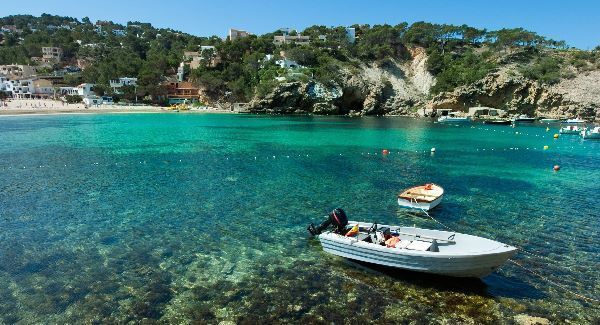
Or avail of their €8 per hour kayak offer (only €4 with full board). Outside of the summer peak months, it’s a cheap way to discover plenty of deserted beaches and coves (if you want to splash out, there are plenty of luxury yachts available for charter).
Kayaking is special here, because of the crystal clear waters, which support Ibiza’s vast underwater meadows of posidonia, an indicator of environmental quality which the Ibicencans are justly proud of.
Check out the 20 recommended kayak routes on the ibiza.travel website. This website reflects the island’s high quality tourist offering. It’s definitely one of the best I’ve come across. Check out the downloads, for detailed guides for walking, diving, kayaking, family and children’s activities, bus timetables, accommodation, and all the maps you could need. Using www.ibiza.travel/en, it’s easy to plan your activity holiday before you travel.
Fishing and sailing schools are among the other water sport options, even more attractive in the autumn and winter, in seas warmed by the summer sun.
Or try Ibiza on horseback, on mountain bike, or try golf, or guided excursions taking in the many pre-Christian antiquities.
If you’re into archeology, don’t miss the most important necropolis in the Mediterranean, the Punic era Puig des Molines necropolis in Ibiza town. Ibiza was settled in 654BC by the Phoenicians. More recently, its beaches and laid-back attitude drew Europe’s hippies in the 1960s.
There was something different and very attractive for all of them on the Spanish Mediterranean island — and for the Dutch tourists who are now flocking to Ibiza. Holiday bookings have increased 25% from Holland, because of the success of the Loving Ibiza film which 400,000 saw within two and a half weeks of its release in Dutch cinemas on January 31.
The story of a Dutch superstar footballer who finds true love in Ibiza, the film’s true star is Ibiza.
There are package and scheduled airlines flying into Ibiza daily throughout the summer.
From Dublin, until late October, Ryanair flies four days a week; Aer Lingus flies three days a week until mid-September.
On the ground, you can save money by using the bus services between the larger towns, but car hire for rates from €40 per day is probably the best transport option if you want to explore the island.
The island has eight loop walking routes of two to five hours each, which you can download from ibiza.travel, including one that goes to Ibiza’s summit (only 475m; worth it for the panorama).
Every few miles, there’s a church to cool off in and admire, and the farmhouses which give Ibiza its White Island tag.
Avoid strenuous activity in July and August. The countryside is perhaps best enjoyed in the almond blossom month of February. The full moon almond blossom night walk in the valley of Santa Ines is one of the many Ibicencan annual traditions tourists can enjoy.
The island has 80,000 rooms in 551 hotels, enough to cater for all tastes.
Accommodation ranges from €50 per night packages to five-star hotels.
For an interesting midway choice, consider the island’s 20 or so hoteles rurales scattered about the island’s north. Don’t be misled by the name. Instead, expect affordable luxury ideal for couples, in these boutique hotels.
I visited the Can Curreu rural hotel where 24 apartments and a spa are surrounded by lemon and orange trees in secluded countryside, a peaceful haven where privacy and luxury costs a little over €100 pps per night for bed and breakfast.
For shoppers, Ibiza has something special in the hippy markets. Some say it was the hippies who arrived in Ibiza in the 1960s that kick-started tourism there. Their spirit lives on in the Las Dalias and Punta Arabí markets.
Artisan materials from every continent feature at Las Dalias, situated near Santa Eularia. From Tibetan meditation bowls to jewellery made from silver cutlery, you would be hard pushed to find equally diverse shopping anywhere.
There’s a book stall too, and their holiday souvenir tat is even of a high standard.
It’s on every Saturday and some nights.
A similar mix of hippy-inspired handicrafts, clothing, footwear, jewellery, music and more can be found at the larger Punta Arabí market on Wednesdays, also situated near Santa Eularia.
The popularity of cooking courses in Ibiza reflects the island’s pride in its cuisine.
I had the opportunity to go behind the scenes in the popular S’Ametller (Almond Tree) restaurant in Ibiza town.
I helped to cook the bullit de peix rockfish stew which Ibicencan fishermen traditionally prepared while at sea.
It’s a good example of local cooking based upon fresh market produce. The fish were too bony for my taste, but the fish stock prepared from them was the essential ingredient of the arrox a banda (seafood rice and potatoes) which was our very tasty main course, washed down with local wine (the island has about four wineries, some of which are open for tourist visits).
Go to the ibiza.travel website for a taste of the island before you travel. You can download and try Ibicencan recipes like flaó, a mint-flavoured variant on cheesecake, and a Balearic Islands speciality for Easter.
CONNECT WITH US TODAY



Be the first to know the latest news and updates