'Having children was important to me, but you can’t have children on dialysis'
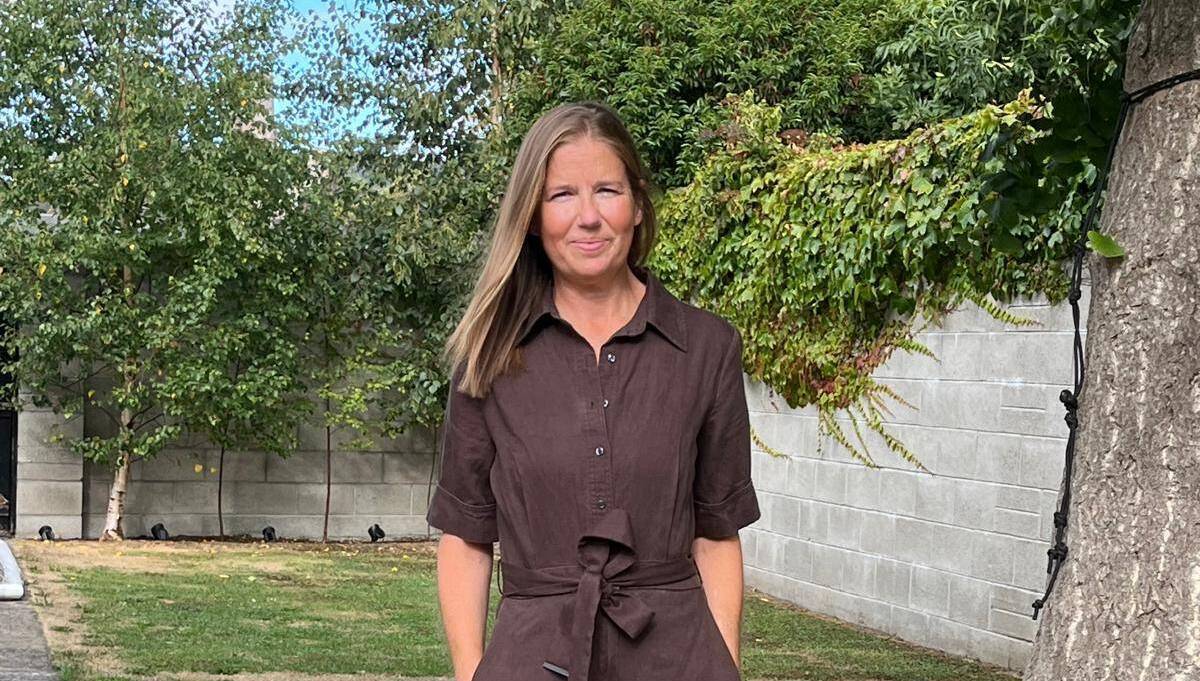
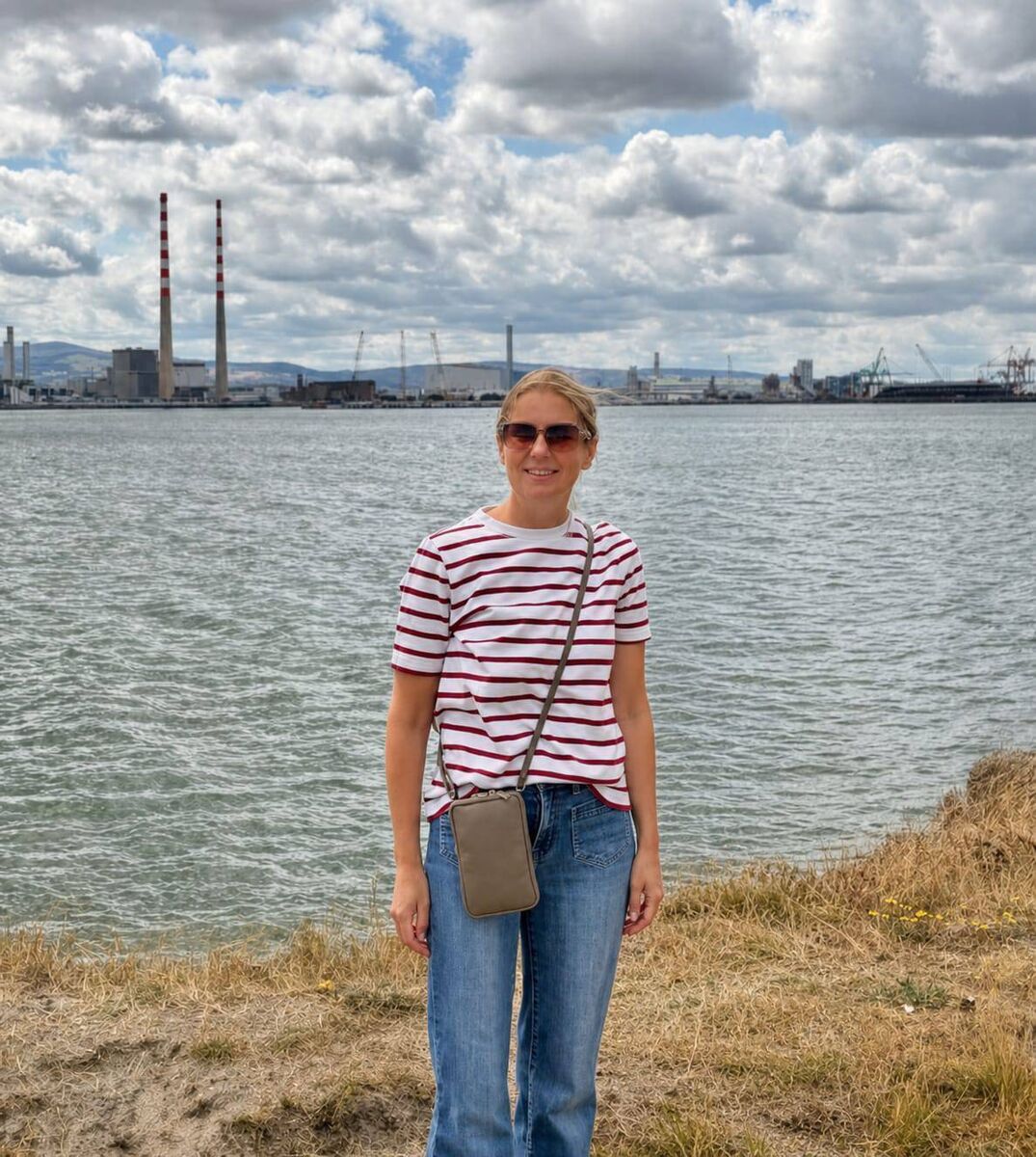
Jenny Ring suffered kidney failure when she was 28. She had married just the year before, the same year her dad died of renal failure. The 50-year-old talks to Helen O’Callaghan about receiving two kidney transplants in the course of her life, describing how the first failed after three years, while the second has been life-changing
Jenny Ring: "A transplant isn’t a cure; it’s a treatment. I’m still on the journey. I take medication every day. I go to hospital every three months for full blood tests. So there’s always a bit of uncertainty and worry about it."

Jenny Ring: "A transplant isn’t a cure; it’s a treatment. I’m still on the journey. I take medication every day. I go to hospital every three months for full blood tests. So there’s always a bit of uncertainty and worry about it."

I’m really grateful for my first kidney transplant but the second one changed my life.
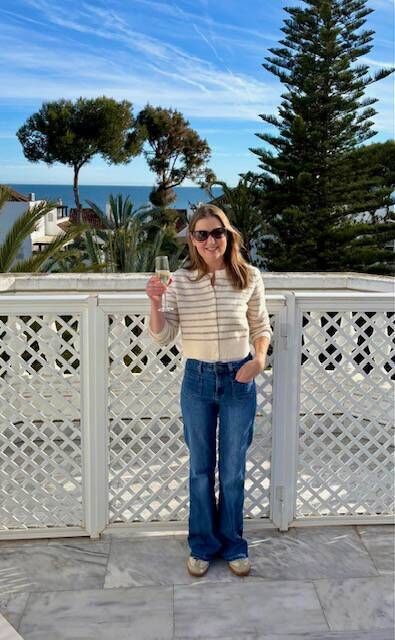
I suffered renal failure in 2004; I was 28. I’d got married in 2003, six months after my dad died. He had renal failure too.

I knew I had kidney issues, but I didn’t know how bad. You become ill so gradually you don’t realise how ill you are. I had very low energy levels; I’d lost a lot of weight. I’d go halfway up the stairs and then have to stop before doing the other half.

I started dialysis in 2004. I was very upset. My dad had died from what I now had. Dialysis is hard. Dad never complained, so I thought it was just do it, come home and you’re fine. I didn’t realise what I’d have to go through.

I was on the transplant list for 10 months before getting my first transplant in 2005. It worked, but I was only so well on it; I was never brilliant. I’m still grateful for it. It kept me off dialysis, kept me alive. It failed after three years. Having to go back on dialysis was devastating — being back to square one.

Having children was important to me, but you can’t have children on dialysis. I felt it wasn’t just me who wouldn’t have children, but my husband, Ken, too. He loves kids and is really good with them. We each have nephews and nieces; we love them and we’d have liked to have our own.

And I was 32 now. I didn’t know when I’d get a second transplant. Even after getting it, I’d have to wait a year before having a baby. I knew time was getting tight. My second transplant was a living donation from my brother, John. He was 10 and I was 11 when Dad got his transplant, so we’d grown up with this. Receiving a kidney is something you can never repay. 

Jenny Ring suffered kidney failure when she was 28. She had married just the year before, the same year her dad died of renal failure.

John always says he’s grateful he did it, that he got as much out of it as I did. I had the transplant in June 2009. Leading up to it, I was nervous but excited — for a life without dialysis, without hospital every second day, low energy, feeling unwell, pretending to be well so everyone isn’t worrying about you.

I just wanted us to be a normal married couple where our dinner wasn’t a renal diet — Ken ate the same as me — where we couldn’t go on holiday because I wouldn’t be well enough.

It wasn’t that I wanted to do anything crazy, just to be able to do normal things like go for a walk, have the energy to stay up past 7pm, go swimming without having tubes in my neck. Basic everyday things like doing a food shop and pushing the trolley myself.

When I woke up after the operation, it was like putting glasses on for the first time when you hadn’t known you needed them, and everything is clear. I couldn’t believe how I felt and I mean immediately — just full of energy. When the tubes were gone and I could talk a few days later, I said to Ken, who was sitting beside the bed: “Do you feel like this all the time?’ He said, “I presume so”. I said: “And you’re just sitting there!” I couldn’t believe that people had this level of energy and they were just sitting down.

With this second transplant, I knew it was a different story. They do constant blood tests and the results were exceptional. My brother’s healthy and strong; we knew his kidney would be the best of the best.

Jenny Ring: "I always say the best thing about being sick is appreciating being well, and I really do. If I’d never been sick, I don’t know if I would."

Without it, the births of my two daughters couldn’t have happened. Having them means everything. Jane was born in 2011. By then Ken and I were together 15 years, married eight. She was born prematurely but very healthy, perfect. Emma was born two years later.

Without organ donation, I wouldn’t have had my dad for my childhood — with his transplant he was great for 16 years and I had him until I was 27.

I’d love people to think about being an organ donor.

A transplant isn’t a cure; it’s a treatment. I’m still on the journey. I take medication every day. I go to hospital every three months for full blood tests. So there’s always a bit of uncertainty and worry about it.

In the everyday, it’s been life-changing. There’s not even a comparison between my life now and my life before. My children don’t know me as a sick person — I’m never sick. I go to classes twice a week for strength and conditioning. I go for walks. I’m a healthy weight. The best thing? My girls are very sporty and I can go to their matches and watch them.

I always say the best thing about being sick is appreciating being well, and I really do. If I’d never been sick, I don’t know if I would.

  • Organ donation saves and transforms lives, making it possible for those with organ failure to live a longer, more fulfilling life. Beaumont Hospital, home to the National Centre for Renal Transplantation, recognises the extraordinary generosity of organ donors and their families. The hospital encourages people to support organ donation by having conversations about it with their families and to share their wishes around organ donation.

More in this section

Lifestyle

Newsletter

Eat better, live well and stay inspired with the Irish Examiner’s food, health, entertainment, travel and lifestyle coverage. Delivered to your inbox every Friday morning.

Cookie Policy Privacy Policy Brand Safety FAQ Help Contact Us Terms and Conditions

© Examiner Echo Group Limited