Death of the casual hangout: When did every catch-up become a planned activity?
We used to just call our friends. Now we pick an activity and book a slot. Alina Shafique asks: Why does meeting your friends feel like it requires a theme now?
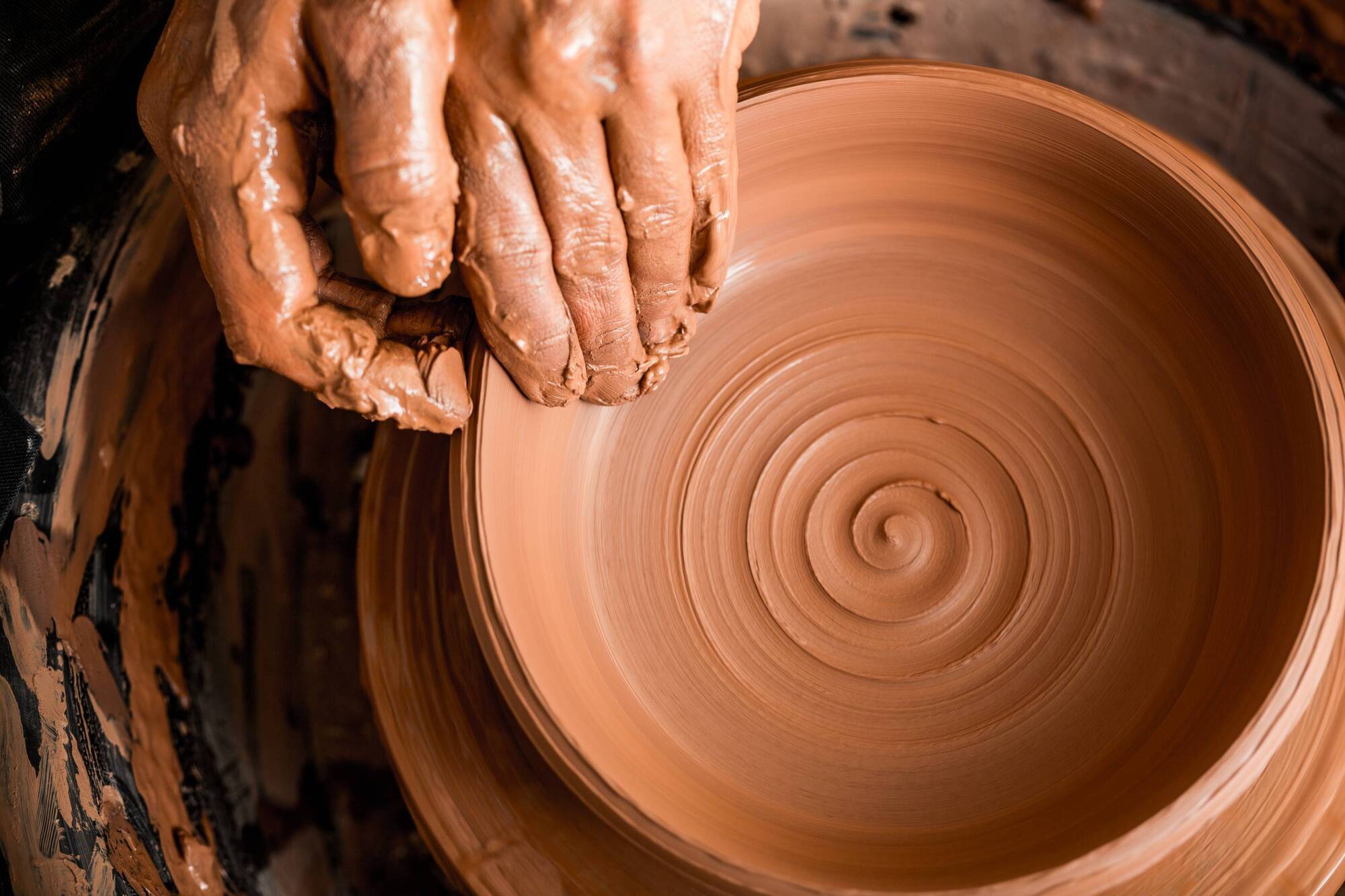
'Pottery painting. Saturday, 3pm.'

'Pottery painting. Saturday, 3pm.'

There is a moment of social vertigo that has now become very familiar to anyone in their 20s or 30s. A friend texts you. You feel a flicker of warmth. You open it. It is a booking link.
“Pottery painting. Saturday, 3pm.”

You accept it. You spend two hours carefully painting a ceramic mug while chatting over the drinks you brought. You have a good time. But you can’t help but think... would it have been so strange to just come over?

Apparently, yes.

The casual hangout, the unstructured, unscheduled, just-show-up afternoon, is not dead, but it is definitely on life support, and someone has replaced it with a ceramics class.

For young Irish people, social life has subtly reorganised itself around activities with a defined premise: Pottery painting, run clubs, tufting workshops, puppy yoga, lino printing, collage nights, craft evenings with a loose cinematic theme.

'The casual hangout is not dead, someone has just replaced it with a ceramics class.'

This is not a screed against hobbies. Hobbies are wonderful! That run club is probably really good for your heart. But why does it feel like friendship has to come with a booking confirmation now?

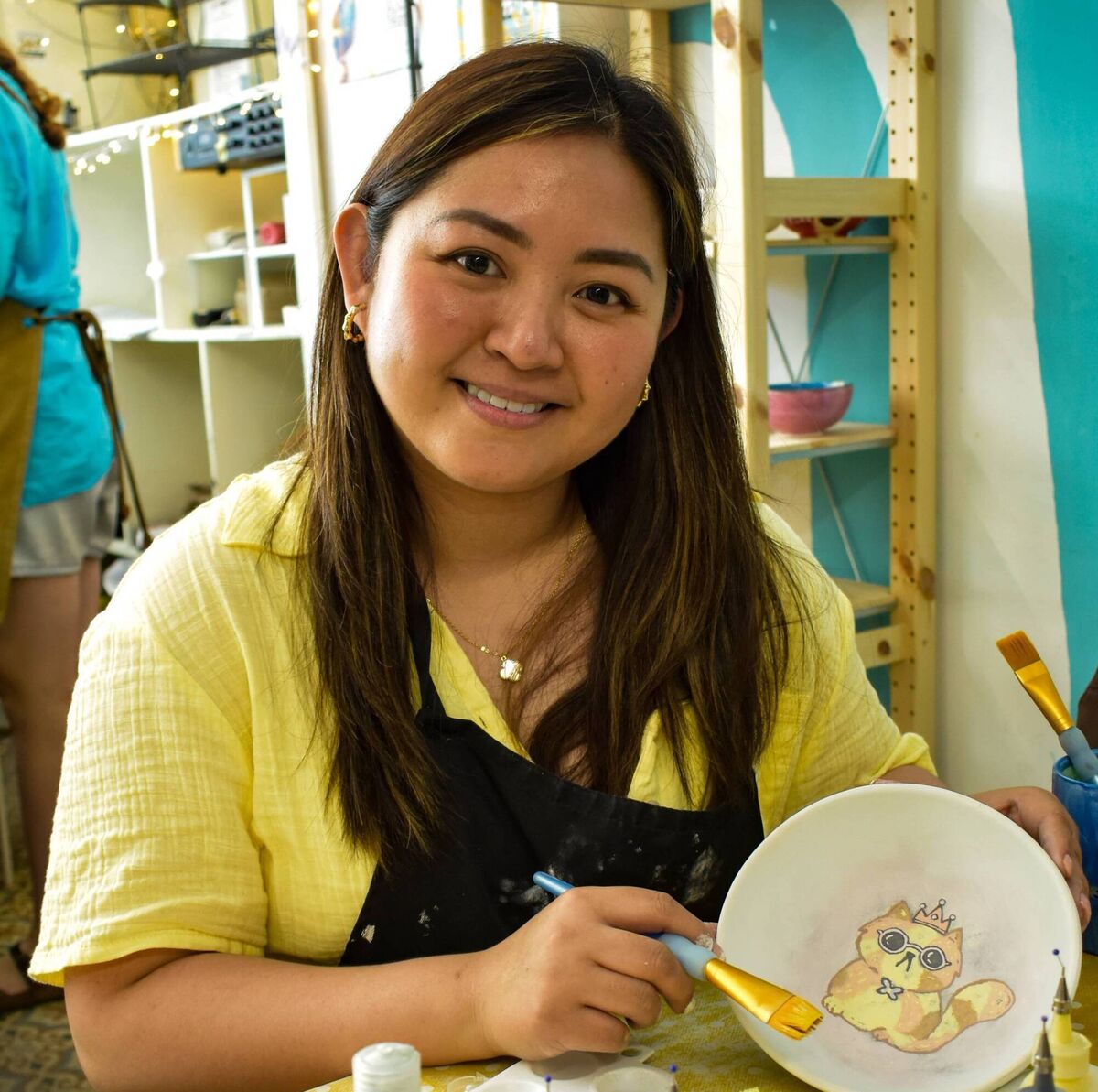
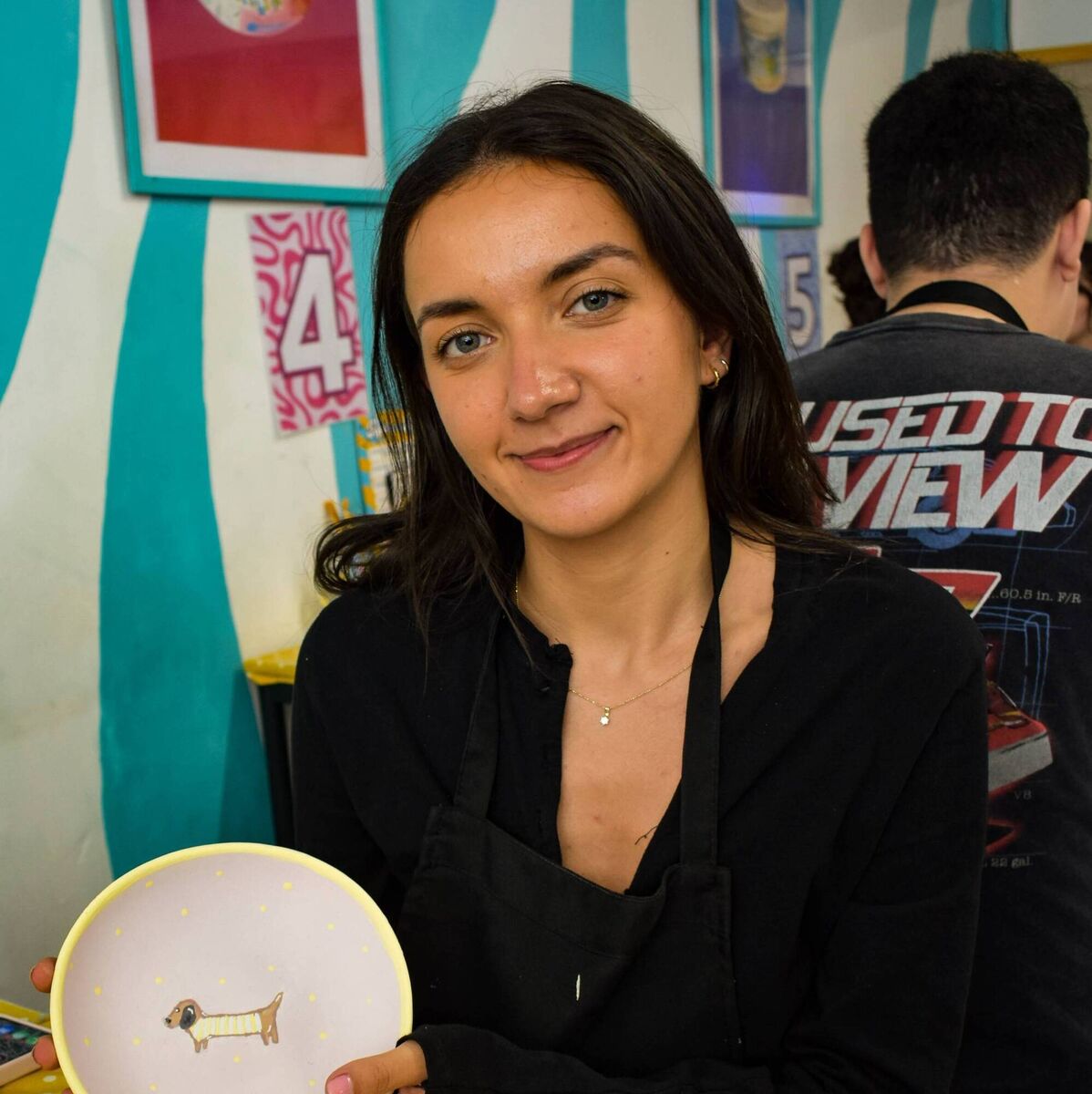
On a bright Saturday afternoon in Dublin, almost every table inside a pottery painting studio is occupied. Some couples quietly concentrate on cereal bowls. Friends laugh over mismatched colour pallets. Some barely look at what they’re painting at all, instead using the ceramic pieces as an excuse to sit together for two uninterrupted hours.

For Paula Czulnowska, 28, a nurse manager, and her best friend, Jen Gumba, 38, the booking had been months in the making. The pair met through work despite a decade-long age gap and now spend their rare shared days off searching for something to do together.

“We wanted to do something different from just meeting up for lunch or dinner or drinks,” says Czulnowska. “We’ve been meaning to come here for a long time.”

Their friendship has gradually built around experiences. Museum visits are a favourite. If they travel, they seek out exhibitions. When work schedules allow, they prefer exploring something new rather than sitting in a cafe or, a pub.

Paula Czulnowska
Paula Czulnowska

“It’s a nice break from the usual socialising which usually involves drinks and staying out late,” Gumba says. “We still go home feeling fresh. It’s nice to explore things you wouldn’t normally do.”

That sentiment surfaced repeatedly throughout the afternoon. Again and again, people described these organised activities not as replacements for friendship but as better settings for it. Places where conversations could unfold naturally without revolving around alcohol, crowded pubs, or expensive dinners.

Like most of the attendees, the friends first heard about this pottery class on social media.

Spend even a few minutes scrolling through your Instagram or Tiktok feed, and it’s likely you’ve seen these curated experiences.

Couples making silver rings. Friends laughing through candle-making workshops. Pilates followed by matcha. Brunch with a drag show. Pottery painting followed by dinner.

Social media has always been about “documenting experiences”, Anne-Marie Kavanagh, a professor in ethical and inter-cultural education notes — but
in 2026, it seems to increasingly shape what those experiences are.

“Platforms like Instagram and TikTok reward visual coherence, certain social activities become more visible and ultimately more culturally valuable,” she explains.

And yet there’s a real paradox at the heart of these carefully curated experiences. While many of us hear about them from social media, and might document our experiences on social media, part of their draw is they offer an opportunity to get out of our heads, away from our phones, and be truly in the moment.

Of course, aesthetics still matter. The pottery studio itself feels almost designed for Instagram. Shelves lined with pretty ceramics, bright natural light coming in through large windows, carefully arranged paint pots… but the phone becomes something to photograph the finished bowl rather than something to scroll in between conversations.

There is also the fact these curated hobbies offer a predictable format. A clear beginning and end, a fixed price, and a shared purpose.

The National Youth Council of Ireland reports that nearly half of 18 to 29-year-olds say they are financially worse off than the year before. More than half still live with their parents. When you are tight on money, space, and time, a structured activity might feel easier than spontaneous socialising.

Jen Gumba
Jen Gumba

For sociologist Audrey Bryan, the types of activities populating our feeds might also be a reflection of just how “achievement-orientated” society has become — we want a product at the end of it.

“People are expected to be busy and productive all the time, even during their free time,” she says. “[There is an] imperative to perform and to produce, to show how much fun we are having.”

Prof Bryan sees this as part of a broader cultural shift where leisure itself has become an arena for achievement. Rather than existing outside productivity, free time mirrors it.

“I don’t like sitting around doing nothing,” Gumba admits, “I’d rather be reading, doing crafts, or making something.”

But Megan Gorry, 19, who has just finished her Leaving Cert, says the session is reconnecting her with something she once enjoyed without pressure.
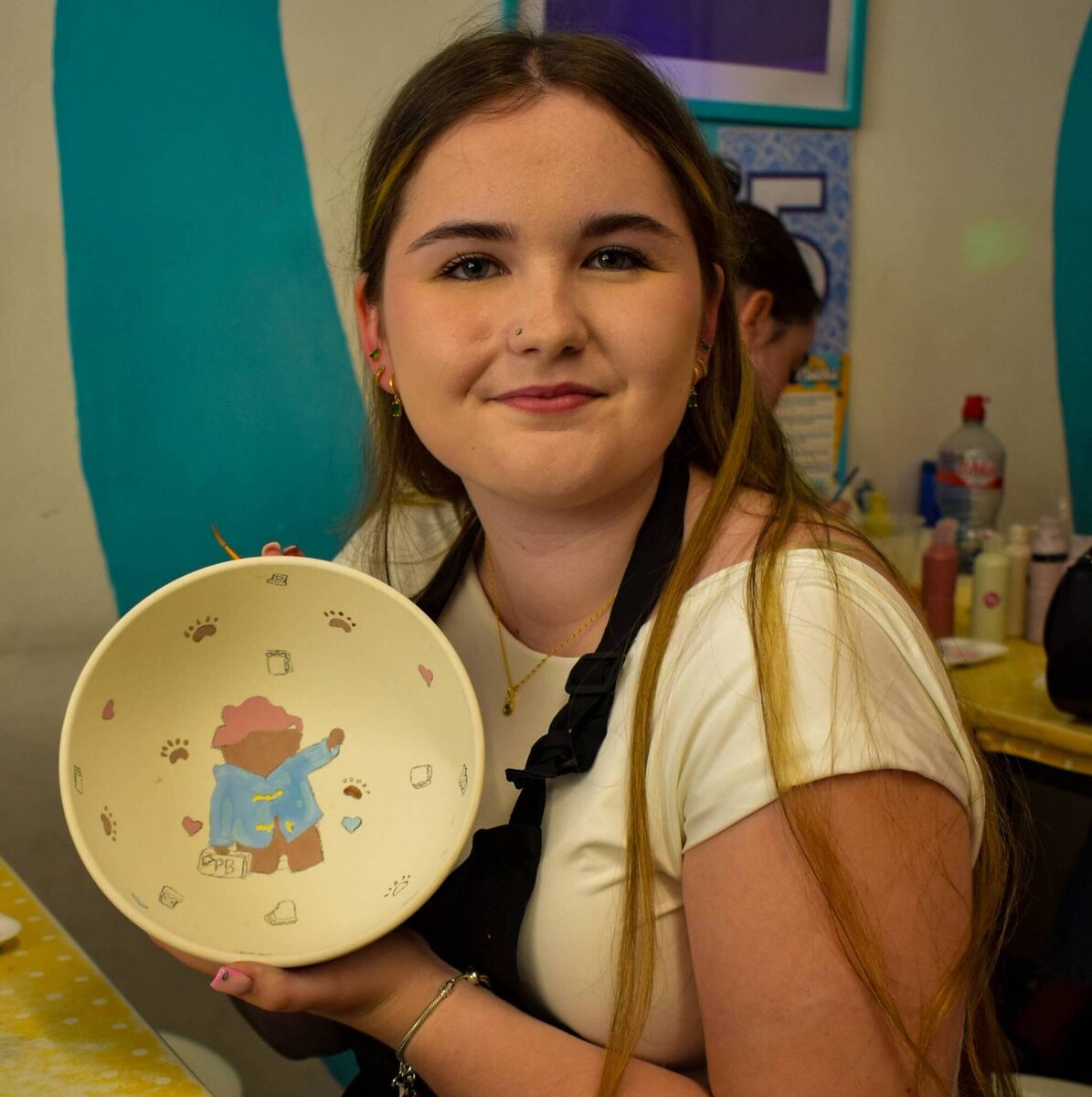
Megan Horry
Megan Horry

“I did clay for my Leaving Cert, and I loved it. I wanted to come back and do it in a fun environment,” she explains.

The Organisation for Economic Co-operation and Development’s social connection and loneliness report found that daily face-to-face interaction with friends and family across 21 European countries dropped from 21% in 2006 to 12% in 2022, with young people identified as among the most at risk of loneliness. Against that backdrop, perhaps what’s important is not that people are paying €45 to paint a cereal bowl, but that they are actively trying to find ways to connect and spend time with others.

Prof Kavanagh believes this reflects a broader change in how community is formed.

In the past, Irish people would have inherited a social world through mass attendance and local communities, she says: “Nowadays, many young people have to more proactively build social worlds. I think that intentionality can be a positive response to that reality. People are consciously seeking community instead of waiting for it to emerge naturally.”

Maybe that’s what all these bookings really are. Not evidence that a generation has forgotten how to socialise, but evidence that it refuses to stop trying. Yes, friendship has become more organised. More scheduled. More likely to involve confirmation emails than unexpected knocks at the door. 

But, perhaps that is simply what connection looks like in a generation figuring out soaring rents, unpredictable work schedules, shrinking living spaces, and lives increasingly mediated through screens.

The casual hangout has just had to shift to something more intentional.

The invitation has changed from “Come over” to “There’s this thing on Thursday”. Not because young people have forgotten how to be spontaneous, but because structure has become one of the few things modern life still reliably offers.

x

More in this section

Lifestyle

Newsletter

Eat better, live well and stay inspired with the Irish Examiner’s food, health, entertainment, travel and lifestyle coverage. Delivered to your inbox every Friday morning.

Cookie Policy Privacy Policy Brand Safety FAQ Help Contact Us Terms and Conditions

© Examiner Echo Group Limited