Modern mothers face more judgment, doubt and guilt than previous generations — here's why

Modern mothers have more information than ever before, but sleep practitioner Lucy Wolfe's research suggests they also face more judgment, more doubt and more guilt than previous generations, writes Gemma Fullam. Through interviews with 11 new mothers and their own mothers, she set out to discover why
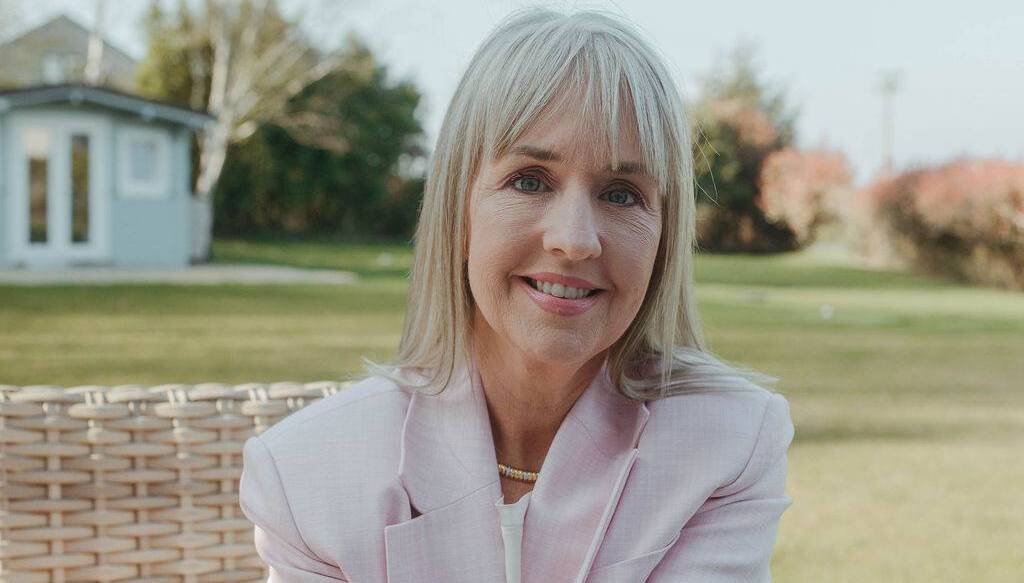
Lucy Wolfe Headshot 2026

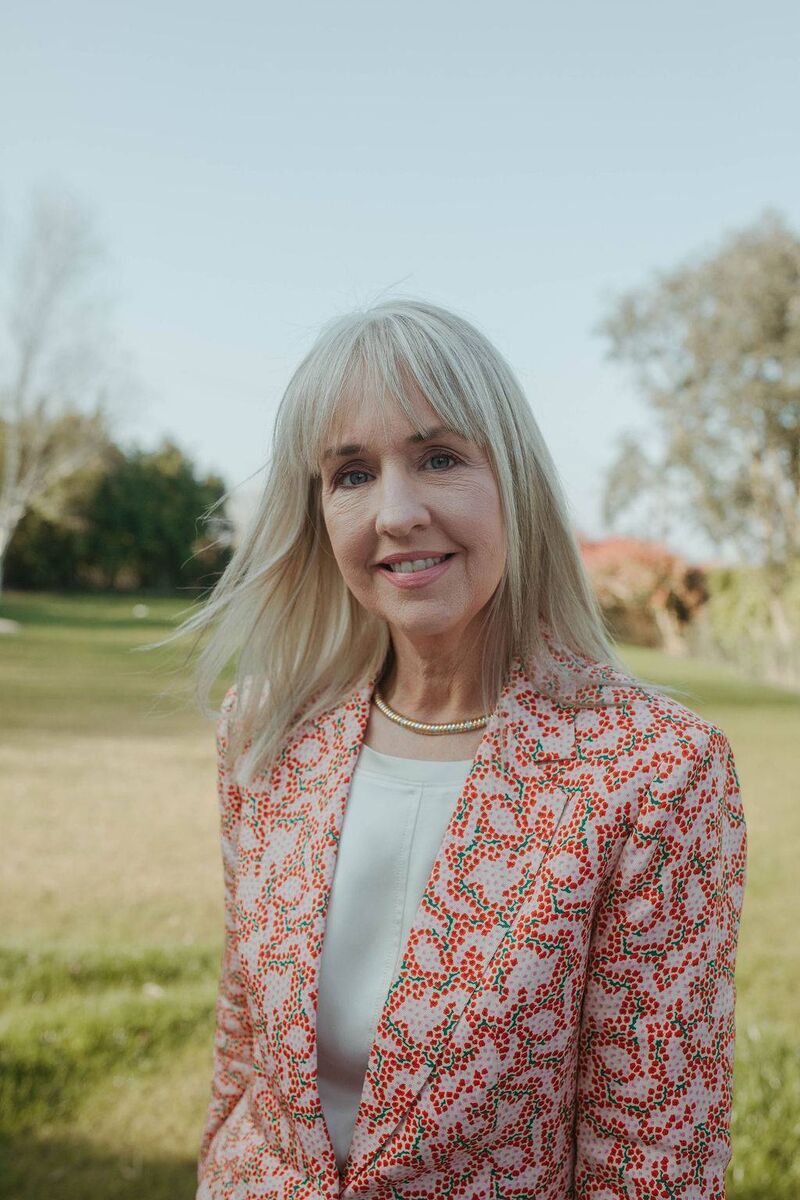
Lucy Wolfe Headshot 2026

These days, there’s no escaping optimisation culture and its judgy influence. Apps, tech, and social media constantly feed us information, advice, tips, hacks, and hot takes on how to exercise better, eat better, sleep better, do life better.
Once you hop on the betterment bus, just one sub-par sleep score or not hitting your step count on a particular day can make you feel a little like you’re failing at life; and ‘betterment burnout’ — mental, emotional, and physical exhaustion caused by the relentless pursuit of self-improvement — is a real possibility.

Unfortunately, the pursuit of perfection, and its toxic twin, the tyranny of comparison, has bled into every aspect of our lives, including motherhood.

Previous generations of mothers has limited sources of trusted advice — their own mothers, books by experts like Dr Spock or Gina Ford, and their doctor or local health nurse — but for modern mums, it’s not only parenting advice that’s coming at them from all angles, but idealised, curated versions of motherhood that bear no resemblance to reality.

Through research for her PhD, for which she interviewed 11 mother-daughter pairs, Cork-based sleep practitioner, relationship mentor, and author Lucy Wolfe found just how blindsiding the disconnect between expectation and reality can be for the mums of today in comparison to the their own mothers experiences of motherhood (for clarity, I will refer to the daughters of the pairs throughout as mums, and their mothers as mothers). The mums she spoke to were all “highly educated, highly accomplished” women, but their expectations of motherhood were, Wolfe found, vastly different to the expectations held by their own mothers decades previously.

Lucy Wolfe: "Even though there’s more information out there, and more discussion around motherhood and what motherhood is or should be, there’s a lot less compassion. Maybe a lot less kindness."

One mum Wolfe interviewed couldn’t believe how different new motherhood was from the idealised version she had seen online. Another, organised and meticulous in her professional life, assumed she could bring the same level of structure to parenting.

“Obviously, it didn’t transfer,” Wolfe says.

When the new mums couldn’t manage to make reality look like the fantasy they’d been sold, they ended up feeling like they weren’t doing a good-enough job of mothering, that they were doing “something wrong”.

“Even though there’s more information out there, and more discussion around motherhood and what motherhood is or should be, there’s a lot less compassion. Maybe a lot less kindness,” and with more information has come “more judgement, more doubt, and pressure and guilt”, Wolfe adds.

The most revelatory — and, frankly, shocking — finding from her research was around baby sleep. Wolfe found that no matter what method the new mums used to help their babies get to sleep, they felt shame. And, worse, even if they found a method that worked and their baby began to sleep well, they often still felt shame around that. Wolfe calls this ‘sleep shame’.

The shaming, Wolfe found, was both internal and external. The mums were judging themselves but were also experiencing judgement around baby sleep from the “wider community, other parents, sisters, mothers”.

“That’s not to say shame was completely absent for the older women,” Wolfe says, referring to the lived experience of the mothers of the mother-daughter pairs she interviewed. “But it definitely did not appear in the study to be as heightened as it is in the contemporary woman.”

“One of the [mums] was a teacher, and … when they’d all start talking about sleep [in the staff room], she would just slink away.”

The mum was bed sharing, Wolfe explains, and was ashamed she was doing that, and feared her peers would judge her for it (bed sharing, or co-sleeping, is not recommended by the HSE as it can increase your baby’s risk of suffocation or cot death).

Another mum, a psychologist, “wouldn’t tell her psychologist peers that she had sleep-trained because she felt they were all doing attachment parenting,” Wolfe says. “She was outside of what they were doing and would be judged as a result.”

Wolfe points out that some of the new mums’ mothers had similar issues with their babies, “some of them had really difficult sleep challenges. But they didn’t talk about their mental health the way the women of today do”.

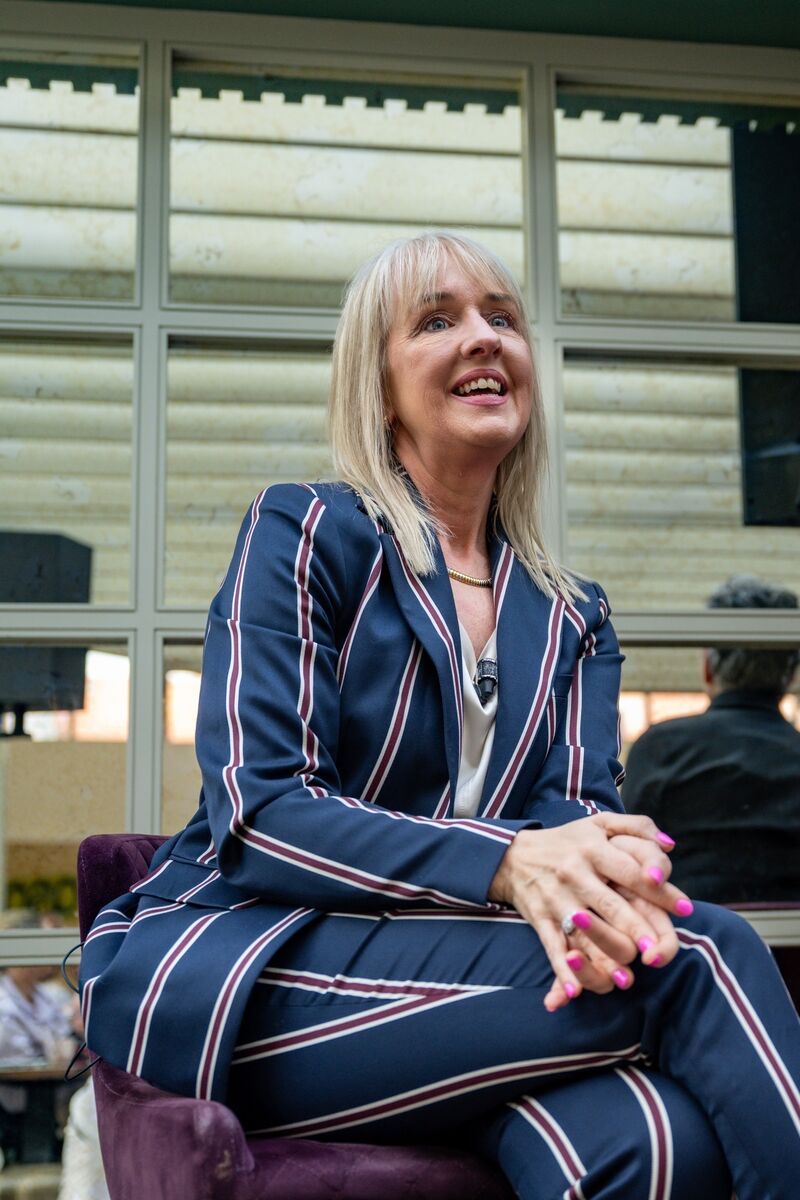
Sleep consultant Lucy Wolfe pictured speaking at an Irish Examiner Parenting coffee morning at Here’s Health in Douglas Court Shopping Centre, sharing practical sleep tips with parents. Picture Chani Anderson.

Those women had more community around them and took advice from their elders. By contrast, their daughters, favoured a “data-led approach” as mums, and deferred to apps, social media, books, websites, and professionals on matters of baby sleep, as they consider their mothers’ guidance out of date.

But is more information making things better for women? Or is it just adding to their mental load?

“The contemporary woman is pretty overwhelmed by the amount of information that’s out there because it is wide and varied,” Wolfe says. “They’re getting information from TikTok. They spend two seconds on one video, and then every video they’ll see thereafter will be some contradicting guidance about every aspect of childhood development, not just sleep.

“But I think the sleep can be very difficult because it can be very emotional, and there are lots of lines of thought around what the right thing is, or the right way or method might be.”

Becoming a mother for the first time fundamentally changes how women see themselves, which, Wolfe says, can come “as a real shock”. This identity shift is happening at a time when everything is intensified — additionally so by the sleep deprivation that accompanies new motherhood, and the effort involved in getting a baby to sleep. New motherhood is also when there’s a re-evaluation of “pretty much everything, your values, your own looking back at how you were parented”, Wolfe says, “it’s a turning point”.

It’s at this juncture that gap between the fantasy of motherhood that is held by many contemporary women and the actual reality of it becomes apparent.

Wolfe, who was 13 when her parents moved from the UK to Cork “for a better life”, has been helping parents get their babies to sleep for 15 years, and is herself a mum of four.

Coping with her own children’s sleep issues, and being told “look, there isn’t anyone” by her GP when she asked about baby-sleep support, inspired the former auctioneer to set out on her new path as a sleep practitioner.

She hasn’t looked back, nor has she stopped educating herself and racking up a serious set of qualifications in what is an unregulated industry.

The internet and social media is now where many people get their news and health information, but too often, it’s misinformation they are getting. While drinking some celery juice or taking a magnesium bath is unlikely to do you any harm, the same cannot be said for baby sleep advice from so-called ‘experts’.

In May, a BBC investigation found the advice given to some new parents by certain UK-based self-described sleep experts was putting babies’ lives at risk, and was contrary to long-established safer sleep NHS guidelines. Medical professionals who watched the footage said moments of it had left them “sick” and “horrified”.

“I think it’s really important that this conversation has come to the surface through the BBC investigation,” Wolfe says. In the 15 years since she began working in the field, the number of practitioners offering baby sleep advice has increased exponentially. “It’s not news to sleep consultants that the industry is unregulated, but it easily was news to parents.”

She advises parents to be questioning: what training, experience and education does the practitioner have? In addition to any child sleep consulting training, it’s Wolfe’s opinion that an additional qualification of “at least third level or higher in a health-related discipline” is non-negotiable.

For some time now, she and two colleagues have been working towards setting up a self-regulatory body in Ireland, which would also “have a vehicle to lodge complaints or concerns about a practitioner, which doesn’t exist at the moment”.

Wolfe’s findings spotlight a modern malaise: Mothers today have more information and resources than at any time in history, yet they’re feeling overwhelmed and judged at a time when they are most vulnerable. Change is needed, and it must begin with listening to women.

“If we can understand how it is for a woman, then what can we do differently as a society, as a government, as an education framework and to the people who are charged with caring for women in the early years?”, Wolfe says.

“Would it change the way we do things?”

For Wolfe, the answer is yes. For her, the learnings from her research have brought about fundamental change: “It changes everything about the way that I practice. The way that I speak, the way that I write, and the way that I support people.”

Visit lucywolfesleepplans.com.

x

More in this section

Lifestyle

Newsletter

Eat better, live well and stay inspired with the Irish Examiner’s food, health, entertainment, travel and lifestyle coverage. Delivered to your inbox every Friday morning.

Cookie Policy Privacy Policy Brand Safety FAQ Help Contact Us Terms and Conditions

© Examiner Echo Group Limited