Bernard O'Shea: Now I'm in my 40s, alcohol affects me differently — here's how and why
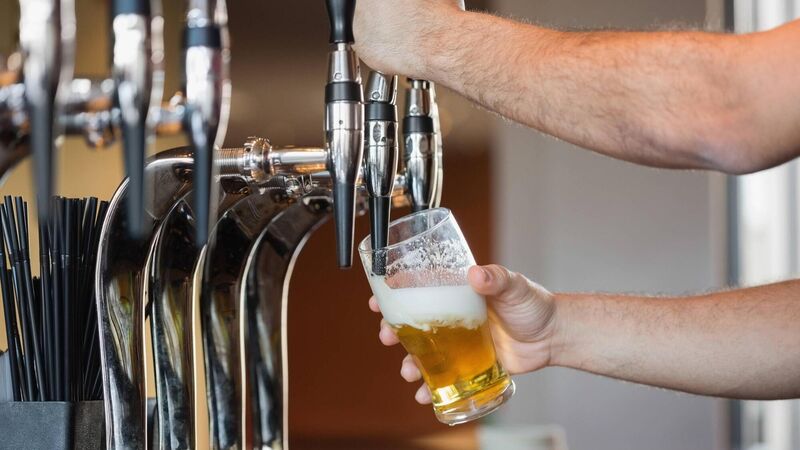
One glass once meant a good night ahead. Now, in my forties, it signals a difficult week, says Bernard O'Shea
Bernard O'Shea: Now I'm in my 40s, alcohol affects me differently — here's how and why

'Hangovers were once an inconvenience, not an event. They lasted a morning at most. Not any more,' reflects Bernard O'Shea

IN my 20s and 30s, drinking-session recovery was quick: A glass of water, a bag of crisps, a few hours in front of the television, and you were back.

Hangovers were an inconvenience, not an event. They lasted a morning at most. You could plan around them. By my mid-40s, that had changed.

And it doesn’t have to be a big night. That’s the shift. It’s what one or two drinks quietly set off afterwards. I wanted to understand why. Not in a vague "sure it gets worse with age" sort of way, but properly. What is happening inside the body that wasn’t happening before?

There are a few reasons, and none of them are encouraging.

The first is water. As you age, your body holds less of it. Alcohol spreads through the water in your system, so with less water the same number of drinks is a higher concentration in your blood. The same drink hits harder. That’s not in your head.

The second is your liver. It processes alcohol more slowly than before. What your body once cleared overnight now lingers. 

The hangover is no longer a morning. It’s a process.

The third is sleep. Alcohol, even in small amounts, interferes with restorative sleep. In your 20s, you could absorb that and still function. In your 40s, your sleep is already less reliable. Alcohol doesn’t just reduce a good night’s sleep — it drags an average one down to something far worse.

Put those together — less water, slower processing, poorer sleep — and the maths becomes uncomfortable. One drink early in the week can still be affecting you days later.

That’s what I notice now. One drink behaves differently. Not in a dramatic way. Not in a way anyone else would see. But, internally, something shifts. One drink becomes the start of a negotiation I usually lose.

The plan is always reasonable. Have one or two. Be home at a decent hour. Up the next morning and back in to routine. But once the first drink lands, the version of me who made that plan quietly steps away. Decisions start getting made by someone else.

The hangover is no longer just physical. That part I understand: The dry mouth, the low-level headache, the sense that your body is doing repair work it didn’t clear with you first.

The mental hangover is different. It arrives slowly, usually around day two. It doesn’t announce itself. It just settles in. Everything feels slightly harder than it should. 

The good habits you’ve been building — the routine, the structure, the small decisions that keep things steady — don’t disappear. They just stop feeling worth the effort.

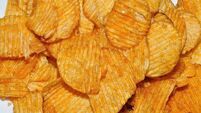
And then the eating starts. Hangover hunger isn’t normal hunger. It’s urgent, specific, and deeply unhelpful. It points almost exclusively at beige things. Bread, obviously. Crisps. Chips. Anything fried. Portions that would have been excessive even years ago. 

You’re not eating because you’re hungry. You’re eating because your brain is trying to get you back to something resembling normal, and normal seems to be hidden inside a large bag of Meanies.

Last week was a lesson I didn’t particularly want. I had more drinks than I’d planned — as tends to happen — and what followed was the worst week of eating I’ve had since starting this. Not one bad day. A full week. 

The structure collapsed. The good choices felt pointless. The voice that usually says: "Grand, but maybe not the second portion", had taken time off. That’s the real effect now. It’s not just the drink. It’s what the drink switches off.

The 0% alcohol options have helped. I was sceptical at first. There is something faintly tragic, on paper, about holding a drink that looks like a drink, smells like a drink, and costs very close to a drink. 

But, in practice, it works. You’re still part of the night. Still at the table. Still in the conversation. Nobody is questioning it. And you’re not dealing with the three-day fall-out.

It’s not the same. But it’s close enough. And the next morning, the routine is still there. The better choices are still available. The voice in your head hasn’t disappeared.

That, more than anything, feels like the issue now. Alcohol doesn’t just affect how I feel. It affects who is making the decisions. One or two drinks can quietly remove the version of me that’s been doing most of the work.

I turned 47 recently, which feels less like a birthday and more like an update. 

The margins have narrowed again. The gap between ‘that was grand’ and ‘that was a mistake’ is now very small. What I once absorbed without thinking now has consequences I can predict.

I’m not swearing off alcohol entirely. That’s not realistic, and it’s not the point. But I am trying to be honest about what one drink actually costs now. Not in calories or units, but in days; In the week that follows; in the habits that quietly unravel while your brain is busy making deals with itself.


One drink and I’m off to the races. The problem is, the race now lasts a week. And I’m the only one running it.

x

More in this section

Lifestyle

Newsletter

The best food, health, entertainment and lifestyle content from the Irish Examiner, direct to your inbox.

Cookie Policy Privacy Policy Brand Safety FAQ Help Contact Us Terms and Conditions

© Examiner Echo Group Limited