My Life with Wesley Whitworth: Even at 53, I still love being a goth
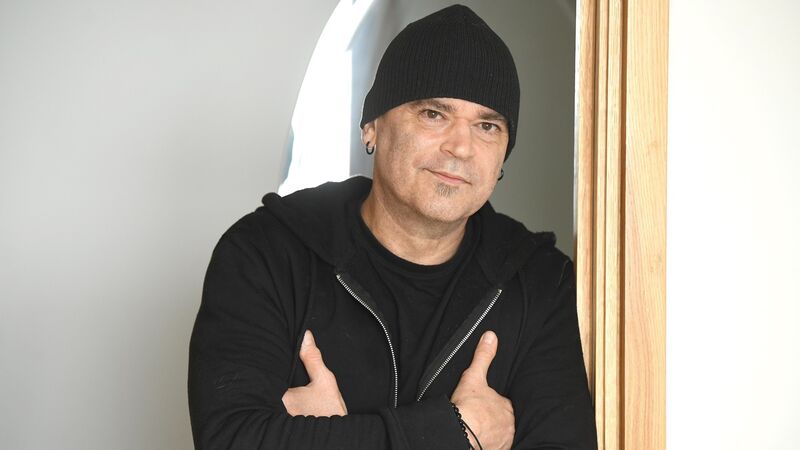
Wesley Whitworth. Pictures: Moya Nolan
Even at 53 years old, I still love being a goth, but people haven’t always been as open-minded as they are today.
My style has not changed much over the years. Much of what I wear I make myself because it is so bespoke.
My fashion staples consist of the jackets with the spikes and chains and, of course, the mascara and eyeliner.
I don’t favour the white face so much anymore. Oddly enough, I find the humidity destroys it.
Either you sweat the powder off or it runs off, but the inevitable result is a big mess. The eyeliner, lipstick and piercings are still fair game.
I was heartbroken when Claire’s Accessories closed down. They were great for all things goth-related, particularly the eyeliner and piercings. Granted, I wasn’t their typical customer, but I never got so much as a side eye when going in there to shop.
I relocated from the US to live in Ireland shortly after the 9/11 attacks.
My background was in the military and I had worked in the navy as a diver. I knew I didn’t want to be near any of it.
My mind was made up. I was going to a place that was neutral and where people were nicer. The main thing is that nobody was going to bomb us.
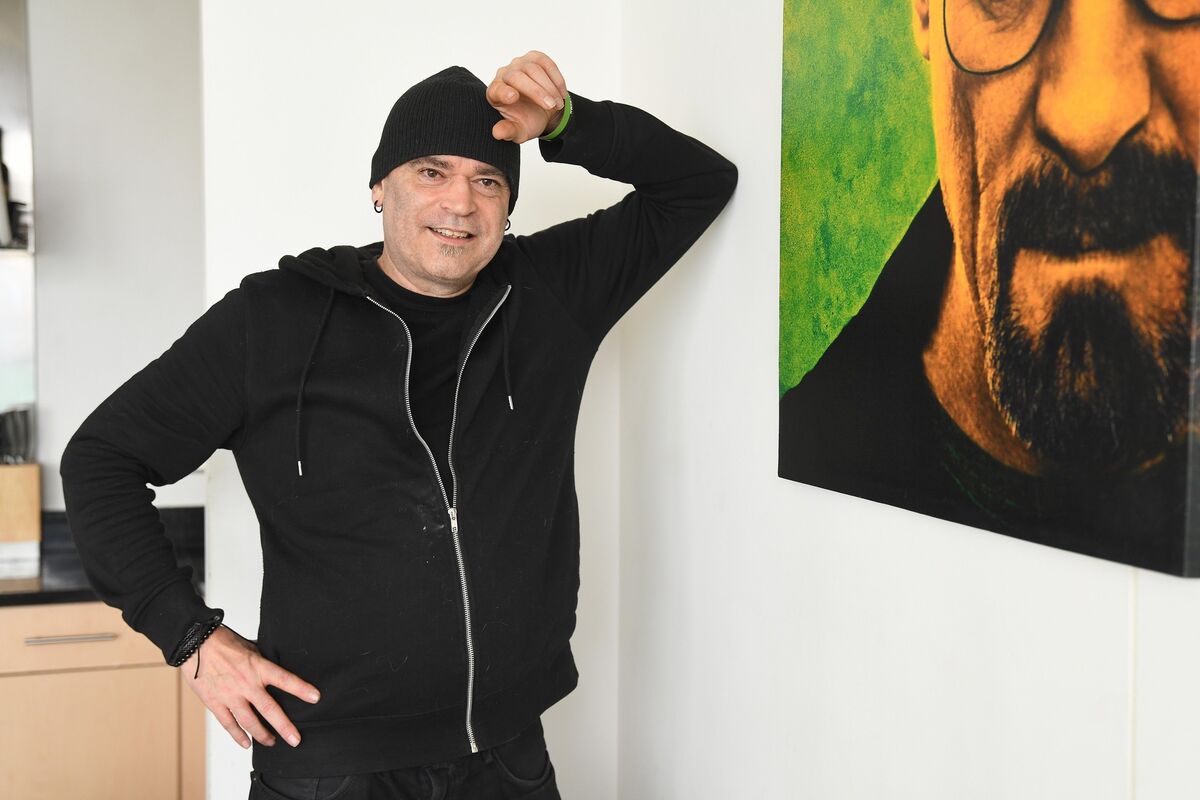
I am based in Dublin where I work as a solutions architect. I still dress the same. As a matter of a fact, there isn’t an item of clothing in my wardrobe that isn’t black.
My son Mark was the same. I can remember taking a picture of our drying rack when I was still with his mum. It was just this sea of black. The handiest thing about being a goth is you don’t have to worry about trying to match up socks in the morning.
My childhood was a far cry from my son’s, unfortunately. I grew up in a small town in Vinton in Virginia where being different is largely frowned upon.
It was quite a conservative place during my youth. Not only that, but there was very little to do.
On a Friday night you cut an apple in half to see which side browned faster and that was about the height of entertainment in the area.
My family didn’t like me wearing mascara and embracing goth culture. It was just one of the reasons I moved out of home when I was around 14.
I still went to school and worked part-time shifts in a steakhouse and later a supermarket. I continued attending school and survived by couch surfing. Luckily enough, the parents of my friends were very cool and looked after me as best they could.
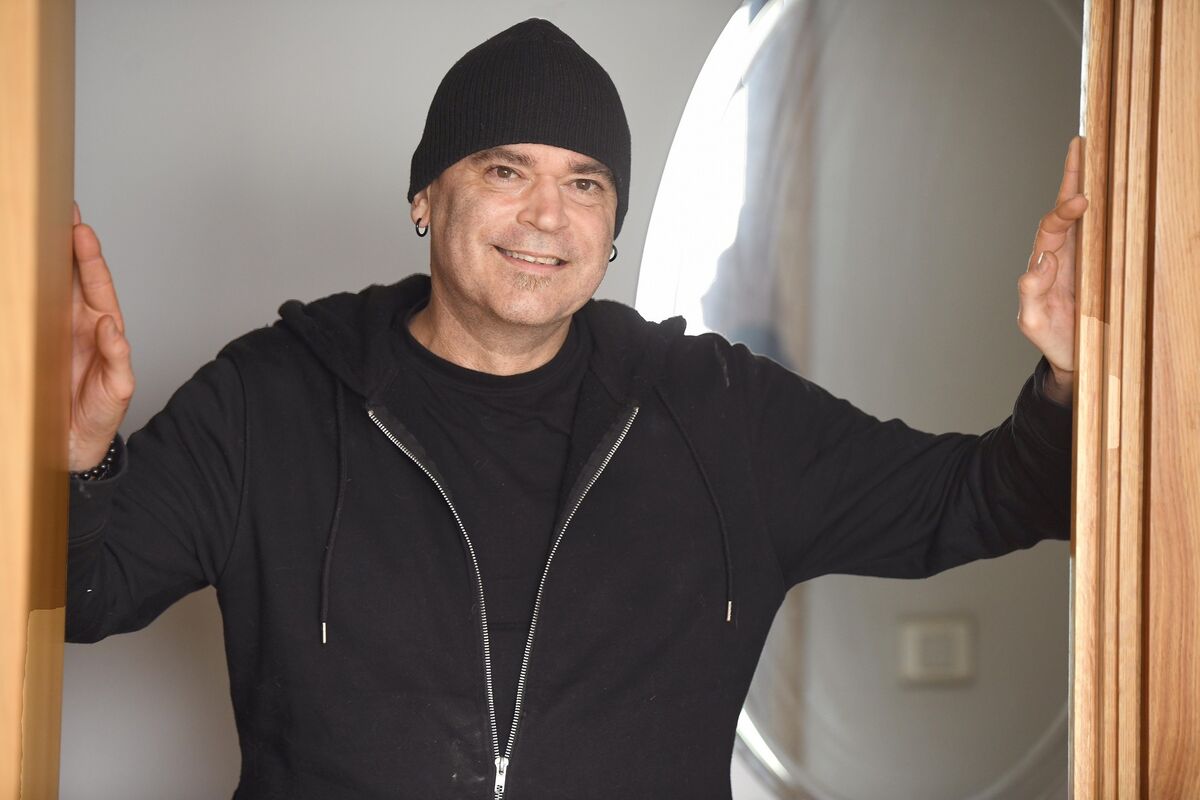
I was always determined to succeed in life. My biggest fear was ending up like some of the people I still see on Facebook who never made it out.
The way I dressed did affect me during my early days working in IT.
A perfect example of this is when I was working for a tobacco company in the South.
I’ll never forget when my boss pulled me aside after bumping into me on the way to a gig. He took offence to what I was wearing and I faced a barrage of questions that lasted around 20 minutes.
“What’s wrong with you?” he asked me. “You know you’re a guy right? You can’t be wearing make-up.”
I could tell by the questions he was asking that I was going to lose my job. A few weeks later, my contract ended and they didn’t renew it.
It didn’t dampen my passion for the goth scene. When these things happen, you just build a bridge and get over it.
I was lucky to have friends who embraced me for who I was. One of those was Chuck who I am still in touch with today. He actually built me a coffin to sleep in because I couldn’t get a bed into the cellar of the house where I was living at the time.
The world is different now. Walking through Jervis Street in Dublin, and even working in the shops, you’ll see a lot more alternatively dressed people. It’s more or less ingrained into society that being different is okay.
As for me, I’ll probably be dressing this way until I die.
These days I manage and promote activities within the Goth Ireland Facebook group. Here we post about gothic, rock and metal events taking place locally.
As a promoter of rock and metal shows in Ireland, I’m committed to promoting goth culture and giving people that sense of belonging that is key to a healthy and happy society.

CONNECT WITH US TODAY



Be the first to know the latest news and updates