My Life with Dr Sean Dunphy: I was a doctor on call during the Fastnet disaster
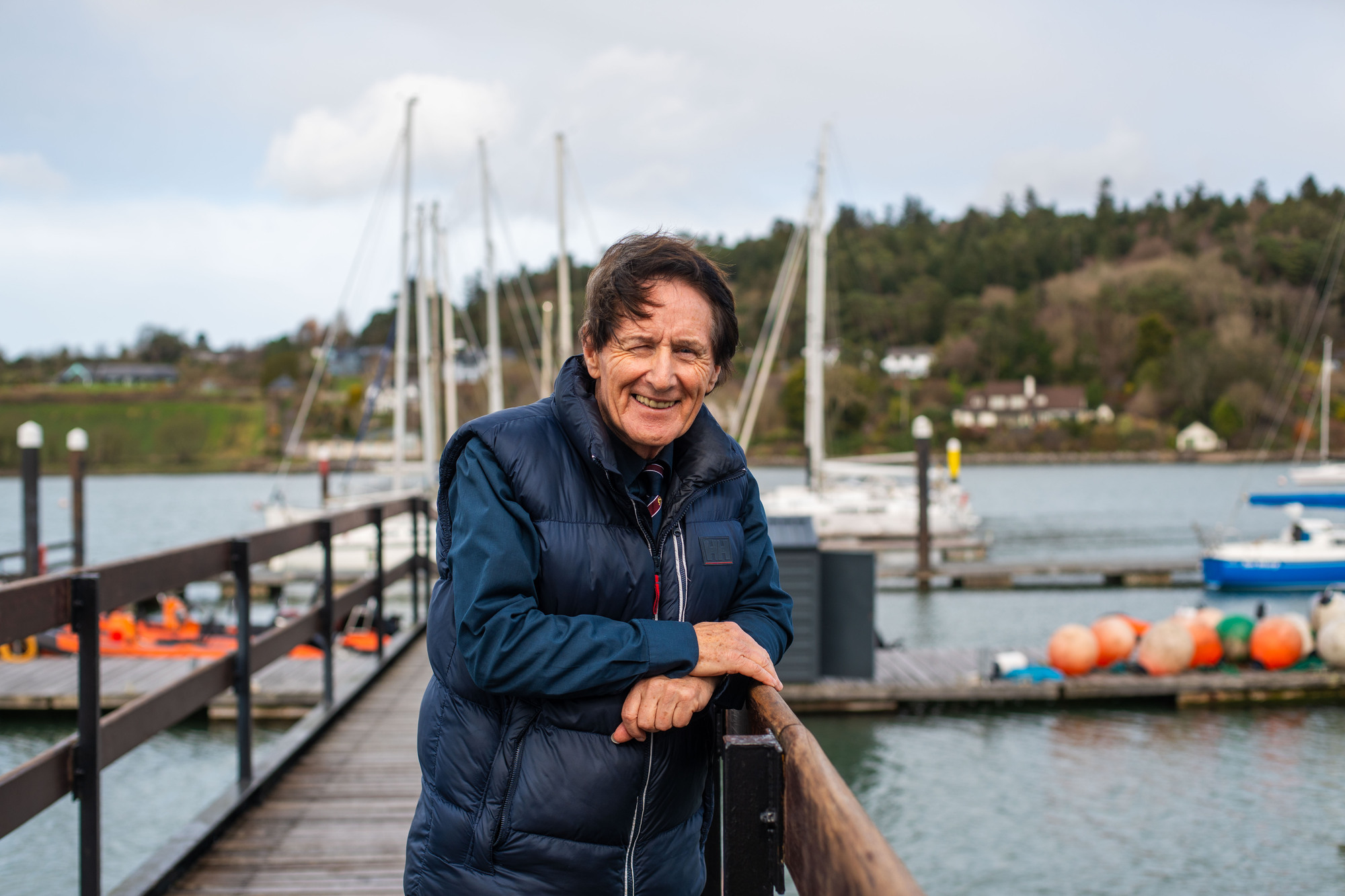
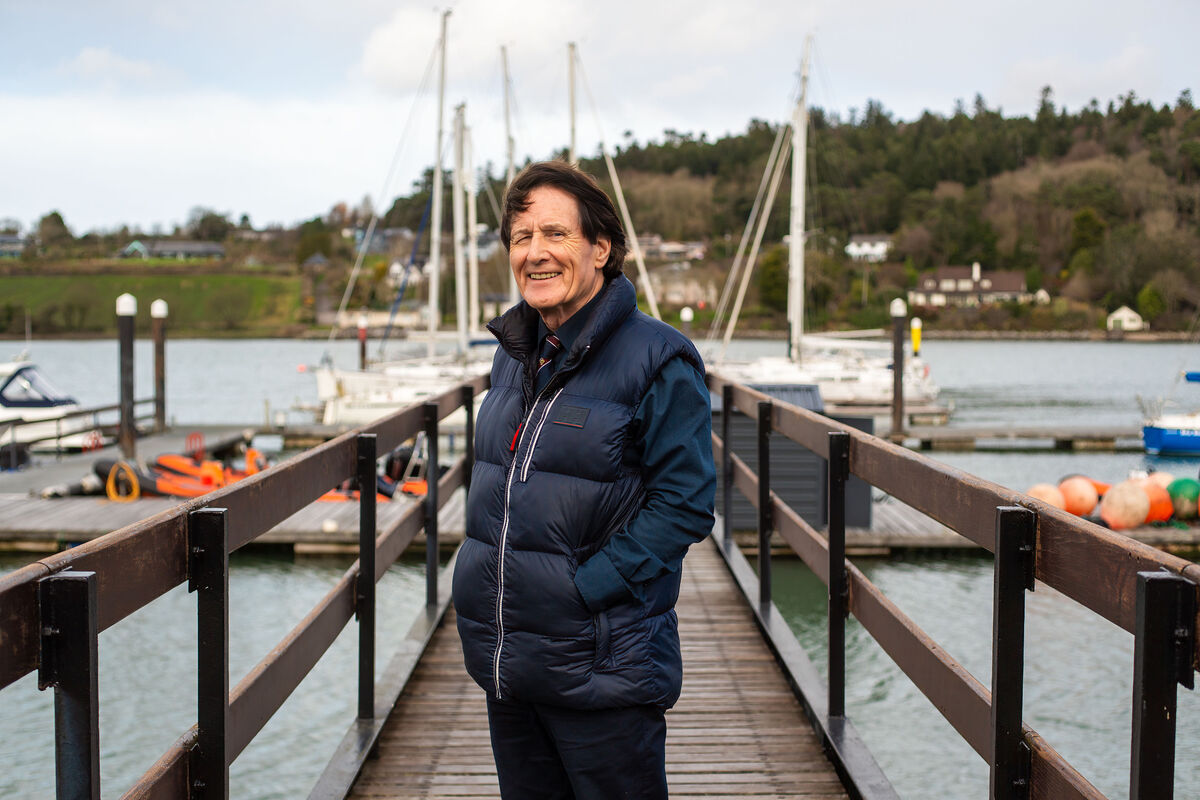
Dr Sean Dunphy at Crosshaven Royal Yacht Club. Carrigaline based Dr Sean Dunphy reflects on the role as the GP on duty during the night of the Fastnet disaster in 1979. Pictures by Noel Sweeney
As the doctor on call that day, I expected the worst, but nothing could have prepared me for what I was about to witness.
Locals of a certain age in Crosshaven will remember the Fastnet tragedy of 1979. As a GP with surgeries in Crosshaven and Carrigaline, I was there to watch the tragedy unfold in real time after being called to assist with casualties.
I can still remember the phone call alerting me to what would ultimately become the largest ever sea rescue operation in peacetime. While I knew it was serious, I had no idea the event would one day go down in yachting history as the deadliest disaster of its kind.
The first thing I did was cancel my surgeries before heading to the Royal Cork Yacht Club to receive incoming boats.
It was August 1979, and the air was thick with excitement for the 610-mile Fastnet Race. However, this anticipation and celebration had now given way to devastation. The scale of the tragedy was yet to be determined.
As the merciless gale force 10 wind ripped through the Atlantic at Fastnet Rock, hundreds of crews radioed for assistance. The Irish weather forecast picked it up first, but its British counterparts didn’t.
We didn’t know what was going to happen, how many casualties there were going to be, or how we were going to deal with them.
A fleet of 303 yachts started the race, but only 86 finished. Among them were five boats that sank. A further 24 were abandoned and more than 75 boats fully capsized — 21 people died in the event, including 15 sailors and six observers. The storm hit the fleet in a way that nobody could ever have predicted.
We expected that the majority of casualties and injuries would arrive into Cork Harbour since this was an easy berthing place. It was also an ideal location in light of its proximity to Cork University Hospital. However, the urgency meant that people just had to aim for any shelter they could get.
I waited at the Royal Cork Yacht Club for 48 hours. My role was to debrief survivors in boats where they had lost three or four personnel to the storm. The whole event was quite horrific as you can imagine.
I was expecting broken arms and legs among other injuries, but shock seemed to be the most obvious common denominator.
This was the last thing on earth we expected to happen in Cork but I had to help people as best I could. There were rooms available in the yacht club but I chose to sit with people in their boats instead.
I thought it best to give survivors the time to process what they had experienced in the place where it had happened. I had undertaken two years of psychiatric training, which was very helpful when dealing with this once-in-a-lifetime disaster.
There is a huge variation in how people react following a tragedy of this scale. You can only imagine the misplaced guilt that people who lost crew members might have experienced. There are so many heartbreaking questions.
“Why were they drowned and I wasn’t?”
“Was there more I could have done?”
“Was the boat adequately decked out?”
The list is endless.
Still, people were very grateful to be getting attention. Many were just glad to have their boats intact. A huge number of vessels had been abandoned in the chaos. It was utter devastation.
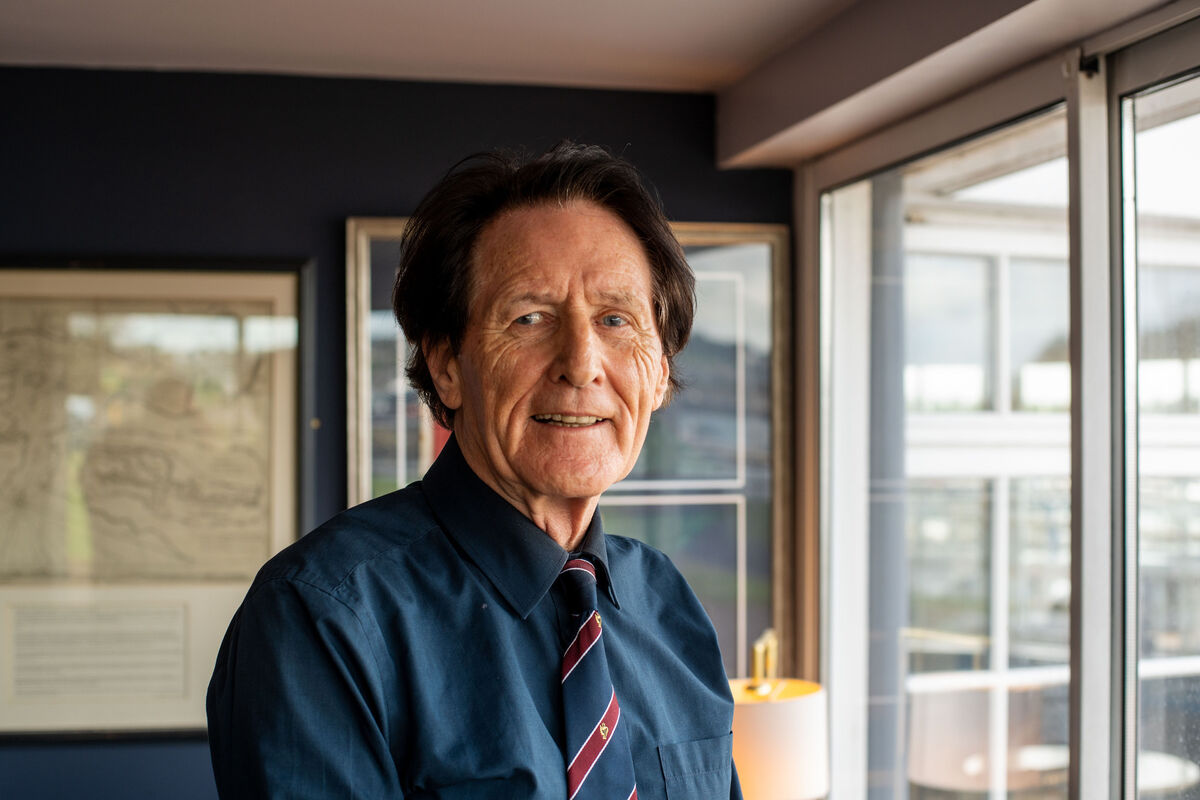
I spent many hours sitting on board boats debriefing surviving sailors. It took that long to let people talk about their memories of what happened and process them.
Communities often pull together in times of need and Crosshaven was no different, offering food and whatever support they could to survivors. The yacht club was still receiving communications months later in recognition of how well they coped with the situation.
For me, the biggest plus of medicine is being able to console and reassure people and I’m so glad I was able to that in what small way I could.
It took me a while to come down from the anxiety and adrenaline of what had happened. Of course, you are thinking the worst when you get a call like that. It’s pretty exhausting when you are psyched up to face major problems that you know will take 48 hours to evolve. I was dealing with the shock of it all, and there was no easy way of doing that.
The only real comfort we can derive from a tragedy like this is the complete overhaul of safety rules and equipment requirements it led to for offshore racing. I have no doubt they saved lives.


CONNECT WITH US TODAY



Be the first to know the latest news and updates