Suzanne Harrington: 100 years on, why are we still so fascinated by Marilyn Monroe?
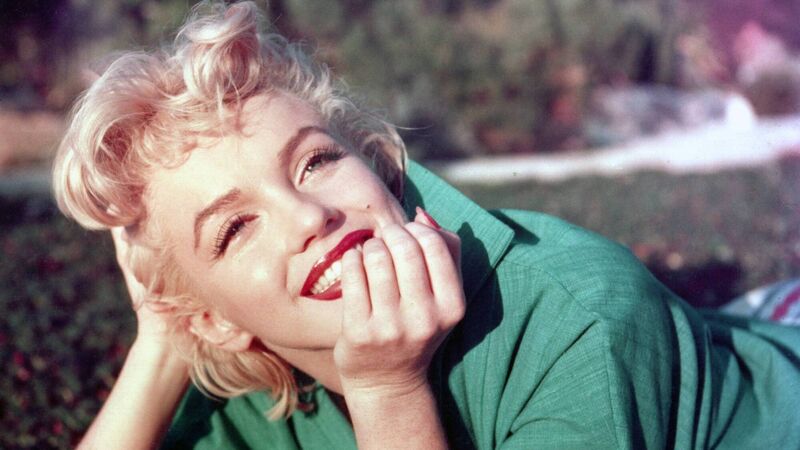
Actress Marilyn Monroe poses for a portrait laying on the grass in 1954 in Palm Springs, California. Picture: Baron/Hulton Archive/Getty Images
Born one hundred years ago this year, on June 1, 1926, Marilyn the person has been dead far longer than she was ever alive — yet our ongoing attachment to Marilyn the commodity has never quite allowed her to rest in peace. We just can’t seem to let her go. What is it about her that we find so compelling: Her beauty? Her verve? Her intellect? Her woundedness?
Dying in ambiguous circumstances at 36 meant that the idea of her — Marilyn, the goddess bombshell — created an indelible groove in the 20th century’s collective cultural memory. Imagine if she’d lived. Imagine watching her age unnaturally, filled with Ozempic and plastic surgery. Or — quelle horreur — imagine if she had allowed herself to age naturally? Either way would have been unforgiveable. Our icons are always more desirable when they’re dead.
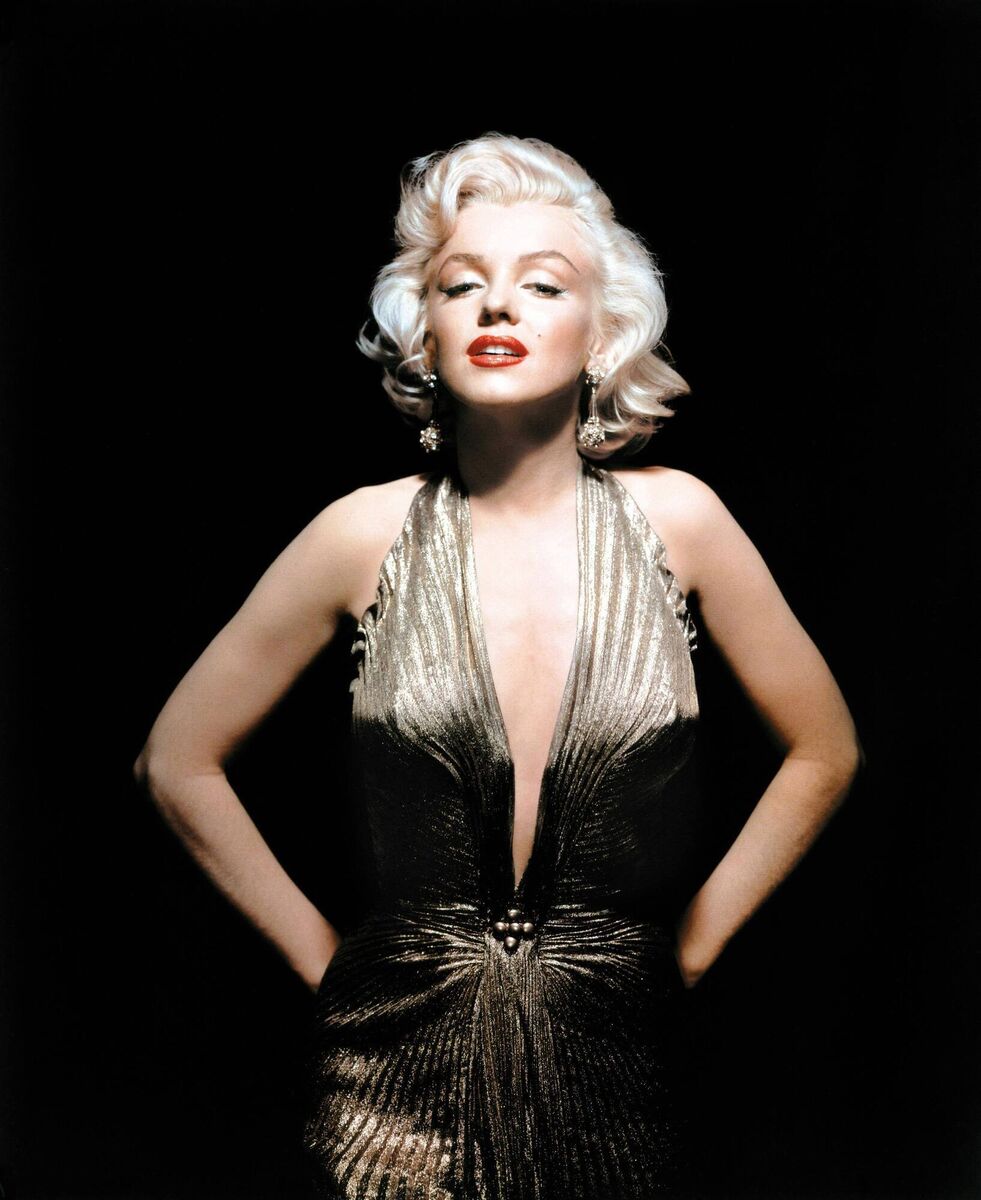
The thing is, Marilyn didn’t age. She remains frozen in our consciousness like something perfectly preserved in ice, her image so ubiquitous — from Warhol screenprints to cheap posters, as to render her part of our literal and cultural wallpaper.
To celebrate the centenary of her birth, commemorative events are planned throughout the year. In Haarlem in the Netherlands this May and June, a MM100 Festival will include film, theatre, art, and a special MM cocktail. In the US at Art Miami, artist Russell Young leads another year long MM100 series involving glitzy art works, sponsored by luxury goods items — her image will be stamped on limited edition champagne bottles. Slightly less tacky is Marilyn Monroe: A Portrait, at the National Portrait Gallery in London, which features works by Andy Warhol, Cecil Beaton, and Richard Avedon.
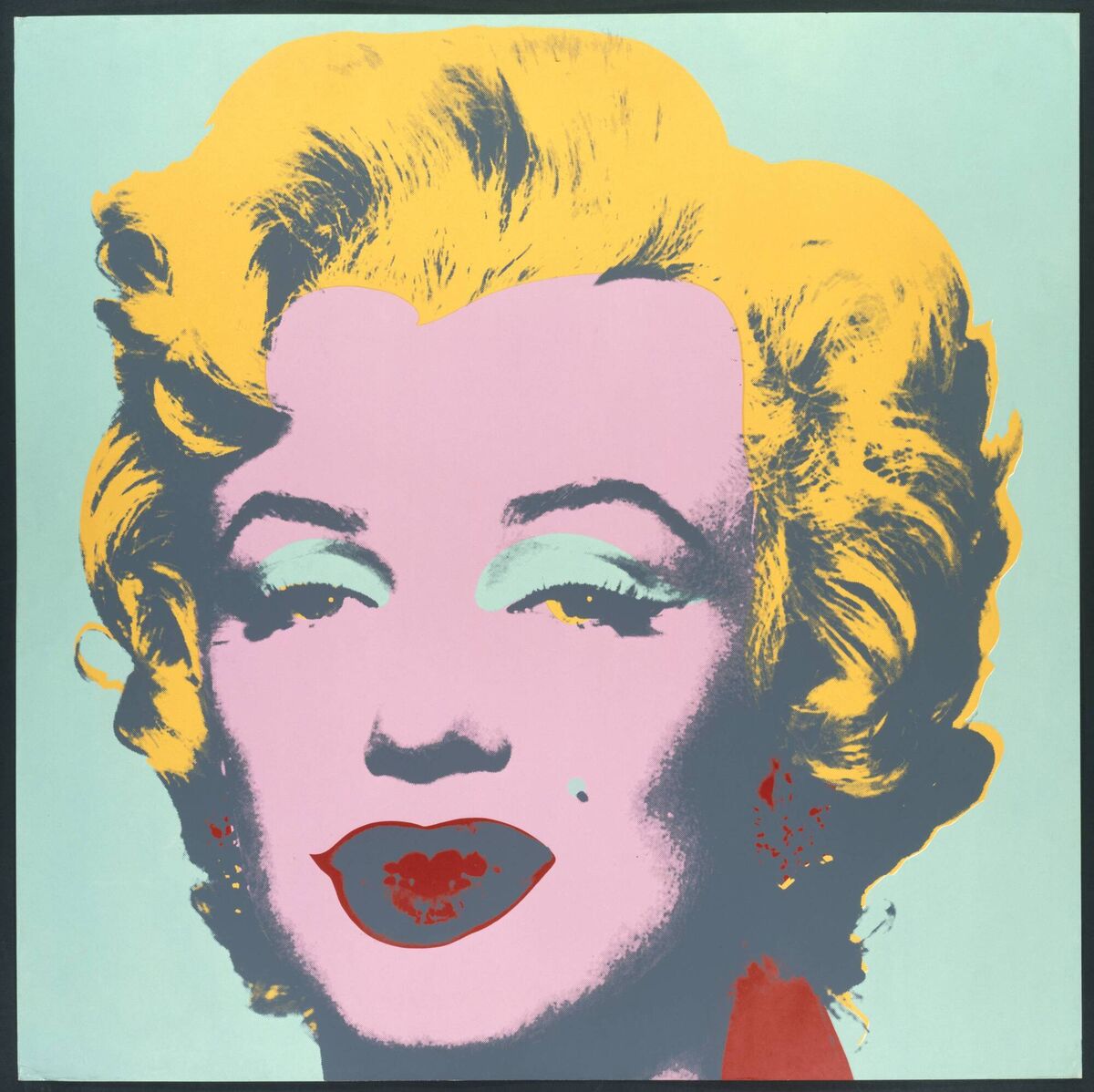
And, of course, there’s a coffee table publication, Marilyn Monroe 100: The Official Centenary Book, released by her estate on May 5. This will contain early images taken when she was still Norma Jean Baker, publicity shots when she was an up-and-coming actor, and the famous images taken by Eve Arnold, Henri Cartier-Bresson, Elliot Erwitt, and Bruce Davidson from her film sets — including the most iconic of all, Davidson’s shot of the white dress blowing up when she stood on the subway grate during the filming of 1955’s . The book ends with a shoot for Life magazine, showing her smiling radiantly two days before she died.
Marilyn was a construct, self-created for the camera. Her beauty tricks are well documented, her understanding of lighting in a pre-digital era, her smart use of sexuality when female intellect was still deemed irrelevant or threatening or both, especially if they were hot. Marilyn was smoking hot in the brains department, but that’s not why we remember her. We remember her gorgeousness.
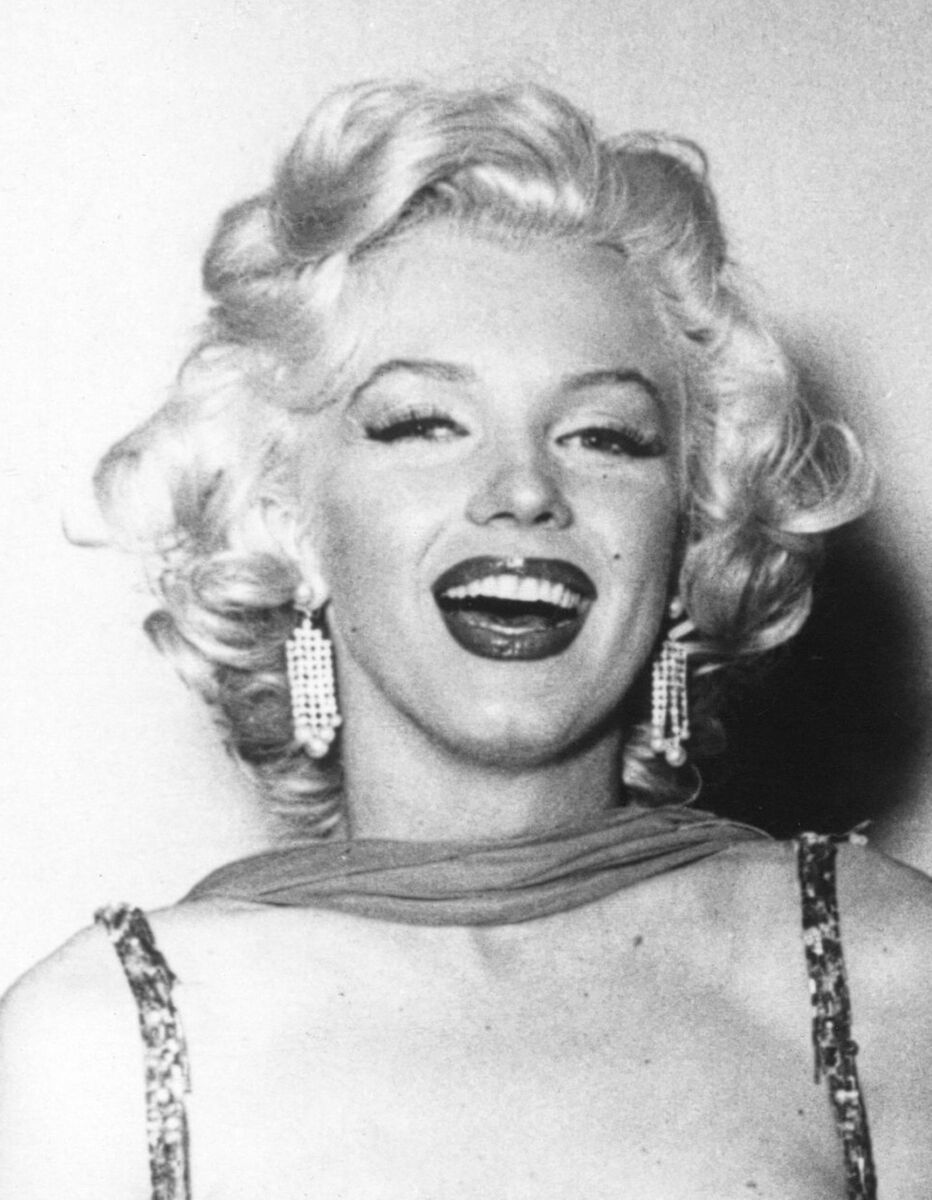
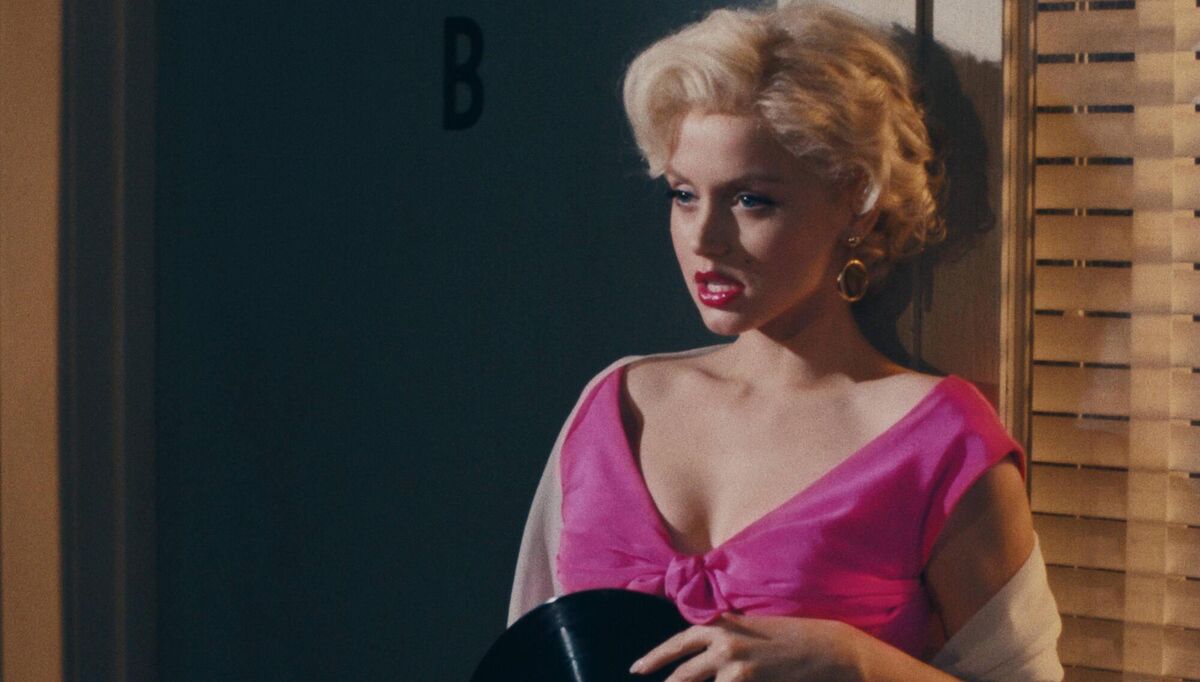
Despite the puritanical climate of the day, such was her projected vulnerability that the public forgave her.
Her cultural influences were broad. Aesthetically and artistically, she inherited much from 1930s film goddess Jean Harlow, from platinum hair to comedic timing. She revered Abraham Lincoln as a kind of moral compass, and declared Ella Fitzgerald the greatest” — the two had a close friendship at a time when racism was enshrined by law.
However, it was literature, psychoanalysis, and her acting teachers who were her most powerful influences. This was at odds with a pre-feminist society which expected women to keep quiet about their intellect and focus on their appearance.
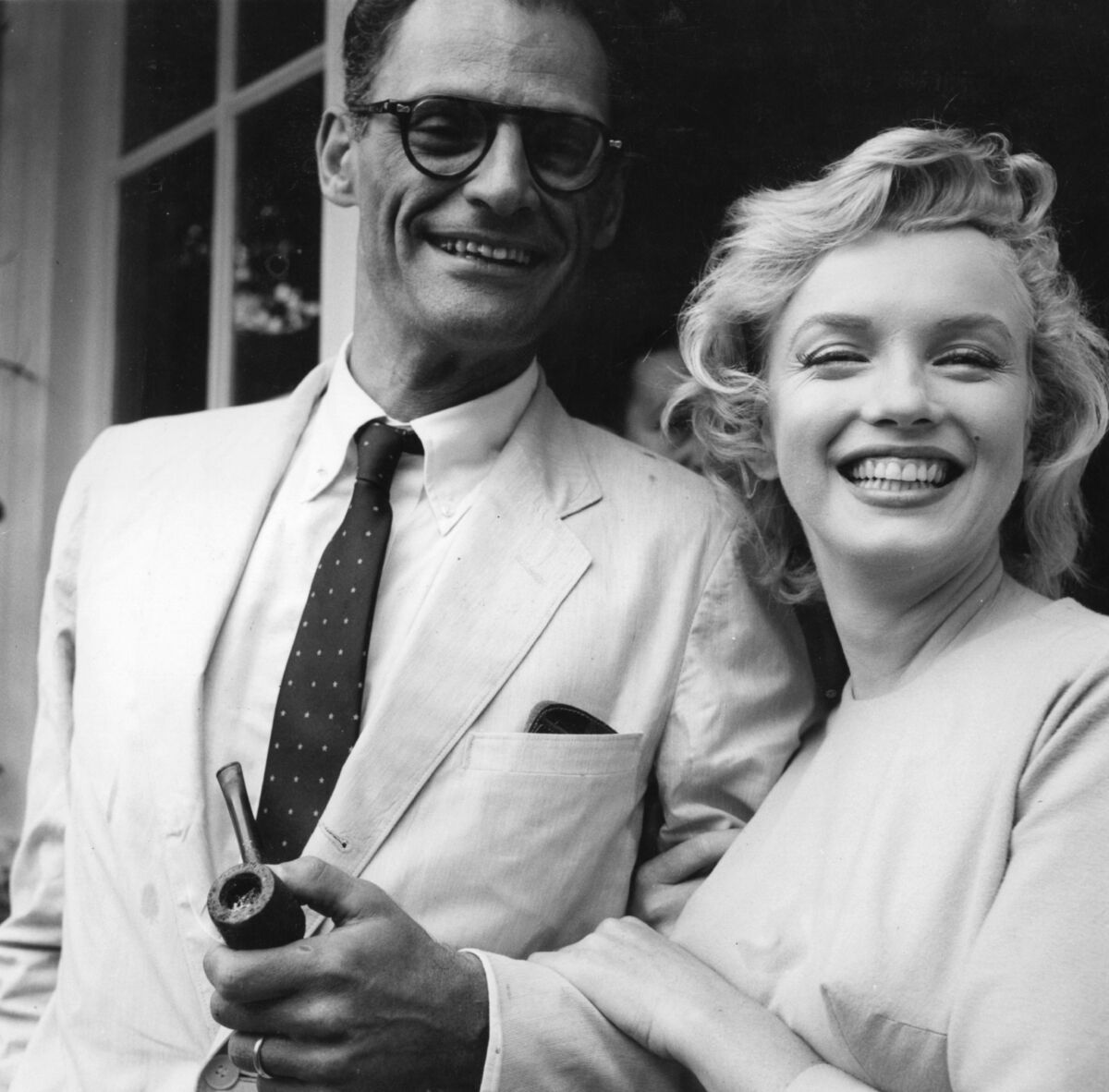
Which is why, despite ongoing internet speculation that Marilyn’s IQ was on par with that of Albert Einstein’s, it was never her mind which was revered — it was her looks. Her wiggle. Her breathiness. Her blondness. The most convincing role she ever played was that of dumb blonde — because in real life, she was neither.
A huge reader, she kept a personal library of more than 400 books. She’d read Arthur Miller before ever meeting him, already half in love with him when he was still married to someone else. She read James Joyce, Walt Whitman, John Steinback, Tennessee Williams, Albert Camus, Jack Kerouac, Ernest Hemingway, Joseph Conrad, Anton Chekov, DH Lawrence. Proust, Rilke, Dostoevsky, Flaubert. She read Colette, Dorothy Parker, and Emily Dickinson.
There had even been gossip that the famous 1955 photo of Marilyn reading Ulysses in a Long Island park could not possibly have been authentic. Haha, look at the blonde chick reading a hard book. Eve Arnold, who had taken the photo for Esquire, refuted this — Marilyn’s reading was real. She found refuge in literature and poetry — as well as Joyce, she was a fan of the poetry of Heinrich Heine.
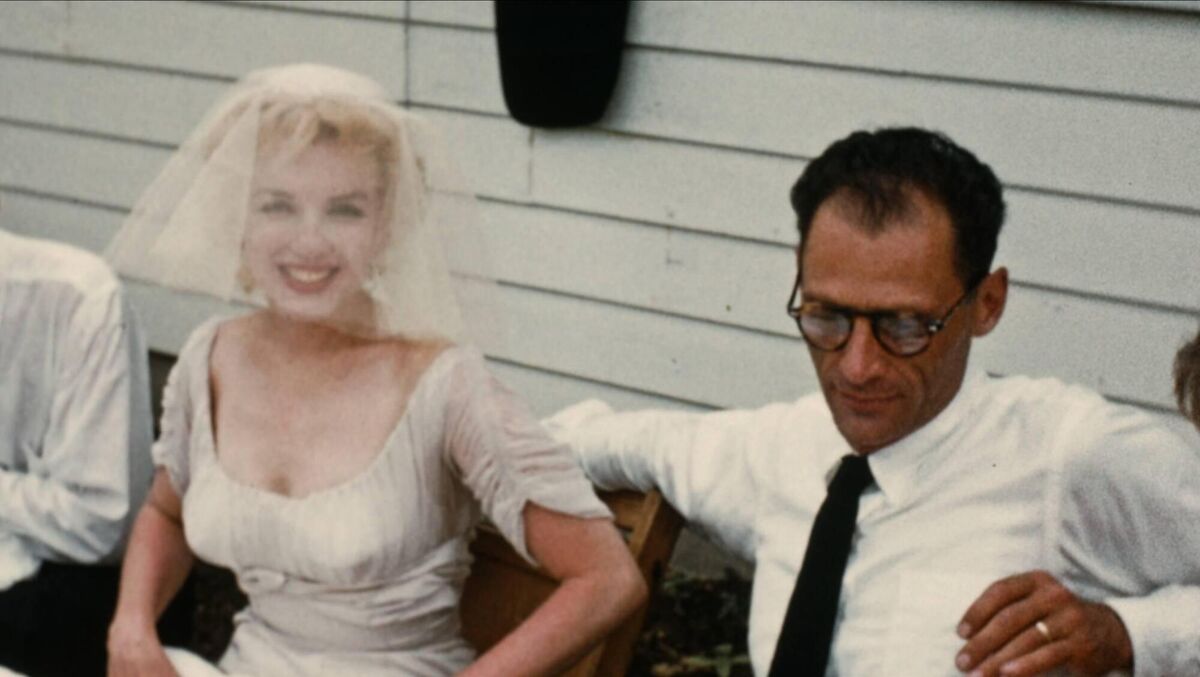
Initially, she slid effortlessly into Miller’s world, holding her own at literary lunches with writers she revered like Carson McCullers and Isak Dinesen. She met many of her literary heroes — Saul Bellow, Carl Sandburg, Truman Capote, who were said to have found her wonderful. She adored Miller, writing poetry about him as he slept. She was at a perfect point in her life, hugely successful in her own right, married to a Pulitzer-winning literary giant. At the height of her powers.
Yet the trauma and displacement she’d suffered as a child, plus the enduring lack of understanding around mental health in the mid-20th century, meant that she was terminally insecure and dysregulated while simultaneously being the most famous and desired movie star in the world.
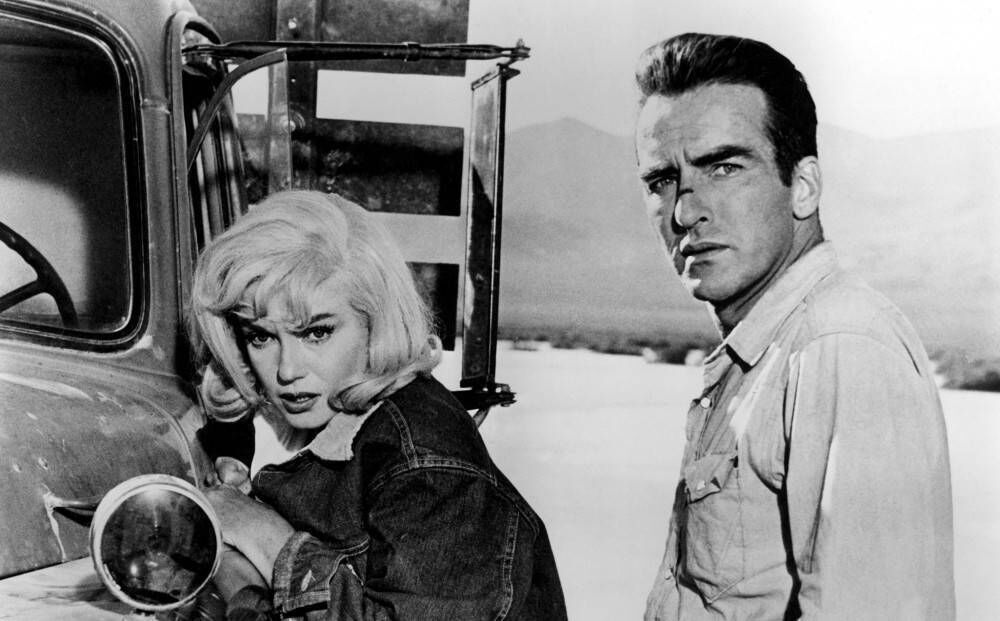
Her ill mental health contributed to her relationship with Miller falling apart by the end of 1960. Her last completed film — The Misfits, for which Miller wrote the screenplay from one of his short stories — prompted the end of their relationship. On set in the Nevada desert, she struggled hugely — from addiction, insomnia, endometriosis — while he met and fell in love with someone working on the film, the Austrian photographer Inge Morath. Miller and Morath married in 1962 — they had two children, Daniel and Rebecca. Daniel, who had Down syndrome, was institutionalised almost immediately, and kept secret throughout Miller’s life.
In 2010, an archive of Marilyn’s private letters, poems, and diary entries was published as , giving an unfiltered insight into her psyche. A persistent theme was loneliness: “I think I am very lonely — my mind jumps. I see myself in the mirror now, brow furrowed — if I lean close I’ll see — what I don’t want to know — tension, sadness, disappointment, my eyes dulled, cheeks flushed with capillaries that look like rivers on maps — hair lying like snakes. The mouth makes me the saddest, next to my dead eyes…”
Perhaps the person who exerted the most influence over her was Strasberg, who inherited her archive of personal effects after her death — after his own death in 1982, his third wife sold the archive, which is how the Fragments book came about.
Marilyn began classes with Strasberg in 1955, after the director Elia Kazan encouraged her to do so. Strasberg’s Actors Studio was the go-to place for the most prominent actors of the day: Marlon Brando, James Dean, Montgomery Clift, Dennis Hopper, Paul Newman, Anne Bancroft, Shelley Winters, Sidney Poitier, and Joanne Woodward all trained with him.
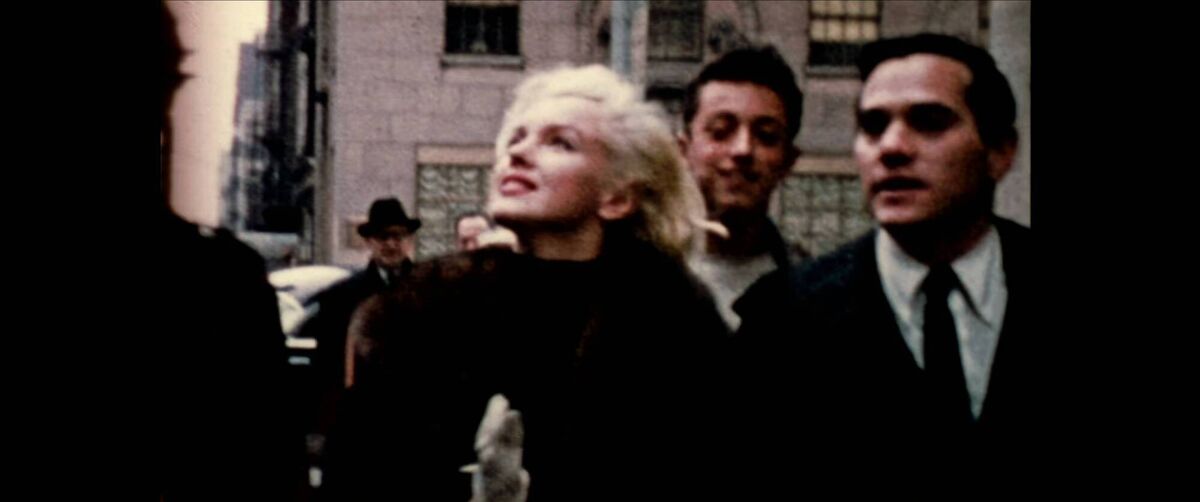
If you wanted to work with Strasberg, undergoing psychoanalysis was a requirement. This was something also encouraged by Kazan — during their affair, he had witnessed Marilyn’s trauma firsthand. As did Paula Strasberg, Lee Strasberg’s second wife, to whom Marilyn wrote: “I wish I knew why I am so anguished. I think maybe I’m crazy like all the other members of my family were, when I was sick, I was sure I was.”
For Marilyn, psychoanalysis could be a brutal process. She was further brutalised — and physically manhandled — during a three-day stay in a psych ward in early 1961. Soon after she and Miller separated, she had checked into a New York facility in an attempt to rest and recover from the burnout she experienced making . Instead, she found herself locked in a padded cell, underwent enforced baths, had non-consensual physical examinations, and was not allowed to leave of her own volition.
Strasberg couldn’t get her out as he wasn’t a legal family member — it was her second husband, Joe DiMaggio, who came to the rescue. They enjoyed a short-lived reconciliation. In late 1961, Marilyn met the philandering US president John F Kennedy, with whom she allegedly had an affair.
She began filming her last movie, , in April 1962. Outtakes from the film showed her emerging nude from a pool, glorious and goddess-like. The film was never finished, however — she was fired for her chronic inability to turn up on time, or sometimes to turn up at all.
On August 5, she was found dead. We are still arguing over whether she accidentally overdosed, deliberately overdosed, or was deliberately overdosed by a third party. Those who knew her the best, like Strasberg, insisted she was not suicidal. At her funeral, he spoke about how, “in her eyes and mine, her career was just beginning. The dream of her talent, which she had nurtured as a child, was not a mirage”.
Six and a half decades later, the lucrative Marilyn industry grinds on — books, films, documentaries, series, songs, exhibitions, promotions, commemorations. Articles like this one. You can’t help but wonder — what would she think?
CONNECT WITH US TODAY



Be the first to know the latest news and updates