Life Hack: What are flour mites, are they dangerous, and how to prevent them?
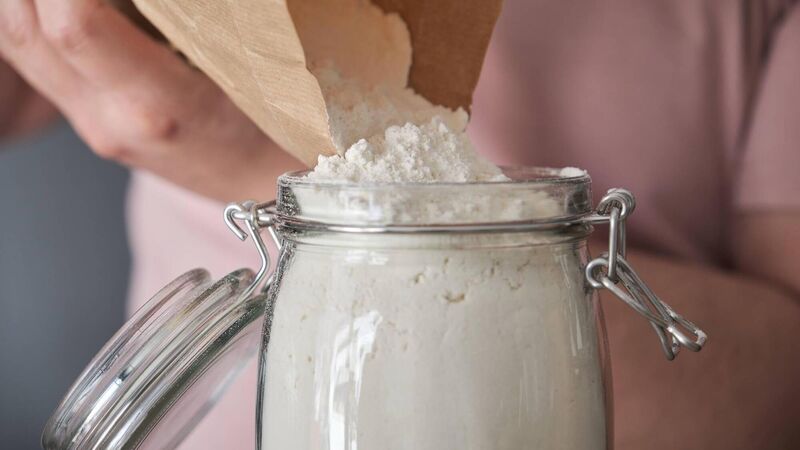
Storing flour in clean airtight containers is one way to prevent a flour mite problem. Picture: iStock
From time to time, someone I know mentions brands of flour she likes and, more passionately, brands she does not like.
It has nothing to do with the price or perceived quality of the flour and everything to do with the "creepy crawlies" she says she finds upon opening some brands of flour, but not in others. I really hope she’s not reading this today because the truth is those tiny bugs are probably in every bag of flour on the supermarket shelf, regardless of which brand name is on the label.
To be more accurate, it’s typically their eggs that make their way into the finished product, and, in the right environment (like a warm kitchen), they can hatch and reproduce. That’s right, flour mites are just as likely to be multiplying in your pricier bags of flour as they are in an own-brand bag.
Here’s everything you need to know about flour mites, including how to prevent them.

Flour mites do not bite, sting or poison humans, so they are unlikely to cause harm when they come into contact with people. However, there is a chance they could spread fungal spores and cause mould, which could make someone ill after consumption.
Mite allergies can also cause itching and, in very rare cases, cause throat swelling that can make breathing more difficult. If this happens, call a doctor immediately. If you eat something made with flour you later realise has a mite problem, you are unlikely to feel any ill effects.
After cooking processes like baking, the flour — and any organic matter it contains — will generally be safe to eat, but this does not mean you should bake up a storm with the whole bag. If you find mites in your flour, dispose of it immediately and wash any affected surfaces, such as a shelf or a storage container.
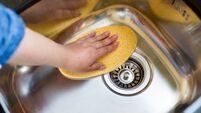
Clean the area with soapy water, making sure to get into cupboard corners and other tight spaces.
Pesticides should only be handled by a professional if all other actions have failed to get rid of the mites, as the chemicals in these can be very dangerous to use around food supplies.
To prevent the problem from happening altogether, one very easy tip is to freeze produce like flour for a few days as soon as you bring it home. This will kill any flour mites that may be present and prevent eggs from hatching. You could also add a few bay leaves to your wheat products to deter the mites.
You can then store the products in clean airtight containers — the benefit of this is that even if a few mites survive, they are trapped in the container and cannot get into your wider food supply.


CONNECT WITH US TODAY



Be the first to know the latest news and updates