Life Hack: How to clean stainless steel sinks, pots, and cutlery
You're bound to have plenty of stainless steel items in the kitchen- here's how to keep them at their best. 
Life Hack: How to clean stainless steel sinks, pots, and cutlery

Cleaning a stainless steel sink often needs little more than hot water and soap of your choice. Drying the sink after cleaning is key to a successful finish.

Stainless steel can probably be found in every home in Ireland. This highly durable material is made of iron, carbon, chromium and other elements, and resists corrosion. 

It is well known for its low maintenance and hygiene, so it’s found everywhere from surgical theatres to construction sites, and, of course, in our kitchens. 

While easy to clean day-to-day, stainless steel items found in the home, like stainless steel pots, sinks, and cutlery, may need some extra attention from time to time.

Sink

So much housework takes place around the sink, from washing dishes to draining water when cooking and more. It’s unsurprising that it’s an area we like to — and need to — keep clean and hygienic.

Personally, even if the rest of my kitchen is cluttered and covered in crumbs, a shiny, clean sink makes me feel like I’m on top of things.

Stainless steel sinks are a popular choice in many homes and typically weather most of what we throw at them.

Personally, even if the rest of my kitchen is cluttered and covered in crumbs, a shiny, clean sink makes me feel like I’m on top of things.

However, they can start to look dull and dirty over time.

Luckily, you rarely need to deep clean these sinks: everyday cleaning will nip bacteria growth in the bud, keep surfaces dirt and fingerprint free, and prevent limescale build-up.

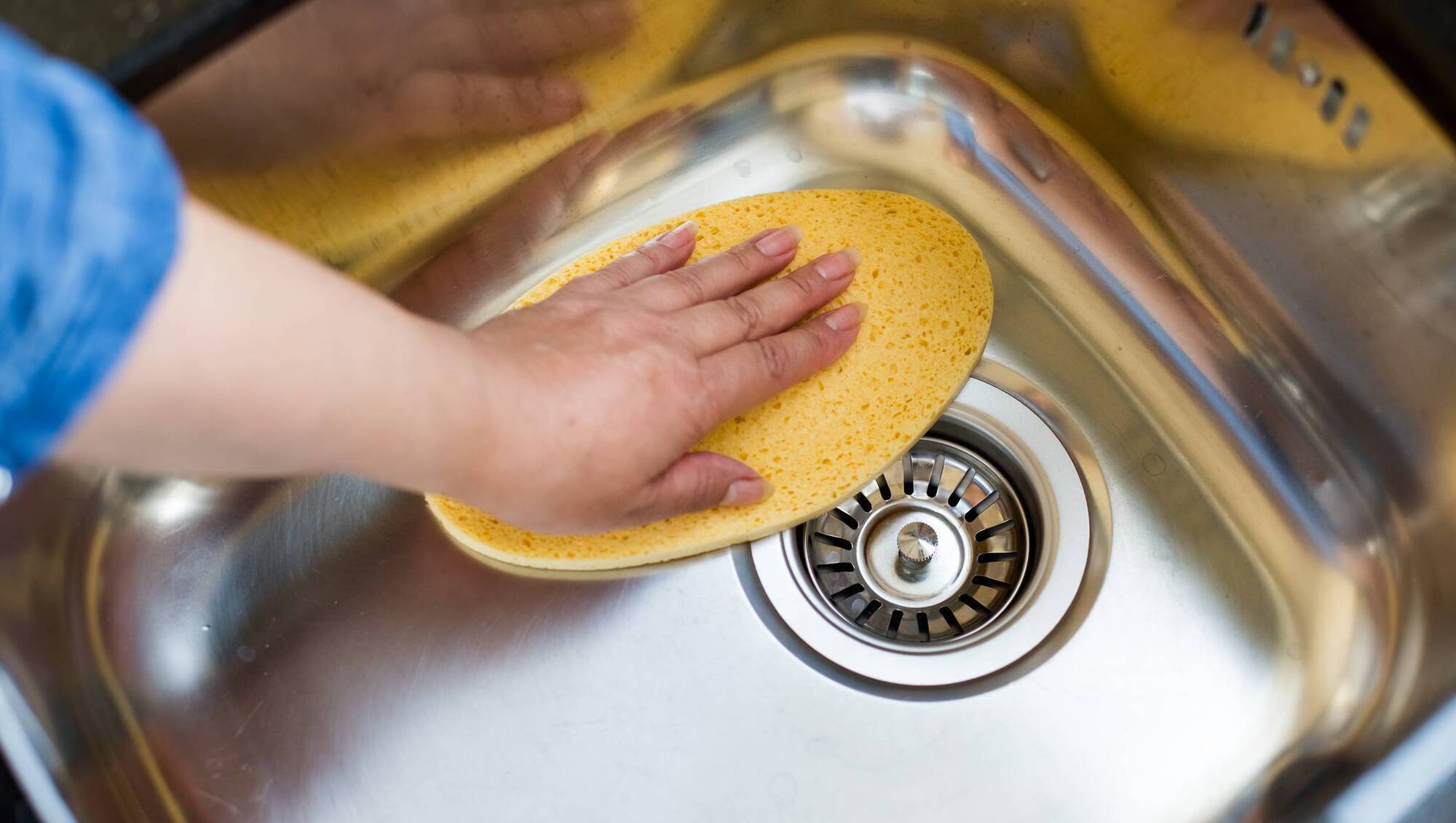
Cleaning a stainless steel sink can be done with just hot water and a soap of your choice. Use a soft cloth to wash the sink before rinsing the area with clean water. 

A key step after this is to dry the surface with a cloth immediately to prevent water from leaving milky-looking deposits while drying, particularly if you live in an area with hard water.

If you have stubborn stains on the stainless steel, you can use a cream cleaner like Cif. Apply it with a microfibre cloth and let it sit for five minutes before rinsing it away with water and wiping the surface dry with another microfibre cloth.

Pots and pans

Stainless steel is a very popular material for cookware, like pots and pans. It’s a long-lasting option, so ensuring it is cleaned correctly will keep it looking shiny and new for longer.

You can wash stainless steel items in your dishwasher, but unsurprisingly, handwashing will give better results in the long term. Before you even start cleaning, make sure your pot has cooled to room temperature, as hot pans can crack when suddenly submerged in cooler water. 

Once cool, remove any food residue as soon as possible. Leaving it to sit on the surface for too long can cake it in and make it harder to remove, risking damage to the steel surface.

Hot water mixed with your preferred washing-up liquid is key for scrubbing away dirt and grime with a soft brush or sponge. 

For stuck-on food stains, soak the pot or pan by filling it with warm soapy water. For more set-in stains, you can even boil this mixture on the hob. Gently scrub as above once the residue has softened to remove it.

Once this has been removed, rinse with clean water and dry immediately to prevent water spots. If you see water spots developing, wipe them with vinegar or lemon juice to remove them.

Cutlery

Cutlery can be affected by dullness, water spots and other blemishes, even when made with stainless steel.

To restore dull stainless steel cutlery, line your sink with tin foil, ensuring the shinier side faces up. Spread your cutlery out on the foil. Sprinkle baking soda/bicarbonate of soda over them and add a quarter of a cup of white vinegar. 

This combination will fizz and bubble, helping to dislodge dirt and grime. When the reaction finishes and the bubbling stops, pour boiling water into the sink and let the cutlery soak for a few minutes.

Hand wash gently with washing up liquid and dry thoroughly.

You’ll notice afterwards that the tin foil that’s been sitting at the end of the sink now looks dull and dirty. This is because there was an electrolytic reaction with it during the process that transfers oxidised tarnish from the stainless steel cutlery to the foil.

x

More in this section

Cookie Policy Privacy Policy Brand Safety FAQ Help Contact Us Terms and Conditions

© Examiner Echo Group Limited