Nicola Keating: 'My husband was a binge gambler for 17 years. Each time I forgave him'

For 17 years, Dublin mother-of-three Nicola Keating lived with a problem gambler — until one day came a realisation that propelled her to say ‘stop’. She tells Helen O’Callaghan about that and other turning points in her life with her husband, a man she loves dearly
Nicola Keating: 'My husband was a binge gambler for 17 years. Each time I forgave him'

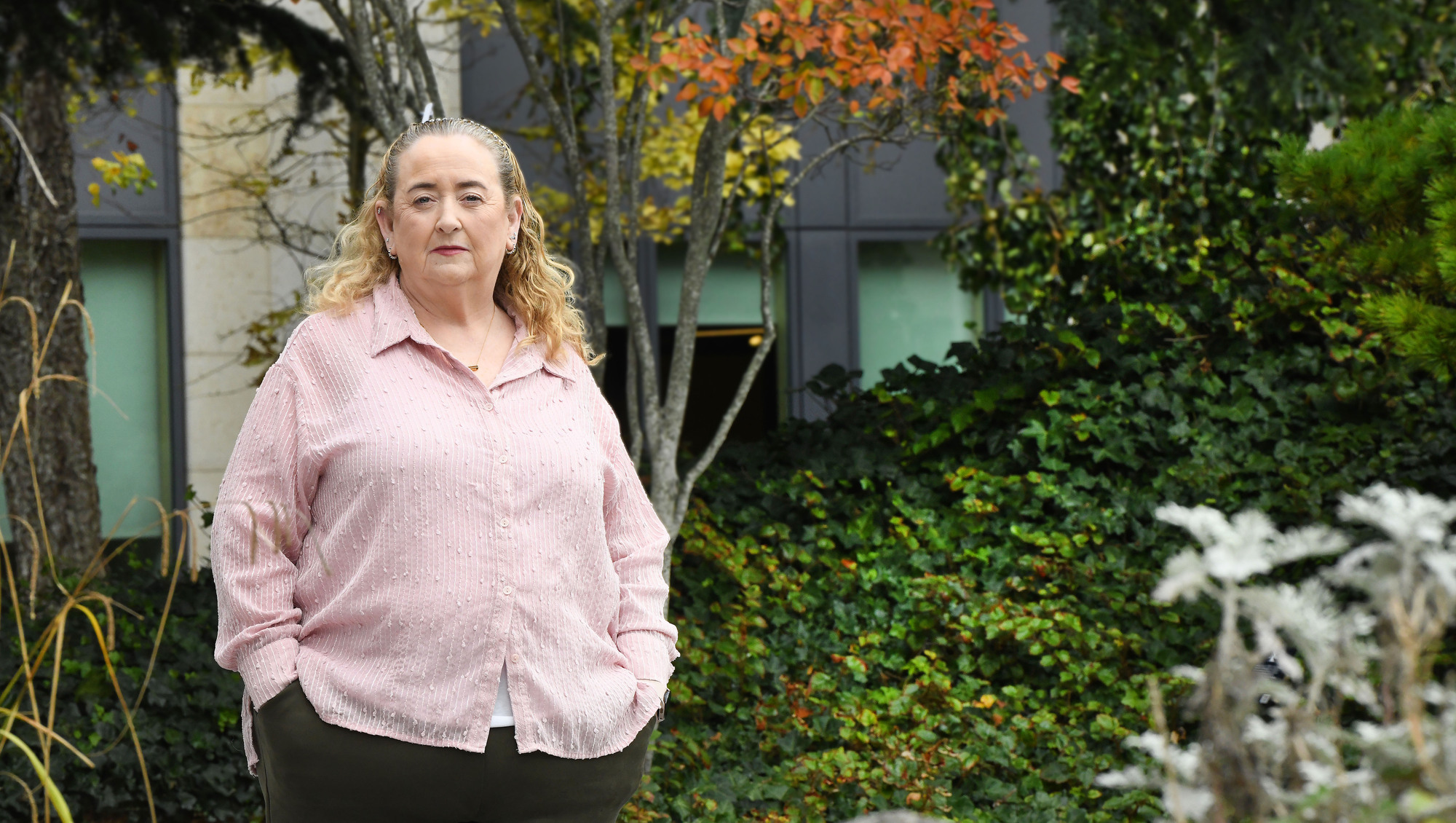
Nicola Keating: 'I did it through counselling and after-care treatment in the Rutland Centre.' Picture: Moya Nolan
My husband was a binge gambler. Seventeen years of it I went through. We’re together 33 years now.

There were periods where he wouldn’t gamble for weeks, months. Then, all of a sudden, one big mad bender.

Each time I forgave him. I let him back into the house. He’d show us the man I’d fallen in love with, the man I loved dearly. He was an amazing father to our three children when he was present. I wanted to believe him because I wanted the good times back.

But I was always living on the edge. I didn’t let the children upset him, I didn’t create an argument, I didn’t tell him we need to pay a bill.

I was always focused on what a trigger could be, sleeping with money under my pillow, always on guard. The turning point? In a counsellor’s room 19 years ago, the week before Christmas.

I’d always thought I’d never survive without him, emotionally, financially. The counsellor said something, and I just went 'oh my God! I’ve already been doing everything on my own. Raising the kids on my own, paying the bills — I’ve Christmas looked after already'.

Like something came over me then ... a peace, no anger or resentment. Like the fight was gone and I surrendered. An over-whelming sense of relief.

A week before Christmas, I didn’t want to upset the kids. How would I manage Christmas on my own? But also I had made my decision: There wasn’t going to be life with him anymore.

It was about me giving up, saying: “I can’t save him, I need to save me.”

Standing in our bedroom when he walked in, I looked at him and just knew he’d been gambling again. I didn’t shout. I said: “I’ve no doubt I love you. I’ve no doubt you love me, but we can’t do this anymore — you’re going to have to leave, I can’t do it.” I wasn’t crying. And he looked at me, said: “Ok.”

He says he realised for the first time in all those years I meant it.

He left without a fight — also it suited him because he was gambling at the time. The hall door closed, I phoned my sister and asked could I spend Christmas with them?

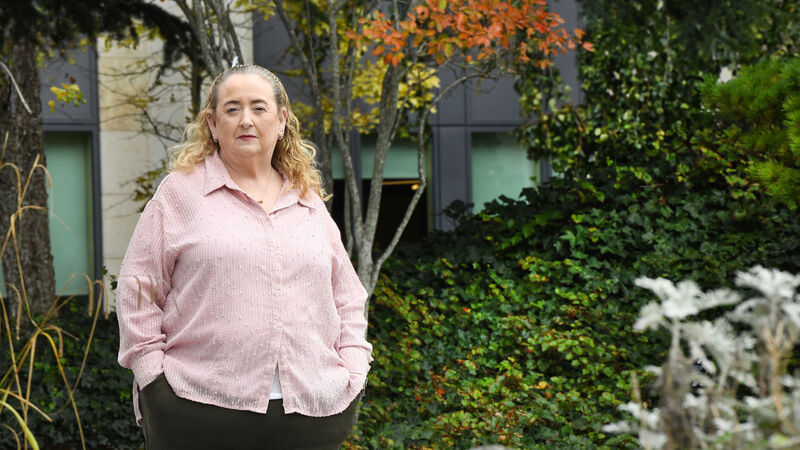
Nicola Keating: 'I was always living on the edge. I didn’t let the children upset him, I didn’t create an argument, I didn’t tell him we need to pay a bill. I was always focused on what a trigger could be, sleeping with money under my pillow, always on guard.' Picture: Marc O'Sullivan

New Year’s Eve was a low point.

My family wanted me to spend it with them. But I needed to learn how to do this: Be alone, at home, with the kids. Midnight came, everybody ringing everybody, I was looking out the bedroom window, the fireworks were going off.

I felt despair over how much debt I was in. I didn’t know whether I’d be standing there the following year. I had to start the process of declaring bankruptcy — we were going to lose our home.

Waking up New Year’s Day: “Oh, you survived New Year’s Eve, you can do this.” And I got through New Year’s Day: “Oh, you’ve done it again.” And so on each day.

And each day I opened the bills and didn’t ignore them anymore, I went to MABS and I stood in front of judges. My brother-in-law gave good advice: “Just turn up to all the court dates, the judge will see in your favour that you’re trying.”

March/April, the Rutland Centre called. He had an assessment coming up, would I attend? I said no. I’d kept his health insurance going — I gave them the number.

 Nicola Keating: 'I was always focused on what a trigger could be, sleeping with money under my pillow, always on guard.' Picture: Moya Nolan
Nicola Keating: 'I was always focused on what a trigger could be, sleeping with money under my pillow, always on guard.' Picture: Moya Nolan

Curiosity got the better of me — I ended up attending with him.

When he was leaving the Rutland Centre after 30 days, the counsellor asked was there a future for us.

I made an agreement: I’d go into after-care at the Rutland and he’d
attend his — and he could come home to live in the box room.

He was two years free of a bet. One morning, seven missed calls on my phone from him. My mind didn’t go to gambling but to “someone’s dead”.

I rang back and kept getting voicemail. My son tracked him to a casino. My world turned upside down. I drove to the casino.

I felt this incredible anger, I picked up a chair. One of the saddest parts: This raving lunatic of a woman hitting and screaming, striking the machine, hitting him as well, and not one person raised their head from their machines.

Following him home in my car, I wanted to drive off the road. I wanted to die. The betrayal I felt, how stupid, that he’d done it again.

I didn’t think we’d come back from that.

 Nicola Keating: 'There were periods where he wouldn’t gamble for weeks, months. Then, all of a sudden, one big mad bender.' Picture: Moya Nolan
Nicola Keating: 'There were periods where he wouldn’t gamble for weeks, months. Then, all of a sudden, one big mad bender.' Picture: Moya Nolan

He went into a relapse group at the Rutland Centre. I went back into after-care. Three weeks in, I joined his group. There was one session — him saying how wonderful life was, me openly disagreeing. 

He couldn’t believe I was outing him in front of everyone. He says it was from that moment he knew he had to get real, there was going to be no hiding anymore. We did that after-care group for another 18 months.

He’s been free of a bet for 16 years. We’ve a wonderful life together, we work on it…

That moment in the counselling room was my turning point — a new start for me. I’d got lost in those 17 years. I had to find out who I was, learn how to love me. I did it through counselling and after-care treatment in the Rutland Centre.

  • Nicola Keating’s experience features in Gambling Care’s podcast series. Gambling Care provides advice, advocacy, and referrals to people at all stages of gambling addiction.

More in this section

Lifestyle

Newsletter

The best food, health, entertainment and lifestyle content from the Irish Examiner, direct to your inbox.

Cookie Policy Privacy Policy Brand Safety FAQ Help Contact Us Terms and Conditions

© Examiner Echo Group Limited