Caitríona Redmond: How online influencers have become salespeople
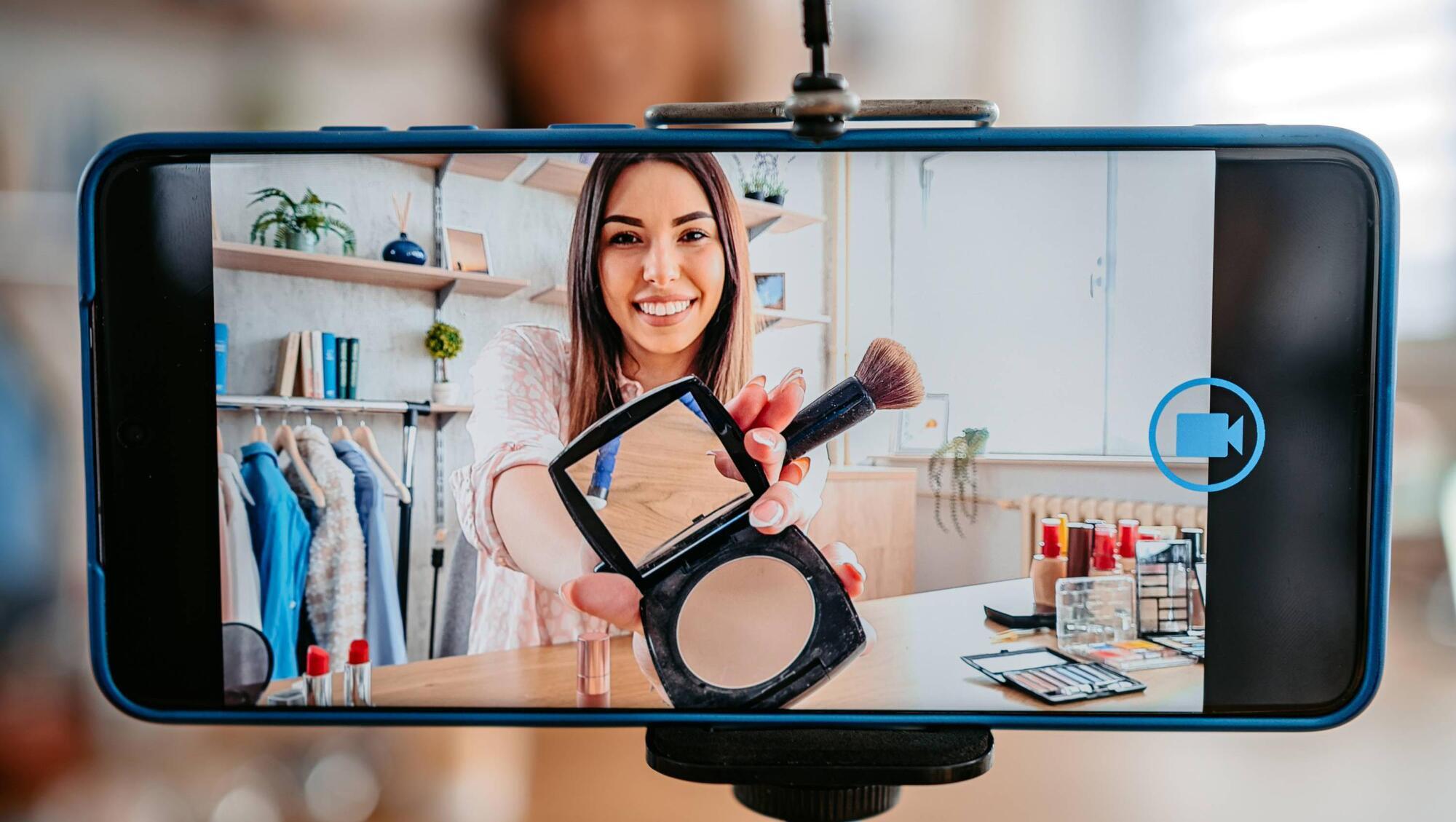
What is an influencer? In social media terms it’s a person who can influence a follower to buy a product or a service that they recommend online.

If you’re feeling like social media is the Wild West when it comes to influencers advertising and schilling their wares, you’re not alone.
As soon as TikTok launched the shop facility in Ireland, there were water bottles and phone holders for cars across my feed like a rash.
That drive to sell products and a chance to earn money is very attractive for anybody with a social media presence.
What is an influencer? In social media terms it’s a person who can influence a follower to buy a product or a service that they recommend online.
This role can be extremely profitable depending on the audience and some may argue that this is a new type of job that we didn’t have a decade ago.
Influencing others to buy products or services is not a new job. It’s the very role of a sales and marketing team. An influencer builds a relationship with their followers, who then trust their advice and recommendations.
Done right, this can translate into millions of Euros worth of sales for the businesses who engage a social media star, and bumper earnings for the influencer themselves.
It’s not just people who have hundreds of thousands of followers online who can do well out of these arrangements either, depending on how engaged their audience are, somebody with less than ten thousand followers could still get strong earnings. This is called micro-influencing.
Last week came the news that the Competition and Consumer Protection Commission (CCPC) has signed a data sharing agreement with the Advertising Standards Authority (ASA).
They said that this move would enhance regulatory oversight of social media platforms. It sounds full of jargon and because, from time to time, I may receive a press sample or even have some sponsored content on my social media accounts, I happen to have more knowledge than most of what this means.
Considering I can barely influence my kids to eat their greens at times, I wouldn’t call myself an influencer. Still, I have been able to use my small social media following for good.
In the past month, I’ve received several messages from families that have benefitted from my experience with the “Warmer Homes Scheme” grant from the Sustainable Energy Authority of Ireland (SEAI).
As I progressed through my application for the grant, which is free for families in receipt of Domiciliary Care Allowance in Ireland, I shared how I was getting on using my social media accounts.
This prompted several others to apply, and their homes are in the process of being insulated as a result.
This is the kind of influence I can definitely get behind.
The CCPC want to start cracking down on the regulation of influencers because items or services they recommend may represent an advertisement.
For example, they could be selling items from their own business, and if the poster benefits from sharing items from their shop, they must clearly mark their content as #AD.
There are several Irish influencers who have breached these rules in the past year, and up until now, the strongest sanction from the ASA is ‘name and shame’. They also instruct the influencer not to make an advertisement in this format without disclosing again.
The Consumer Protection Act 2007 bans certain practices that are deemed to be misleading or unfair to consumers. They say that influencers may fall under the definition of a ‘trader’, whether they act for their own businesses or on behalf of brands.
These types of undisclosed advertisements are in breach of the Act. The CCPC has the power under the Act to deploy enforcement tools that include fines, prohibition orders, and even prosecution.
This gives them much stronger powers compared to the ASA when it comes to regulating influencers.
The relatively new www.adstandards.ie website now has a function where consumers can report a social media influencer for not disclosing a commercial relationship in their posts, reels, stories, and tiktoks.
Now that the ASA and the CCPC have signed a data-sharing arrangement, the Competition and Consumer Protection Commission can investigate potential breaches of the law.
In the future, we may see fewer influencers receiving the ‘name and shame’ treatment and more being prosecuted to protect Irish consumers.
The all-important trust factor that motivates followers to buy something on the recommendation of a social media user can only be benefited by disclosing upfront whether something is an ad, has been given for free, or has been given in return for an endorsement.
Ultimately, transparency benefits everyone. After all, if you are shown a photo or video of ‘the next big thing’ you want to know the influencer’s genuine opinion, and if it has been coloured by a payment for their social media space or followers.
The more we trust someone, the more we are likely to act on their recommendation. I like to think it’s a win-win for both the influencer and the businesses that use their services, never mind us consumers who watch and enjoy their content online.
This, combined with a crackdown on the part of the Revenue Commissioners, will make the business of influencing more equitable.
I managed to use my Mastercard to bag some CMAT tickets for next year, 24 hours in advance of the regular tickets being released.
Visit www.mastercard.ie to register your credit card and receive “priceless” discounts for experiences at home and abroad and presales ticket access for top concerts and events.
You can also earn discounts and cashback on select purchases.
The Dublin Festival of History is an annual free festival taking place between 26 September – 12 October.
Tickets for many events must be booked in advance, although they are free.
Pick from a visit to Liberty Hall, to a chat about coddle, gur cake, and gorgonzola.

CONNECT WITH US TODAY



Be the first to know the latest news and updates