What is 'Wine Mom' culture and why is it damaging to women?
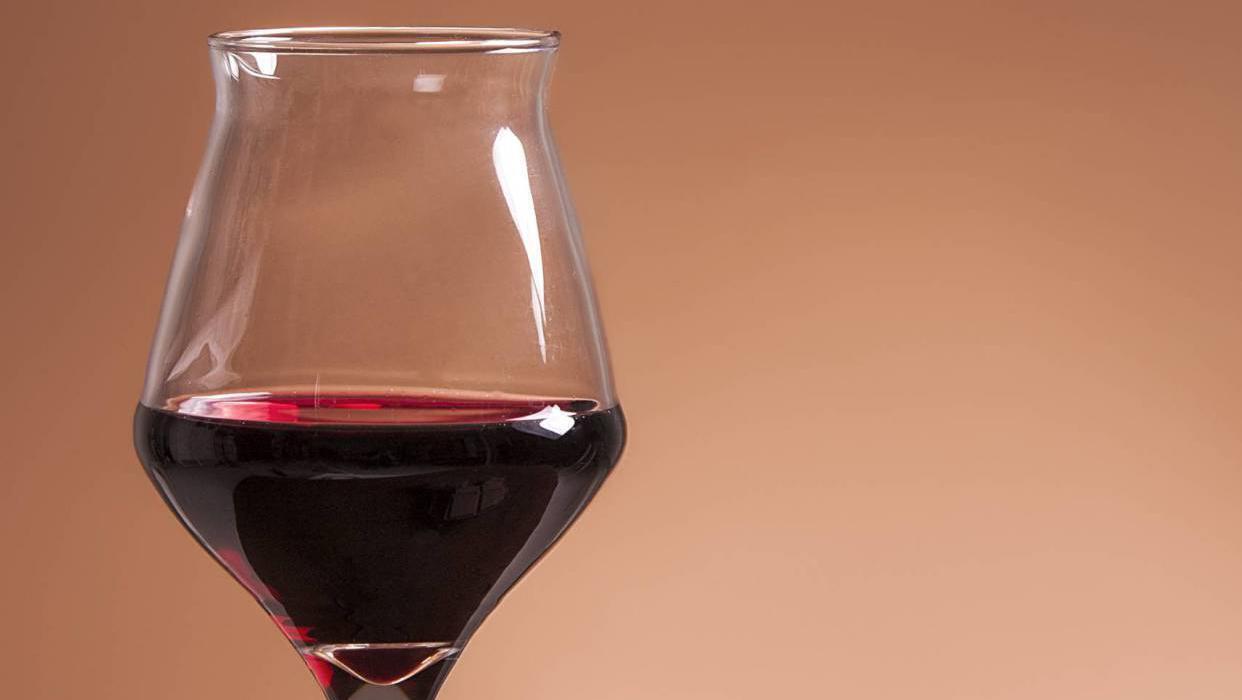
Normalising daily alcohol consumption to take the edge off parenting is damaging to women, says author Melanie Murphy.
What is 'Wine Mom' culture and why is it damaging to women?

Sober for five years now, Wine Mom culture has been Melanie Murphy’s 'biggest trigger since quitting alcohol'
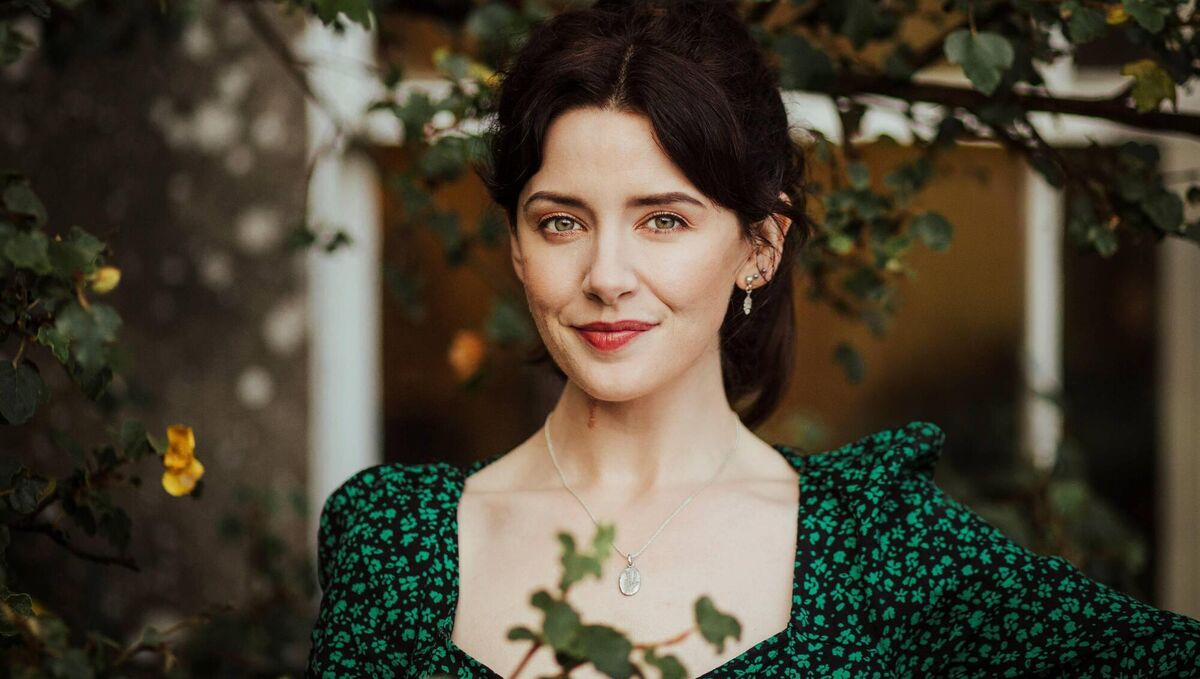
At first glance, ‘Wine Mom’ culture seems to offer a tongue-in-cheek alternative to the unrealistic standards peddled by the domestic goddesses in their immaculate all-white homes and disarmingly obedient progeny.

But normalising daily alcohol consumption to take the edge off parenting is damaging to women, says Dublin content creator and mother-of-two Melanie Murphy.

Sober for five years now, Wine Mom culture has been Melanie’s “biggest trigger since quitting alcohol.”

But what exactly is it? Is it the ‘I’m the reason Mummy drinks’ printed on a babygro? The bougie reusable pink water bottles with “Mummy’s sippy cup” in a fun sans font? The retro hip flask with a glassy-eyed 1950s housewife whose smile belies her gaping loneliness as a solo parent and wife of a philander?

“Firstly, we need to acknowledge how insidious it actually is,” says Melanie.

“On the surface, it’s this light-hearted thing, but dig a bit deeper and there are people making billions off of vulnerable, suffering women.”

It’s an uncomfortable conversation to have, says Melanie but it’s not about pointing the finger.

I don’t judge the people wearing those T-shirts. I judge the entire culture underneath it – the companies, the lack of support.

After childbirth, women are highly susceptible to empowering messages, says Melanie, and Big Alcohol and the marketing companies exploit this for their own gain.

“You’re so vulnerable after having a baby, obviously your hormones have changed. You might be injured or have physical wounds that are healing. Your sleep is extremely disrupted. You’re encouraged to breastfeed by the hospitals but that is literally a 24/7 job with a newborn. How are you supposed to make all these meals and clean the house and work?

“It’s just too much. It’s way too much. Adding drink to that – it’s just going to make everything harder. I don’t know how people even handle it if they’re also hungover.”

With over 789k followers on social media, Melanie has used her platform to speak honestly and openly about her relationship with alcohol and her difficulties with parenting.

In a video entitled The Truth About Why I Quit Alcohol, Melanie describes the dark places it took her.

“Blacking out a lot. Embarrassing myself
 I’d be falling out of taxis into ditches, vomiting on all fours
 on the bathroom screaming into the floor.”

Yet even after several years of sobriety, Melanie almost got sucked into the mentality that daily alcohol consumption is harmless and it was the toxic allure of Wine Mom culture that drew her in.

“It’s being shoved down our throats. People on social media are mounting on the pressure. If I see a big billboard of a pink alcoholic drink, that’s not going to make me feel that pressure to join in but if I see a TikTok normalising knocking back the drink when parenting gets a bit too much, and it has 20 million views, I do feel a sense of missing out on something.

“I started to think; ‘Oh, maybe that would make me feel better.’” 

Truth be told, Melanie was dangerously close to relapsing.

“I was going through a stage where I was thinking a lot about wine. I kept talking to my husband about how I missed the feeling of having one or two glasses of wine and you feel this wave of being relaxed. The more we talked about it, we realised that it wasn’t going to solve any problems. It was the root cause of the problems.” 

Melanie is not alone in being tempted by the Wine Mom life, says Dr Sheila Gilheany, CEO of Alcohol Action Ireland.

The Healthy Ireland survey 2023 is illuminating, says Gilheany, who says the narrowing of the gap of between male drinking (73%) and female drinking (67%) can be attributed in part to the increasing injection of money and efforts into gendered advertising.

“It’s not just traditional advertising. You see it in sponsorship of programmes that are predominantly watched by women.” 

So, what’s the problem? We are rational beings, capable of making our own decisions. If Meredith Grey of Grey’s Anatomy pours herself a fat glass of wine at the end of her day, it won’t impact our decision-making, right?

‘Wine Mom’ culture preys on the fact that postpartum hormones are fluctuating to deliver messages of community and empathy.

“There are various ways in which they do this,” says Gilheany.

You have pink gin, product placement, sponsorship. Because of their physiology, the same amount of alcohol has a greater impact on a woman compared with a man. That’s actually been reflected in the increase in women presenting with liver disease at younger ages.

In 2022, the Health Research Board issued a report on alcohol treatment data revealing an increase in the amount of women attending treatment for alcohol abuse over a seven-year period. The average daily intake for the women was 15 standard drinks per day.

“If you look at younger age group, half of them are female. If you’re seeing that with under 17s, you can imagine how that will translate in a few years time into more serious illnesses.” Despite legislation requiring a warning message for alcohol advertising, Gilheany believes there is still a lack of understanding of related illnesses.

“One in eight breast cancer cases are linked to alcohol. Survey data shows us only about 21% of people are aware of the alcohol cancer link, which is one of the reasons why it’s actually very important to have the labeling regulations, which are due to come into effect in 2026.” The so-called pinkifying of alcohol marketing was investigated further by Professor of Substance Use and Misuse at Glasgow Caledonian University, Carol Emslie.

“There is a direct correlation between that change in marketing with the increase of women drinking.” This marketing depicts alcohol as a way to unwind, to bond with other mothers, and to create content.

Melanie Murphy: 'If I see a TikTok normalising knocking back the drink when parenting gets a bit too much, and it has 20 million views, I do feel a sense of missing out on something.'

When Melanie became a mother for the first time, she found herself being drawn in by alcohol-related content posted from peers.

“I’ve always made YouTube videos of what’s on my mind and my algorithms were serving me so much content featuring mams, just normalising the need to get hammered at the end of a day of parenting.” While it did look tempting to Melanie, she knew sacrificing her sobriety to have a drink and be a ‘wine mom’ was more of a quick fix than a long-term solution.

“I just couldn’t believe the amount of engagement these videos were getting. I was going through a particularly challenging stage as well with a young baby and a toddler. I was working. My husband was away a lot and I was trying to juggle the kids, work, the house, the cooking, and just the mental load of life.” The marketing seemed to promise to fill the gaps in Melanie’s life.

“I was learning how to drive so I didn’t have a full licence or a support network – I felt like the wine aisle in Tesco was singing my name.” The Wine Mom life offers lonely mothers who bear the brunt of parenting a sense of community, says Dr Gilheany, through Facebook groups, hashtags and online forums.

“Mothers have minimal interaction with other adults and limited engagement with peers after having children.”

This isolation from their previous social circles and adult interactions could contribute to a loss of identity outside of being a parent.

“Advertising often appeals to a sense of female empowerment. You can have it all. You can do everything. You can drink like a man.” Gilheany points to the language used when marketing alcohol.

“You deserve it. You need it. It will help you. In fact, the absolute opposite is the case. There’s very little discussion about depression and anxiety and the role alcohol plays in that... I almost ruined the best thing in my life,” says best-selling author Melanie.

“Thankfully, my husband believed me when I told him I was committed to sorting myself out through sobriety and therapy.

“In Ireland, people are really struggling. Childcare is like a second mortgage. We need better support. It’s a really complicated problem and drink is sold to us as the solution.”

x

More in this section

Lifestyle

Newsletter

The best food, health, entertainment and lifestyle content from the Irish Examiner, direct to your inbox.

Cookie Policy Privacy Policy Brand Safety FAQ Help Contact Us Terms and Conditions

© Examiner Echo Group Limited